REVIEW · TORONTO
Old Town Toronto History Walking Tour
Book on Viator →Operated by Tour Guys · Bookable on Viator
Toronto has murders and mayors on one walk. This Old Town Toronto History Walking Tour threads together Victorian architecture and unsettling local stories, from duels and plagues to the kind of stuff that makes cities feel real. You’ll cover a lot of ground on foot, with your guide tying buildings to the people and events that shaped Toronto.
I love the easy 1 hour 30 minutes pace. You’ll get a strong orientation without burning half a day, and it’s a good way to understand what you’re looking at. I also love that the tour ends at St. Lawrence Market, so your history lesson can turn into lunch right away.
One possible drawback: the tour leaves on time, and the meeting point is in a busy downtown area. If you show up late, the guide cannot wait, so plan a little buffer.
In This Review
- Key things to know before you go
- Getting Your Bearings: A 90-Minute Old Town Toronto Intro
- Old City Hall: When Toronto Wanted to Look Like the Future
- Holy Trinity To and St. John’s Ward: Hard Times Built into the Streets
- The Commercial Heart with LED Screens and Buskers
- Mackenzie House: First Mayor, Old Walls, and Stories That Stick
- St. James Cathedral: Spiritual Power of the Wealthy
- St. Lawrence Market Finish: From History to Lunch
- Tour Style, Price, and What You’re Really Paying For
- Who This Tour Fits Best (and Who Might Want Something Else)
- Should You Book This Old Town Toronto History Tour?
- FAQ
- How long is the Old Town Toronto History Walking Tour?
- Where does the tour start and where does it end?
- Is this tour tips-based?
- What time does the tour begin?
- Is there a maximum group size?
- What ticket format do I need?
- Is the tour all on foot, and is the guide in English?
Key things to know before you go
- Tips-based format means you can pay what feels fair at the end
- Small group cap of 30 keeps the walk focused instead of chaotic
- Old City Hall to St. Lawrence Market gives you a clear start and finish plan
- Dark stories + architecture makes the history feel more human
- Food stop at the end helps you convert the tour into a real meal
- Mobile ticket keeps things simple once you arrive
Getting Your Bearings: A 90-Minute Old Town Toronto Intro
If you want a first-pass understanding of Toronto without turning it into a museum day, this is a smart length. The walk runs about 1 hour 30 minutes, so you can do it early in your trip and still have time later for neighborhoods, parks, or a second bite at the market.
What makes the tour work is the mix. Yes, you’ll see Victorian-era buildings and key downtown landmarks. But the guide also uses stories—murders, duels to the death, plagues, and other events—to explain why the city grew the way it did. That “why” matters. After you hear it, the street grid and landmark buildings start to feel like evidence, not just scenery.
I also like the way the route is structured: it flows from government and church life, to commercial streets, to older residential heritage, and then into the city’s food heart. That arc gives you a mental map of how Toronto functioned as it evolved.
Other Old Town Toronto tours we've reviewed in Toronto


Old City Hall: When Toronto Wanted to Look Like the Future
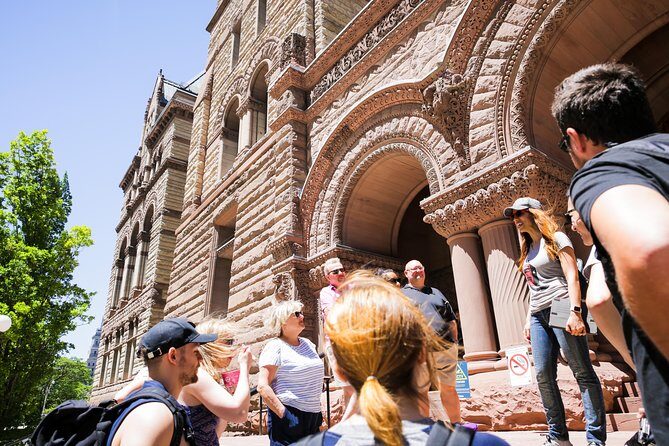
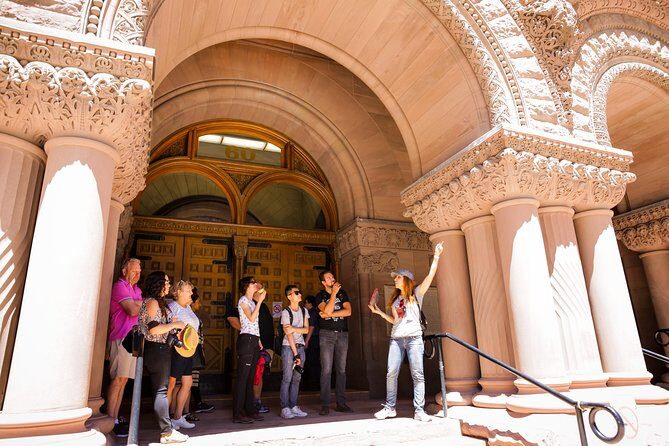
You’ll start at Old City Hall at 60 Queen St W. The building gets framed as something more than pretty stone. It reflects the practical need for a bigger city administration and also Toronto’s ambition during its Victorian growth phase.
Even if you’re not the type who reads every plaque, this is a useful starting point. Old City Hall is a signal: this is where civic power got a stage. From here, you can connect the dots as the tour moves into churches that served different parts of the city and homes tied to early leadership.
Practical tip: because this is a downtown meeting point, show up early enough to locate your guide without stress. One of the most common ways these walking tours go sideways is simple timing—finding the right person is harder than it sounds in a busy area.
Holy Trinity To and St. John’s Ward: Hard Times Built into the Streets
Next up is Holy Trinity To, completed in 1847. The guide links it to St John’s Ward, described as a slum that grew around the city of Toronto. The church is presented as a place built to serve poor residents, and later it was demolished piece by piece.
This stop adds weight to the tour’s theme: Toronto wasn’t only built by big plans and important people. It also grew through hardship—housing that wasn’t dignified, neighborhoods that got reshaped, and institutions meant to support people living with very little.
The building detail matters too. The fact that the church is 20 years older than Canada is the kind of timeline anchor that makes the broader story click. You start seeing how fast settlements turned into a city, and how social conditions moved right along with it.
The Commercial Heart with LED Screens and Buskers
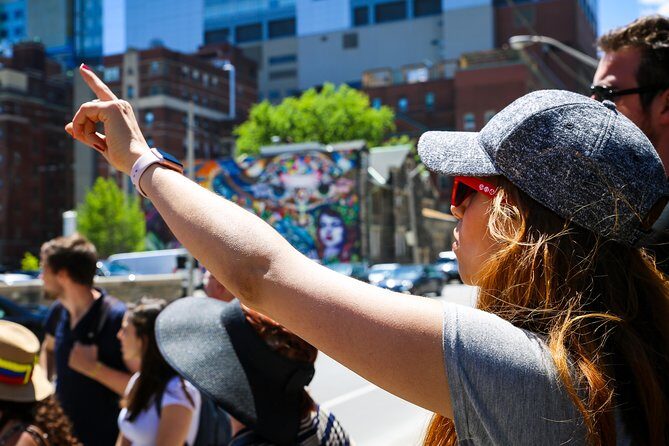
Mid-walk, you hit what’s described as Toronto’s version of Times Square. Expect big LED screens and billboards, plus the energy of buskers, people hawking goods, and all kinds of street activity.
This part isn’t just a scene change. It’s a helpful reminder that cities evolve in layers. The tour uses this stop to contrast the present-day feel of downtown with what came before, so you notice how commercial power shifts while the city’s core geography stays recognizable.
If you’re doing the tour on a louder day, downtown noise is real. One guide handled construction noise well, but it’s still smart to plan for sound. If you’re sensitive to loud environments, you may want to pick up a quick break midway on your own—like pausing for a sip of water—so you don’t miss details when the sidewalk gets crowded.
Mackenzie House: First Mayor, Old Walls, and Stories That Stick
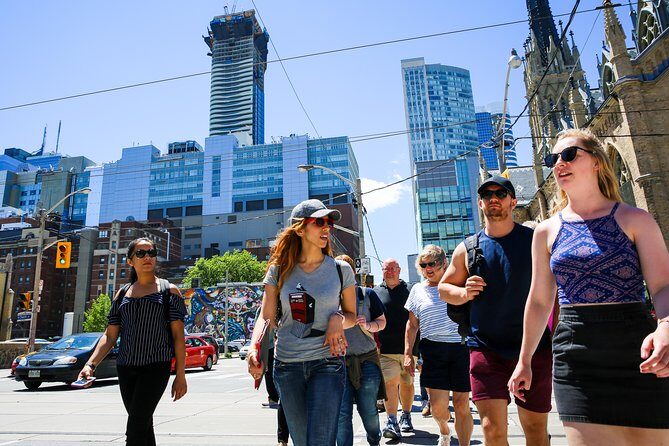
At Mackenzie House, the tour shifts from institutions to a home linked to politics and personality. The house is presented as the home of Toronto’s first mayor, with a fun detail that some people believe it might be haunted. It’s also described as one of the oldest standing houses in the area.
The value of this stop is perspective. A home like this isn’t only about architecture—it’s about lived history. It gives you a more personal angle on how early city leadership worked and how people occupied buildings long before downtown was what it is today.
You’ll also get moments of “how it worked back then” storytelling. One guide’s segment included seeing a printing press at work, and that kind of practical detail makes early-city history feel tangible, not abstract.
Other walking tours we've reviewed in Toronto





St. James Cathedral: Spiritual Power of the Wealthy
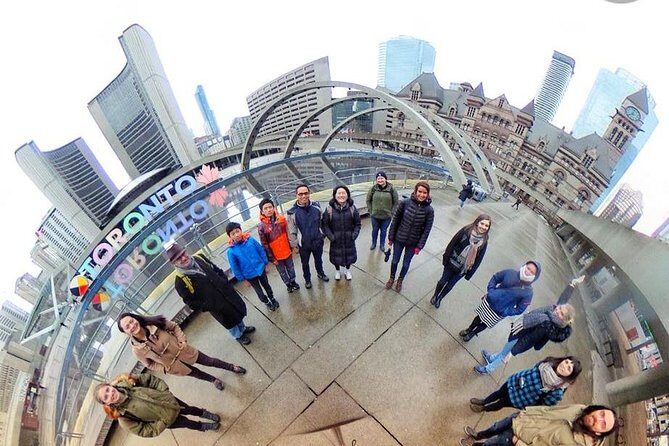
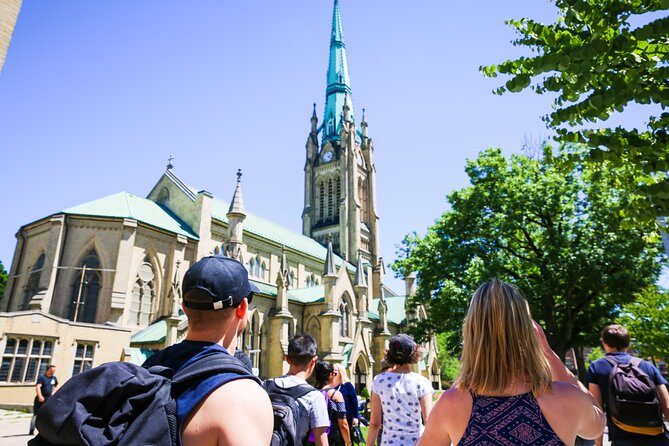
Then comes The Cathedral Church of St. James, an Anglican cathedral tied to spiritual life for the rich and powerful 100+ years ago. The current building was completed in 1853, after a massive fire.
This stop is where the tour’s architectural focus really pays off. Churches like this weren’t just places to pray; they were part of a social system. Hearing how it functioned in the era when Toronto’s elite used it helps you understand why the building’s presence still matters downtown.
It’s also a nice change of pace from the street-level hustle. If you enjoy architecture but don’t want to spend hours indoors, this is a good middle step: you get the feel of the exterior and learn what the building signaled to the city.
St. Lawrence Market Finish: From History to Lunch
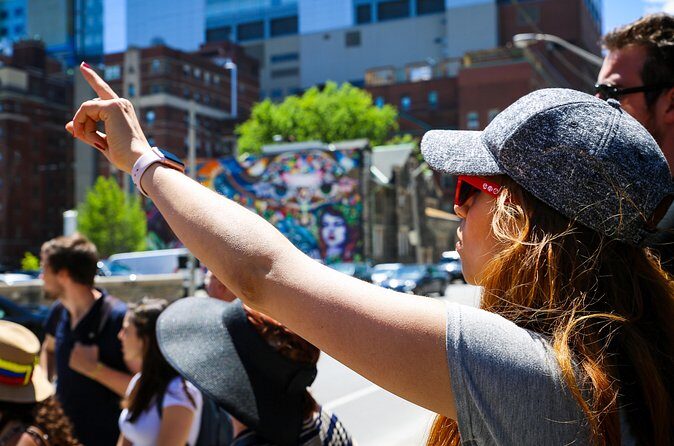
Your walk ends at St. Lawrence Market, a major payoff because you can immediately eat what you’re learning about. The market is described as having earned a top spot in National Geographic Traveller Magazine’s world-best market ranking, and it’s treated as a must-visit for anyone exploring Old Town Toronto.
Key practical note: it’s closed on Mondays and civic holidays. It’s open Tuesdays to Saturdays, so if your trip lands on a Monday, you’ll need a plan B for lunch.
The best part of this finish is that your guide typically doesn’t send you off into a food maze. You can expect recommendations of where to eat based on what you like, which makes the transition from tour to meal feel smoother.
Tour Style, Price, and What You’re Really Paying For
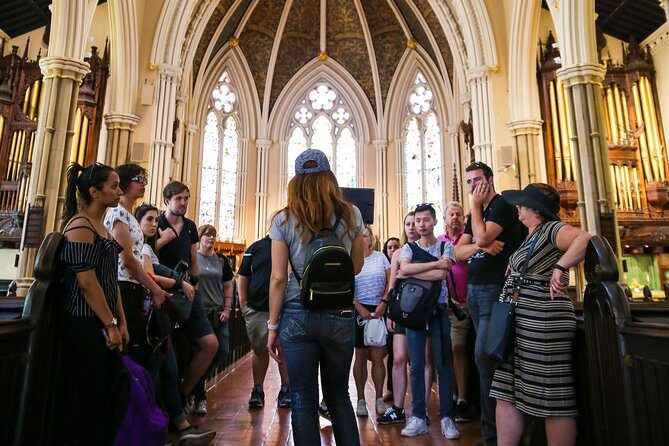
The headline price is $4.45 per person, and it’s a tips-based tour. That combination can feel almost too good to be true, but the math makes sense if you think of the ticket as the base entry and the guide as the main value. If you book this, plan to tip based on how much you enjoyed the storytelling and how well your guide answered questions.
This tour also runs with a maximum of 30 travelers, which matters more than people think. Smaller groups usually mean fewer long waits at each stop and better chances to hear the guide clearly.
English-speaking guides lead the walk, and guide style can vary. Names that have come up include Mike, Michael, David, Kieran, Michelle, Winnie, and Jennifer—and the consistent thread is that the guides are friendly and willing to answer questions, with some leaning into humor and others focusing more on details and context. One note for the sensitive reader: at least one guide’s commentary included views that touched on U.S.-Canada tensions, so if that topic bothers you, keep that in mind.
Who This Tour Fits Best (and Who Might Want Something Else)
This tour fits you best if:
- you want a fast, on-foot orientation to Old Town Toronto
- you like architecture with explanations, not just pretty buildings
- you enjoy history that includes real human drama, not only dates and kings
- you want a built-in lunch landing spot at the end
It may be less ideal if:
- you’re extremely hard-of-hearing in loud areas and don’t like busy sidewalks
- you want only light, feel-good stories (this walk includes murders, duels, and plagues in the mix)
- you’re likely to arrive late, because the guide cannot wait
Should You Book This Old Town Toronto History Tour?
Yes—if you want your first Toronto day to feel like a story you can walk through. The route has a strong arc (civic power, church life, commercial downtown, early leadership, then St. Lawrence Market), and the timing is friendly. You’re paying for an organized narrative that helps you understand the city instead of just moving through it.
My main advice before booking: check the day for St. Lawrence Market hours, and show up early enough to find the meeting point at Old City Hall without rushing. If you do that, you’ll likely leave with a better sense of where Toronto came from—and a practical plan for where to eat next.
FAQ
How long is the Old Town Toronto History Walking Tour?
It lasts about 1 hour 30 minutes.
Where does the tour start and where does it end?
It starts at Toronto Old City Hall, 60 Queen St W and ends at St. Lawrence Market.
Is this tour tips-based?
Yes, it’s tips-based, with the idea that you decide what the experience is worth at the end.
What time does the tour begin?
The start time listed is 1:00 pm.
Is there a maximum group size?
Yes, the tour has a maximum of 30 travelers.
What ticket format do I need?
You get a mobile ticket.
Is the tour all on foot, and is the guide in English?
It’s a walking tour with an English-speaking tour guide.