REVIEW · TORONTO
Brothels of Old Toronto Walking Tour
Book on GetYourGuide →Operated by BrothelsofOldToronto · Bookable on GetYourGuide
Victorian Toronto has a secret side. This Brothels of Old Toronto Walking Tour uses real locations and street-level storytelling to explain the city’s sex-work world. You’ll hear how hidden systems worked—then see why Old Toronto became infamous.
I especially love two things: it’s led by a history professor (often guides like LK or Charlotte) using long-term archival research, and it turns the streets into evidence. You’re not just getting juicy stories; you’re learning the rules, the layout, and the small signals that mattered in day-to-day life.
One consideration: this is 18+ adult history. The tour discusses sexuality and includes historical realities such as disease, assault, and violence, so it’s not for everyone.
In This Review
- Key highlights worth your time
- Brothels of Old Toronto: a scandal walk with real street evidence
- Meeting at St. James Park and getting the route right away
- A professor’s approach: research mapping meets street-level storytelling
- What you’ll do on the walk: lost streets, photographs, and artefacts
- Why this format works
- Brothel codes and rules: how secrecy was managed in public space
- Architecture talk that actually changes how you see buildings
- Why sex workers and madams were treated like essential workers
- Scandals, clients, and the spy-ring thread that made Toronto infamous
- Adult content notes: prepare your head and your heart
- Walking comfort, weather readiness, and what to bring
- Price and value: $19 for professor-led, research-heavy history
- Who this tour suits best (and who should skip it)
- Should you book this Brothels of Old Toronto walking tour?
- FAQ
- How long is the Brothels of Old Toronto walking tour?
- Where do I meet the guide?
- How much does it cost?
- Is there a live guide, and what language is it in?
- Is the tour wheelchair accessible?
- Is photography allowed?
- Is smoking allowed during the tour?
- Is the tour appropriate for children?
- Does the tour run in bad weather?
Key highlights worth your time
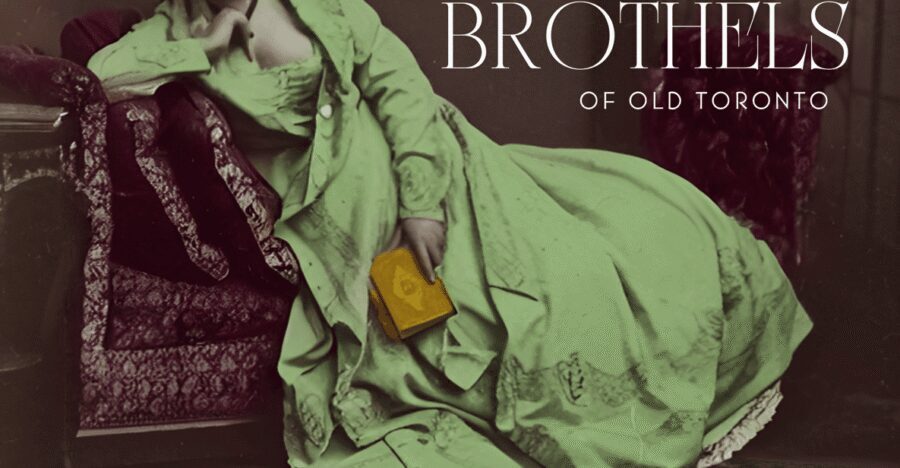
- Professor-led, research-backed storytelling based on archival work mapping 1800s brothel locations
- Secret brothel codes and rules for how places operated in Old Toronto
- Architecture + street-pattern clues that help you understand how interiors related to the neighborhood
- Fashion, interiors, and hands-on artefacts used to make the past concrete
- Scandals involving clients and power networks, including spy-ring threads
- Respectful but unflinching context about danger and limited choices, alongside moments of autonomy
Brothels of Old Toronto: a scandal walk with real street evidence
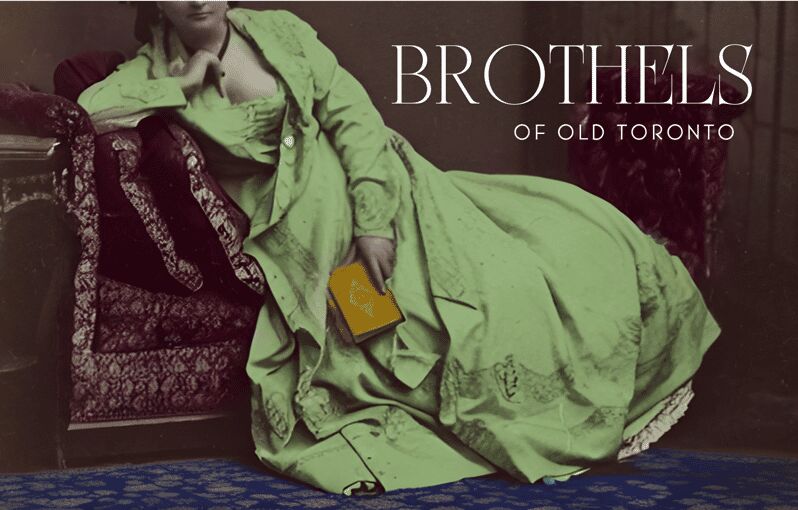
This is the kind of tour that makes you look at downtown differently on the walk back. Old Toronto’s brothels weren’t just lurid rumors—they were part of the city’s social and economic machinery. And the tour treats that machinery like a puzzle you can actually read from the sidewalk.
I like that the guide frames it as history, not shock value. You’ll move between “here’s what happened” and “here’s how we know,” using details you can see and interpret as you walk. That’s where the experience becomes memorable.
Other Old Town Toronto tours we've reviewed in Toronto

Meeting at St. James Park and getting the route right away
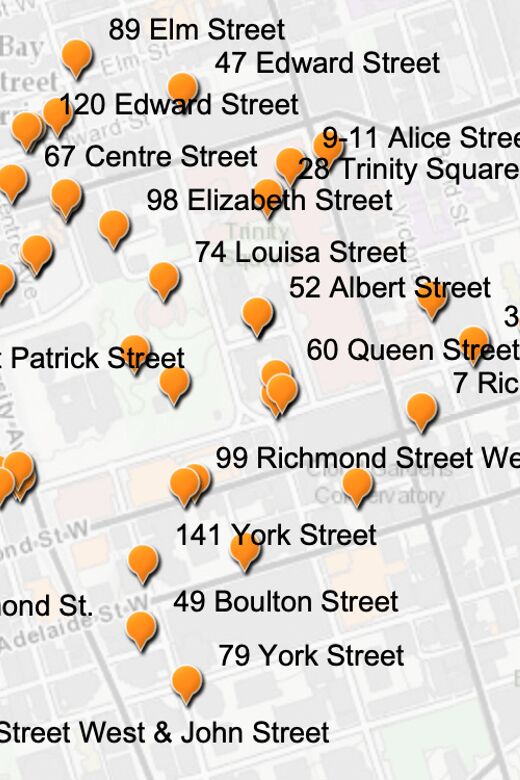
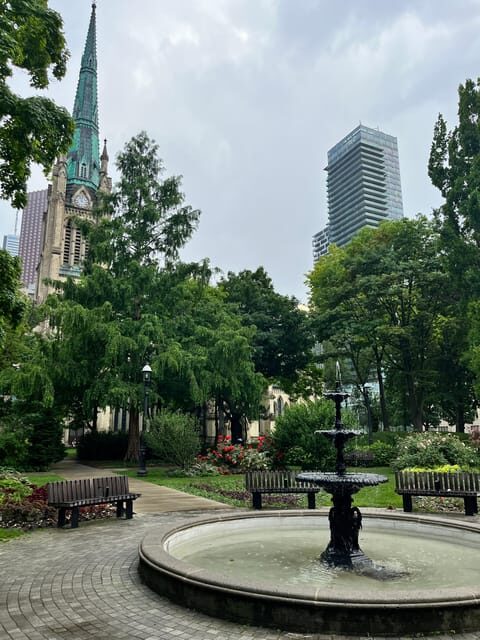
The tour begins and ends at St. James Park, at 120 King Street East, with the meeting point just north of the black swan fountain. That’s a smart choice for visitors because it anchors you in a central, easy-to-find spot before you start moving through older street alignments and overlooked corners.
From there, the rhythm is simple: you walk, you stop, you listen, and then you look again. The guide uses each stop to explain something specific—codes, building features, or a story tied to a location. If you like tours where the walking has a purpose, you’ll enjoy how the route supports the narrative.
A professor’s approach: research mapping meets street-level storytelling
One reason this tour earns such high marks is the delivery. Multiple guides mentioned by name in bookings—like LK and Charlotte—are history professors, and the tone stays focused and organized. In plain terms: the stories have structure, and questions are welcome.
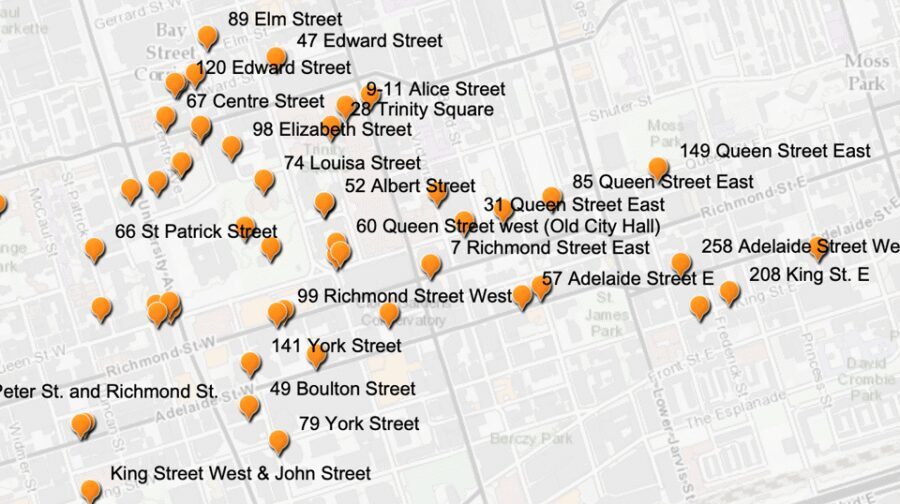
The other big selling point is the research scale. The tour is built on a decade of archival work that identified the locations of 100 brothels in 1800s Toronto. That doesn’t mean you’ll hear “a list of addresses.” It means your guide can connect patterns across neighborhoods and show how the system worked over time.
You’ll also get references you can follow up on later. Some tours include accompanying photos and detail-rich material you can quickly research if you want to go further.
What you’ll do on the walk: lost streets, photographs, and artefacts
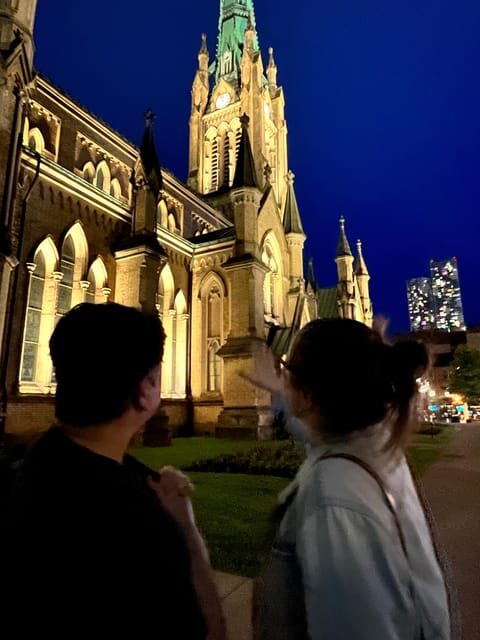
This isn’t a sit-in-a-room talk. It’s a walking tour where the environment supports the message. Your guide takes you to hidden sites in the old city and uses the route to highlight things the casual eye would miss—like how streets, entrances, and building layouts helped a business function under constant pressure.
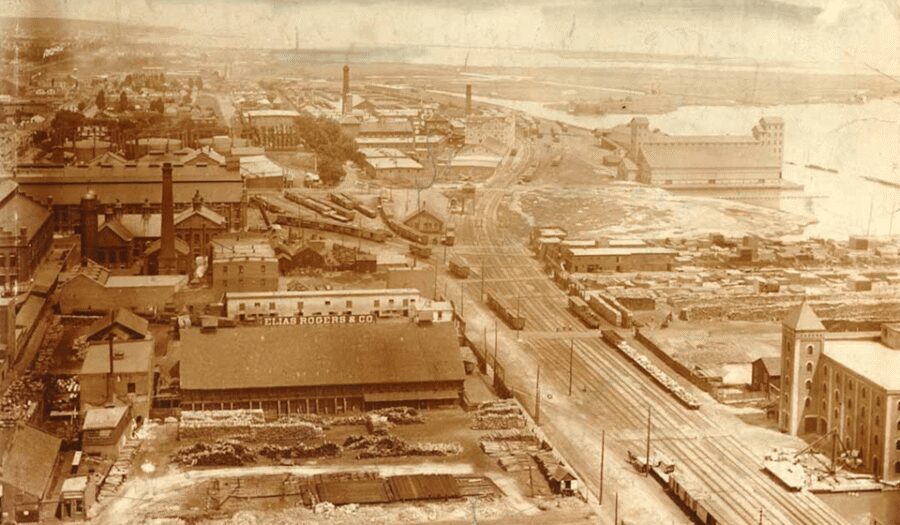
You can expect the tour to include several “hands-on” elements, including rare stories and artefacts that help make the era feel less abstract. You’ll also encounter forgotten photographs, which act like visual proof—something like a time machine for the details people usually skip.
Why this format works
A walk forces you to notice scale. Doorways, street width, sightlines, and the proximity of everyday life all matter when you’re talking about secret codes and surveillance risks. When you learn those rules while standing on the same kind of streets the people moved through, the history sticks.
Other crime & brothel history tours we've reviewed in Toronto


Brothel codes and rules: how secrecy was managed in public space
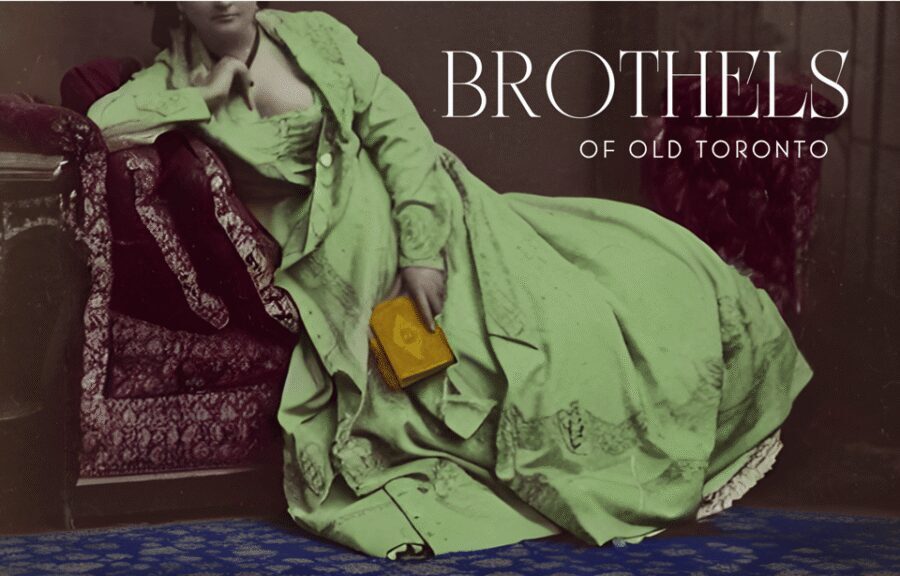
The tour promises the secret original codes and rules for running a brothel in 1800s Toronto, and that concept is bigger than it sounds. In these kinds of businesses, secrecy wasn’t just an attitude. It was a daily operating system.
As you move from stop to stop, you’ll learn what made communication possible, what boundaries mattered, and how the built environment played along. The guide also ties this to the history of fashion, so you’re not only hearing about “what happened”—you’re learning about the signals people used to understand each other.
The best part is that codes and fashion details don’t feel like trivia. They’re explained as part of how a business stayed functional while outside forces—police attention, public morality, and violent threat—were always nearby.
Architecture talk that actually changes how you see buildings
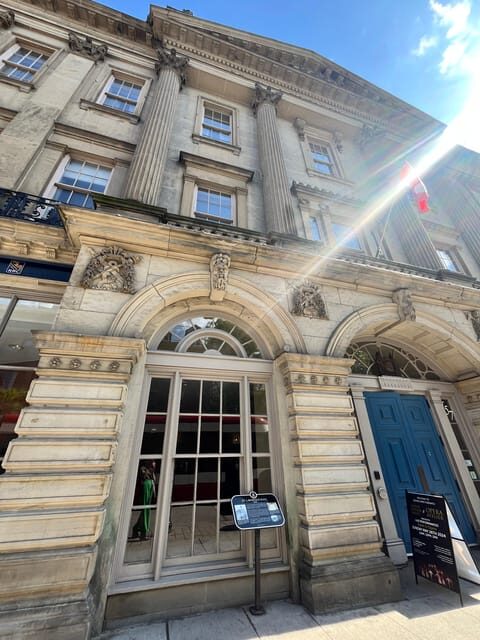
This tour uses architecture as evidence. That means you’ll be looking at facades and thinking about what could happen behind doors, what kinds of spaces were needed, and how access could be controlled.
Don’t expect floor plans on a clipboard. Expect explanations that connect street-facing clues to interior realities. It’s a practical skill, too. After this, you’ll stop assuming every doorway is just a doorway.
You’ll also learn how the brothel world intersected with “respectable” parts of society—because the city didn’t segregate itself neatly. That overlap is one reason the Old Toronto story is so uncomfortable and so important.
Why sex workers and madams were treated like essential workers
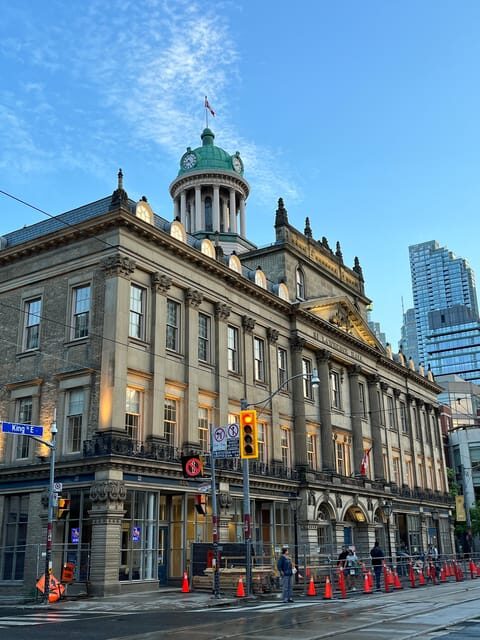
One of the strongest themes here is that sex workers and madams were not operating in a vacuum. The tour explains why they were considered essential in the way cities often label systems they benefit from but hide from public credit.
That theme matters because it flips the usual story you hear. Instead of portraying everyone as isolated victims alone, the tour shows the economic and social structure around them. You’ll hear how women earned money, how management worked, and how the surrounding world responded.
At the same time, the tour doesn’t sugarcoat the costs. Some commentary from bookings highlights that the guide takes care to acknowledge limited choices and real danger, without pretending autonomy didn’t exist.
Scandals, clients, and the spy-ring thread that made Toronto infamous
The description doesn’t shy away from the political side. You’ll learn about the clients and the scandals that made Old Toronto infamous, and you’ll hear about spy rings connected to the chaos of the era.
This is where the tour becomes more than local gossip. Scandals in that period weren’t just about morality. They were about power, access, and who could control narratives. By the time you reach the later stops, you’ll probably feel the city’s reputation tightening—how rumor, law, and social survival worked together.
Also, the guide makes it clear that “sex work” was never just a private act. It was tangled up with institutions and public attention, which is why the record shows up in police and other kinds of documentation.
Adult content notes: prepare your head and your heart
I’m going to be direct. This tour is not recommended for children and is not suitable for people under 18. The guide discusses sexuality and historical realities that included disease, assault, and violence.
So before you book, ask yourself a simple question: can you handle adult, sometimes hard material presented as historical fact? If yes, you’ll likely find the tour educational and oddly empowering—because you’re learning about women’s lives that were often erased.
If you’re sensitive to heavy topics, you might still go, but plan to take care of yourself afterward. Bring water, slow your pace, and don’t feel guilty stepping out briefly if you need a minute.
Walking comfort, weather readiness, and what to bring
The tour runs in all weather conditions, so you should dress for the day—not the brochure. One booking notes that even in heavy rain, the group stayed focused, which suggests the guide plans for visibility and safety.
Bring:
- Comfortable shoes (you’re on your feet)
- Water
- Weather-appropriate clothing
- A camera if you want photos
One rule to know: there’s no audio recording and no video recording. Photography is permitted, but audio/video isn’t. If you love taking notes or recording thoughts, stick to writing or regular photos.
For safety, the guide also keeps an eye on the group while crossing busy streets. That’s not flashy, but it’s worth mentioning because downtown walking happens fast.
Price and value: $19 for professor-led, research-heavy history
At $19 per person for about 90 minutes (the schedule can run up to around 2 hours, depending on the tour), this is strong value. Many city history tours charge much more for less depth.
What you’re paying for isn’t only storytelling. You’re paying for:
- A professor-led approach
- Years of archival research behind the claims
- The experience of seeing how codes and architecture connect to real locations
- The chance to ask questions and get thoughtful answers
And the price point helps locals and visitors both. One local booking described it as a way to get a new view of familiar streets, which is exactly what a good walking tour should do.
Who this tour suits best (and who should skip it)
This tour fits best if you like:
- Toronto history that includes the parts people avoid
- Street-level detail and visual clues
- A guide who can answer questions with context
- Stories rooted in documentation, not vague legend
It may not be ideal if:
- You want a light, family-friendly outing
- You’re uncomfortable with sexual content and violence-as-history
- You expect a short-and-cute “taster” without deeper material
If you’re the type who enjoys sociology, urban history, or “how society really worked,” you’ll probably leave with more questions—and better instincts about how to read a city.
Should you book this Brothels of Old Toronto walking tour?
Book it if you want a downtown walk that treats sex work history as serious urban history, with street evidence and clear themes. The professor-led guidance, the archival backing, and the focus on codes, architecture, and fashion make it more than a story stroll.
Skip it if the topic is likely to upset you, or if you need an all-ages experience. This is adult history, and the tour is honest about that.
If you do book, show up with comfortable shoes and a mindset for real stories. Then enjoy what downtown can teach you when someone points past the obvious doors.
FAQ
How long is the Brothels of Old Toronto walking tour?
The tour is listed as 90 minutes, and some tours may run closer to 2 hours depending on how the experience unfolds.
Where do I meet the guide?
Meet just north of the black swan fountain in St. James Park, at 120 King Street East.
How much does it cost?
The price is $19 per person.
Is there a live guide, and what language is it in?
Yes, it’s a live walking tour with an English-speaking guide.
Is the tour wheelchair accessible?
Yes, the tour is wheelchair accessible.
Is photography allowed?
Photography is permitted, but audio and video recording are not allowed.
Is smoking allowed during the tour?
No, smoking is not allowed.
Is the tour appropriate for children?
No. The tour is not suitable for children under 18, and it’s not recommended for children due to mature themes.
Does the tour run in bad weather?
The tour operates in all weather conditions, so dress appropriately.