REVIEW · TORONTO
The Canuck Culinary Crawl
Book on GetYourGuide →Operated by See Sight Tours (8177201 Canada Ltd) · Bookable on GetYourGuide
Three hours of Canada, served bite by bite. This small-group crawl strings together St. Lawrence Market and Toronto’s Distillery District, with time for Niagara Falls viewpoints too. You’ll go stop to stop tasting salty staples, sweet classics, and a final dessert moment.
I love the focus on authentic local flavours that are treated like real Canadian building blocks, not touristy snacks. I also like that you learn the origins and significance of each dish as you taste, so the flavours come with meaning.
One possible drawback: you’ll need to be comfortable walking—there’s a stated minimum of 3.5 kms—so plan on good shoes and an honest assessment of your pace.
In This Review
- Key highlights that matter
- Meeting outside the Distillery District gates
- St. Lawrence Market: a salty Canadian first bite
- A second St. Lawrence Market stop for a sweet Canadian classic
- Distillery District cobblestones and a salty, rich stop
- Ending with dessert: the last sweet you’ll actually remember
- How the walk distance changes what to wear and how to plan
- Price and value: $98 for a guided 3-hour taste route
- Group size and pace: what “up to 10” does for your experience
- Niagara Falls viewpoints from both Canada and the USA
- Who this crawl suits best
- Practical FAQ before you book
- FAQ
- How much does the Canuck Culinary Crawl cost, and how long is it?
- Where does the tour start?
- How big is the group?
- What language is the live guide?
- What meals are included in the ticket price?
- What food stops are included?
- Do I have to walk a certain distance?
- Is the tour wheelchair accessible?
- What is the cancellation policy?
- Should you book this tour if you want to see Niagara Falls too?
- Should you book the Canuck Culinary Crawl?
Key highlights that matter

- Small group size (up to 10): you get a more personal pace and easier guide questions.
- St. Lawrence Market starts and confirms your appetite: it’s been named the top food market in the world by National Geographic.
- Savory, sweet, and dessert sequence: the tastings are arranged like a real meal arc.
- You learn dish origins, not just ingredients: meaning comes with every stop.
- A Distillery District cobblestone walk: you get history + atmosphere while you eat.
- Niagara Falls viewpoints from both Canada and the USA: the experience isn’t only about Toronto.
Meeting outside the Distillery District gates

Your tour kicks off with your guide meeting you outside the front gates of the Distillery District. That’s a nice starting point because it sets you up in the right mood: you’re already in a historic setting before you taste anything.
From there, the crawl stays structured. You’re not wandering alone with a map and a vague plan. You have a live, English-speaking guide steering you between tastings and giving context as you go.
And since the group is capped at 10 people, the dynamic is usually calmer than big “bus-and-bites” tours. You can listen, ask, and move at a pace that works for the group.
Other food tours we've reviewed in Toronto



St. Lawrence Market: a salty Canadian first bite

Your first real food stop is St. Lawrence Market, which the listing credits as the top food market in the world by National Geographic. Even if you’ve been to a lot of markets, that kind of recognition matters. It signals you’re not just paying for convenience—you’re starting at a place that’s treated seriously for food culture.
At this stop, you’ll try a salty Canadian staple. The important part isn’t only the taste. It’s the way the tour frames why that dish belongs in Canadian cuisine—what role it plays, and why it became a go-to.
Practical tip: if you’re the type who likes to slow down and really taste, this is a good early stop. You’re fresh, you’re not yet tired from the walk, and the guide’s explanations land better when you’re not rushing.
A second St. Lawrence Market stop for a sweet Canadian classic
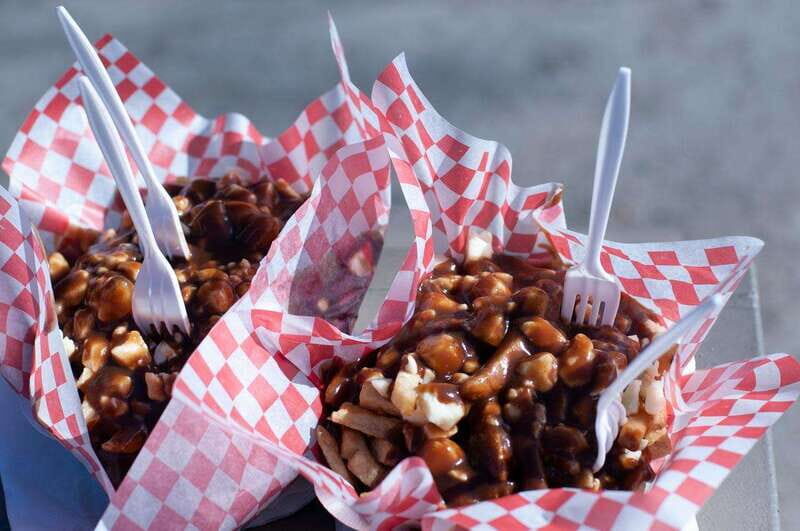
After that first savory moment, you’ll go back to St. Lawrence Market for another tasting—this time a sweet Canadian delicacy. This two-stop market setup keeps the experience balanced. It also helps you avoid that common food-tour problem where everything blurs together into one long snack.
The sweetness is placed after the salty starter for a reason: your palate gets a reset, and you’ll be better able to notice what makes the sweet dish Canadian in its own right.
If you’re someone who tends to skip dessert-like things until later, this stop is your reminder that sweet is part of the Canadian comfort-food story, not an afterthought. It also sets up the final dessert closer, so you get multiple “sweet hits” without it feeling random.
Distillery District cobblestones and a salty, rich stop
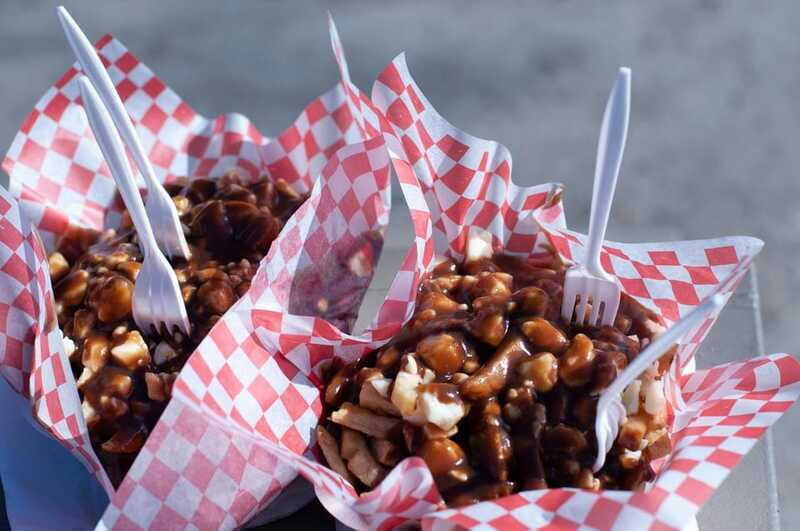
Next, you’ll head to the Distillery District. Here, the tour shifts from food-only to food-plus-place. You get the chance to explore the historic area and walk along its cobblestone streets, which adds texture to the crawl. In other words, you’re not just eating—you’re moving through a setting that matches the storytelling.
You’ll also get another salty and rich Canadian dish. By the time you reach this stop, you’ve already had salty and sweet moments, so this third tasting acts like the “main course” flavor in your mental lineup. It’s a heavier bite, and the tour’s structure makes sense: the snacks build toward something more satisfying.
Practical tip: cobblestones can be a bit unforgiving if your shoes are slick or worn out. Bring footwear with grip, especially if you’re doing this in cooler or wet weather.
Ending with dessert: the last sweet you’ll actually remember
Your final food stop is another sweet treat. The tour description puts it plainly: there’s no better way to end a food tour than with dessert.
That matters because dessert is where a lot of people “judge” the whole experience. If the last stop is thoughtful and tasty, you walk away feeling you got a complete arc—not just a few samples.
Also, ending with dessert helps you manage the mental rhythm. Three hours can fly. If you know the end goal is one last sweet, it’s easier to stay present and not overthink every bite.




How the walk distance changes what to wear and how to plan

The route isn’t described as a sit-down, multi-course meal. It’s a walking crawl. And there’s a specific requirement: you must be able to walk at least 3.5 kms.
That means you should plan for breaks that come naturally with tastings, not from extended downtime. Wear comfortable clothes you can move in. Bring a layer you can adjust. And if you’re someone who gets snacky but tired quickly, consider eating like you mean it: take your time at each stop, then power through the walk segments with steady pace.
Wheelchair accessible is stated, but the walking minimum is also stated. If you’re using a mobility device, don’t guess at how that will work on the ground. Ask the provider what the practical plan is for your chair or walker type.
Price and value: $98 for a guided 3-hour taste route
At $98 per person for 3 hours, you’re paying for a real guide-led experience, not just access to a couple of food counters. The listing also says all meals are included in the ticket price, which is a big part of the value equation.
Here’s how I’d think about it: if you tried to copy this on your own, you’d still spend time figuring out where to go, then paying for each stop separately. Paying $98 makes sense only if you actually want the structure—guided context, a set order of tastings, and the convenience of not having to coordinate everything.
The small-group cap of 10 participants also supports the price. It’s easier for a guide to explain dish origins and answer questions when the group isn’t huge. That educational layer is part of what you’re funding, not only the food.
If you’re traveling with limited time in Ontario and want a “food culture hits” route without endless research, this price feels more reasonable. If you’re the kind of traveler who loves wandering freely and building your own snack map, you might choose differently.
Group size and pace: what “up to 10” does for your experience

With a small group, you generally get two advantages: the tour feels less rushed, and your guide can keep explanations connected to what you’re tasting. This matters most at the market stops, where options are plentiful and people naturally have questions.
It also changes the social vibe. A group of 10 is still enough to share travel energy, but small enough that you’re not lost in the crowd. That can make a big difference if you prefer your experiences with a bit more conversation and less “line up and move.”
Timing-wise, the tour asks that you arrive about 10 minutes prior to departure. That’s a simple request, but it helps the guide start on time and keeps the group flowing from stop to stop without awkward waiting.
Niagara Falls viewpoints from both Canada and the USA
One highlight in the tour description calls out Niagara Falls viewpoints from both Canada and the USA. That’s an important promise, because it suggests you’ll see the falls through more than one lens.
Since the step-by-step stop description focuses on market tastings and the Distillery District walk, I’d treat the Niagara Falls component as a bonus scope element tied to the broader route. Either way, it’s a differentiator versus typical city-only food tours.
If Niagara Falls is on your must-see list, this is one reason I’d consider booking. You get food culture plus a major sight, all within one guided block.
Who this crawl suits best
This tour is a strong fit if you want:
- Canadian comfort-food style tastings in a guided sequence
- Clear explanations about dish origins and significance
- A 3-hour experience that doesn’t eat your whole day
- A small-group vibe with a live guide in English
It’s also a good match if you’re visiting Ontario and want a route anchored by major food landmarks like St. Lawrence Market, then balanced with a historic walking area in the Distillery District.
It’s less ideal if:
- You don’t meet the stated walking minimum of 3.5 kms
- You’re looking for specific named dishes and recipes (the tasting categories are described, but not itemized here)
- You want long museum-style pacing instead of a food-and-walk format
Practical FAQ before you book
FAQ
How much does the Canuck Culinary Crawl cost, and how long is it?
It costs $98 per person and runs for 3 hours.
Where does the tour start?
Your guide meets you outside the front gates of the Distillery District.
How big is the group?
The tour is a small group limited to 10 participants.
What language is the live guide?
The live tour guide is English.
What meals are included in the ticket price?
All meals are included in the ticket price.
What food stops are included?
The route includes stops at St. Lawrence Market, the Distillery District, and a final dessert stop.
Do I have to walk a certain distance?
Yes. You must be able to walk at least 3.5 kms.
Is the tour wheelchair accessible?
Wheelchair accessible is listed, but there is also a minimum walking requirement, so mobility should be considered.
What is the cancellation policy?
You can cancel up to 24 hours in advance for a full refund.
Should you book this tour if you want to see Niagara Falls too?
The tour highlights include Niagara Falls viewpoints from both Canada and the USA.
Should you book the Canuck Culinary Crawl?
If you want a guided way to taste Canadian staples, learn why they matter, and wrap it into a 3-hour plan that includes multiple savory-and-sweet stops, this crawl is a solid pick. The best reason to book is the mix of St. Lawrence Market credibility and the story-led tastings, plus a small-group setting that keeps the experience from feeling like cattle-handling.
I’d book if you can comfortably handle 3.5 kms of walking and you like tours where you’re eating along the way, not just watching from the sidelines. If that walking requirement is a concern, it’s the one thing I’d sort out first before you commit.