REVIEW · TORONTO
Toronto: Little Canada Skip-the-Line Entry Ticket
Book on GetYourGuide →Operated by Little Canada · Bookable on GetYourGuide
Canada, reduced to tiny scale magic. In 45,000 square feet at 1:87 scale, Little Canada lets you walk through miniature replicas of top Canadian sights, from city streets to coastlines. I like how it feels like a whole country visit, without the travel day headaches.
My other favorite part is the behind-the-scenes Miniature Makers Studio, where you can watch the work in progress instead of just staring at finished scenes. One heads-up: if you wear glasses, the attraction’s glass effects can distort or magnify views and feel a bit uncomfortable in places.
In This Review
- Key Highlights You Should Know
- Little Canada at 1:87: Why This Place Feels Bigger Than It Is
- Finding Little Canada Fast: Yonge-Dundas and the Eaton Centre Area
- Your 2-Hour Route Through Seven Mini Destinations
- Little Niagara: The Feel of Canada’s Power Places
- Little Toronto: City Streets That Are Easy to Read
- Little Golden Horseshoe and Little Ottawa: Ontario and the Nation’s Capital Mood
- Petit Québec: One Little Area with a Different Personality
- Little East Coast and Little West Coast: Coastlines With Personality
- Little North: The Big-Feeling Canada Moment
- The Miniature Makers Studio: Where the Craft Becomes the Story
- Littlization Station 3D Scanning: Making a Tiny Little Me
- Glass Effects, Crowd Timing, and Other Real-World Considerations
- Price and Value: Is $33 Worth It?
- Who Should Book Little Canada (and Who Might Skip It)
- Should You Book This Ticket?
- FAQ
- How long does a visit to Little Canada take?
- Where is Little Canada located and how do I enter?
- What miniature destinations will I see?
- Is the 3D Little Me included with the ticket?
- Are food and drinks allowed inside?
- Can I cancel or reschedule my visit?
- Final Take
Key Highlights You Should Know
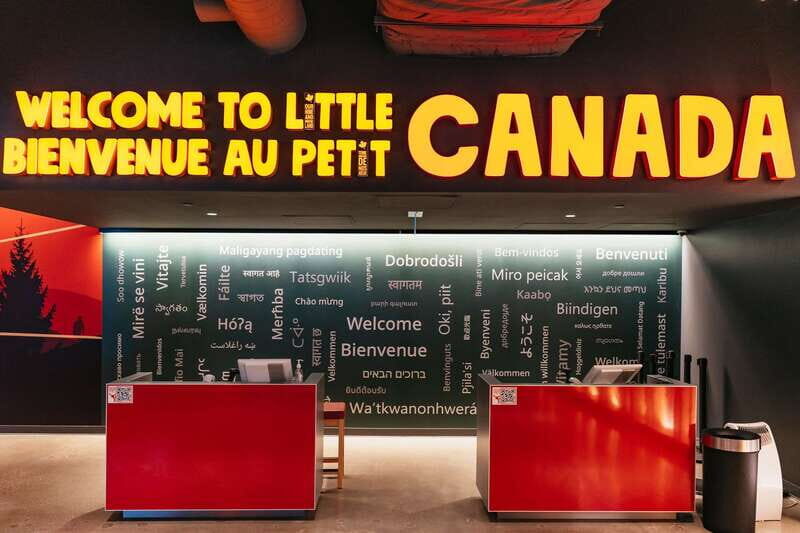
- 45,000 square feet of miniature Canada built at 1:87 scale
- Skip-the-line entry so you lose less time waiting
- Seven miniature areas, including Little Niagara, Little Toronto, Petit Québec, and Little North
- Miniature Makers Studio for a firsthand look at how displays get made
- A 3D scanning booth at the Littlization Station for an optional Little Me figure
- Expect around 2 hours for a relaxed, close-up visit
Little Canada at 1:87: Why This Place Feels Bigger Than It Is
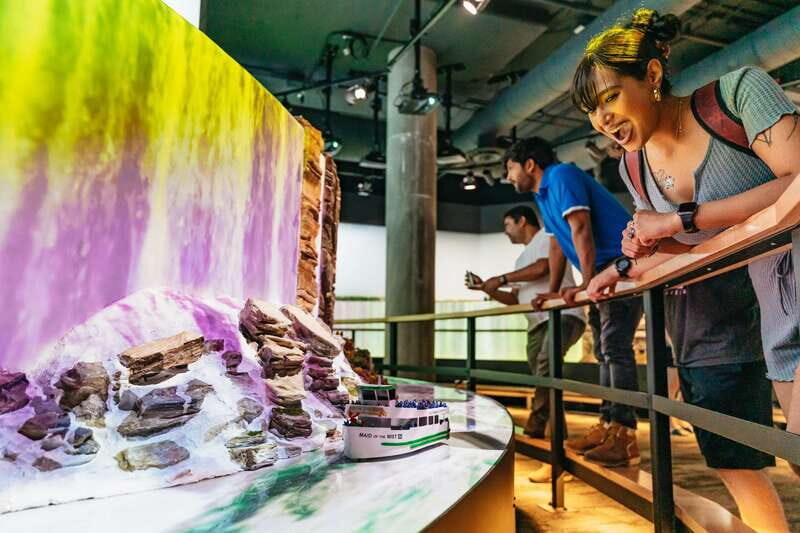
Little Canada is the kind of attraction that tricks your brain in the best way. You’re standing in a real indoor space, yet the models make it feel like you’ve stepped onto different parts of the country. The key is the scale: everything is crafted at 1:87, so buildings, terrain, and even small details follow consistent proportions. That consistency is what makes the mini scenes feel believable, not like random dioramas.
I especially like the way the country is presented through recognizable anchors. You’re not stuck with scenery that’s hard to place. Instead, you get destinations you can name right away—Toronto landmarks, Niagara-area highlights, and Quebec-style streets—plus broader themed zones for the coasts and the North. It’s a fun format for Canada lovers and a surprisingly strong way to learn geography without doing a textbook-style tour.
At 45,000 square feet, you also get room to move. This isn’t a quick look-and-go stop. You can take your time, walk up close, and still have enough space to keep your pace comfortable, especially if you’re traveling with kids or want to pause a lot for photos.
Other immersive & VR experiences we've reviewed in Toronto


Finding Little Canada Fast: Yonge-Dundas and the Eaton Centre Area
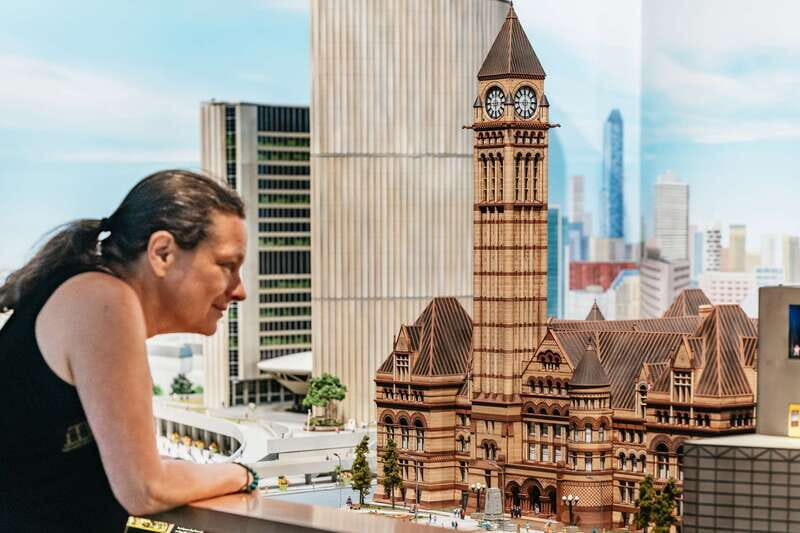
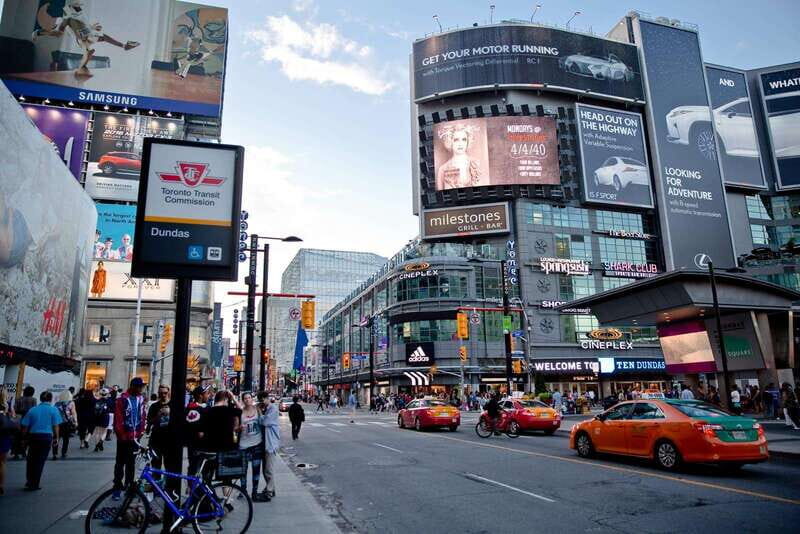
Location matters with city attractions, and Little Canada is right where you want to be: across the street from Yonge-Dundas Square and The Eaton Centre. That makes it easy to pair with other downtown plans, whether you’re doing shopping before dinner or lining up a museum day.
The entry setup is a little specific. The attraction sits on the lower level (B2) and is reached by taking two series of escalators. If you’re approaching from the main downtown flow, you’ll find it quickly once you follow signs to the lower level.
Accessibility is built in too. For travelers with impaired mobility, there’s an accessibility entrance at 319 Yonge Street, around the corner from the 10 Dundas Street East lobby. An elevator takes you into Little Canada’s arrivals lobby, which then connects to entry through staff assistance if needed.
One practical tip: because the place is in a high-footfall area, arriving a little earlier than your booked time can help you settle in before crowds peak.
Your 2-Hour Route Through Seven Mini Destinations
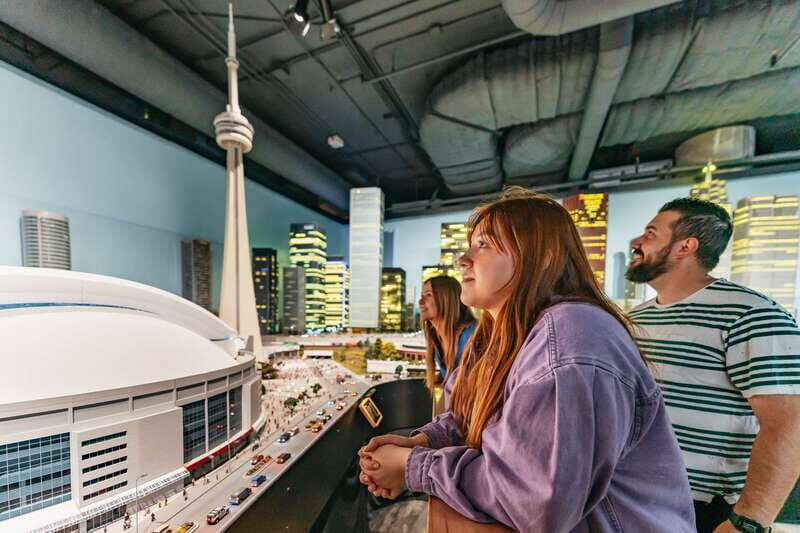
Plan on about 2 hours for the experience. That timing makes sense because you’ll want to do two things at once: enjoy the big-picture scenes and then get up close enough to catch details. Your visit time can stretch or shrink depending on how much you stop for photos, how fast you move, and how long you spend in the Miniature Makers Studio.
Here’s the route concept, destination by destination:
Little Niagara: The Feel of Canada’s Power Places
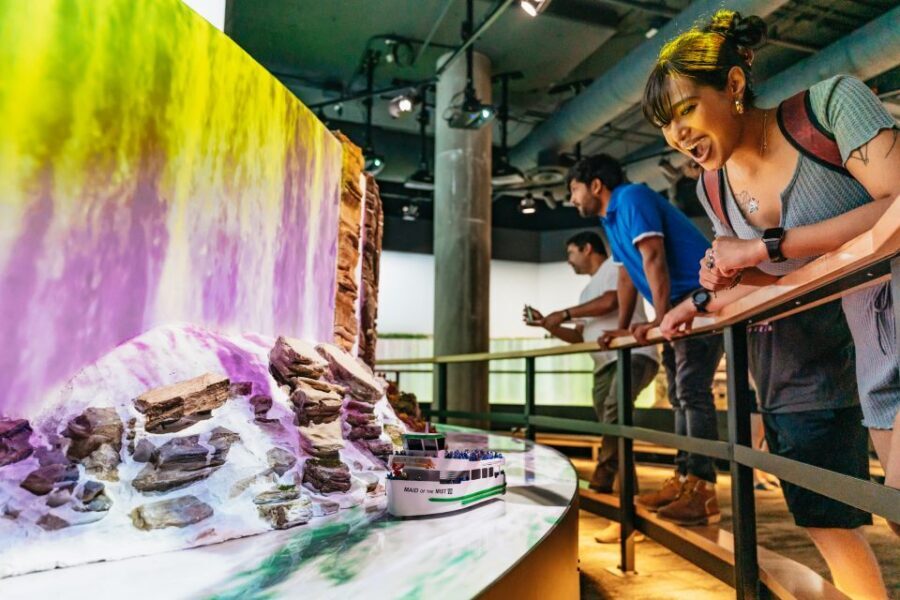
Little Niagara is designed to give you instant recognition. Even in miniature form, the Niagara-zone idea is about scale and energy—water, bridges, and dramatic visual composition. You’ll likely find yourself walking the perimeter to compare angles, because miniature scenes reward viewpoint changes.
Little Toronto: City Streets That Are Easy to Read
Little Toronto is the spot that helps you connect tiny details to real-world memory. You can treat this like a self-guided mini city walk: look for familiar shapes and street layouts, then shift positions to see how the scene is built in layers.
A few more Toronto tours and experiences worth a look





Little Golden Horseshoe and Little Ottawa: Ontario and the Nation’s Capital Mood
These two destinations give you more than a geography lesson. They also shift the vibe—Ottawa’s zone reads more formal, while the Golden Horseshoe area feels connected to everyday regional life. The value here is variety: you’re not stuck seeing just one type of architecture or landscape throughout the visit.
Petit Québec: One Little Area with a Different Personality
Petit Québec adds a distinct flavor. Even if you don’t know every building style, you’ll feel the difference in design language. This is the part that often gives people that moment of, oh right, Canada isn’t one single uniform look.
Little East Coast and Little West Coast: Coastlines With Personality
The East Coast and West Coast sections help you compare regional identity without needing to choose one coast for a whole vacation. You’ll see how the modelers translate a broad area into recognizable texture—shapes, structures, and arrangement.
Little North: The Big-Feeling Canada Moment
Little North is where the attraction leans into atmosphere. Even without moving outdoors, the North zone is about giving you that sense of distance and scale. If you’re doing this with kids, this tends to be one of the zones that sparks questions because it looks different from the urban parts.
One note for planning: some displays can be under maintenance at times. If you have a must-see list, keep your expectations flexible.
The Miniature Makers Studio: Where the Craft Becomes the Story
This is the heart of the attraction. The Miniature Makers Studio is where you stop treating the scene like it’s just art and start treating it like engineering. You can watch the work that goes into making the displays, and you can speak directly to the makers while they craft components.
What makes this part valuable is that it changes what you notice afterward. Once you’ve seen how parts get built, the miniature landscapes become more meaningful. You start looking for construction logic: how textures are created, how structures stay stable, and how the designers achieve realism at small scale.
If you’re traveling with kids, this is also the section that keeps attention longer. It’s not just a static stop. It has motion, tools, and people explaining what they’re doing. Adults tend to enjoy it too because it turns the attraction from passive viewing into active understanding.
If you want to get the most out of it, slow down. Watch, then return to the miniature scenes with fresh eyes. The contrast makes the whole experience feel less like a one-time walk-through and more like a hands-on tour.
Littlization Station 3D Scanning: Making a Tiny Little Me
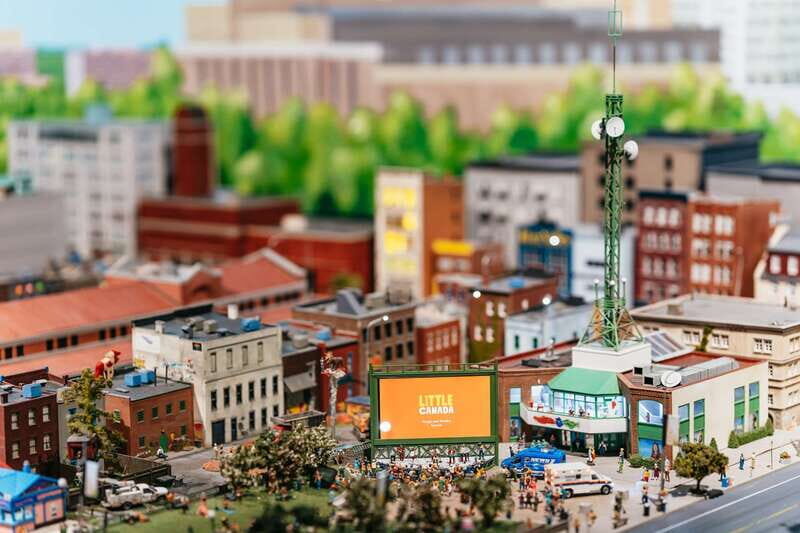
At the Littlization Station, you can step into a 3D scanning booth. The booth uses 128 cameras, and the idea is simple: strike a pose, get scanned, and end up with an optional 3D miniature of yourself.
Important practical detail: the 3D-printed Little Me is not included in the admission ticket cost. That said, even if you skip the purchase, the booth is a fun moment that adds interactivity. It also gives you a chance to reset your brain between destinations, especially if you’ve been walking for a while.
This is the part of the visit that works well for groups. One person can go while the others explore nearby scenes, then you all regroup to keep the momentum going. Just plan for some waiting depending on capacity, since entry into time slots can be limited by crowd flow.
Glass Effects, Crowd Timing, and Other Real-World Considerations

A few practical details can make your visit more comfortable, and they’re worth knowing before you show up.
First, the glass effects. One guest noted that the glass can create magnifying and deforming visuals, which can be especially unpleasant for people wearing glasses. If you’re sensitive to optical distortions, consider positioning yourself to avoid glare and take breaks if the effect bothers you.
Second, crowds. Weekdays from October through June (especially 10am to 1pm) are often very busy with school groups. If you want a calmer visit with less jostling, aim for later in the day. You can still use your voucher any date/time within the next 365 days, so you have flexibility to avoid peak school blocks.
Third, what’s not allowed. You can’t bring food and drinks, and luggage or large bags aren’t permitted. There’s also a security bag check. The good news is that this kind of setup usually keeps the indoor space more manageable, since oversized items aren’t clogging walkways.
Finally, air filtration is taken seriously, with additional HEPA filtration. That matters for comfort, especially in a space with lots of visitors.
Price and Value: Is $33 Worth It?
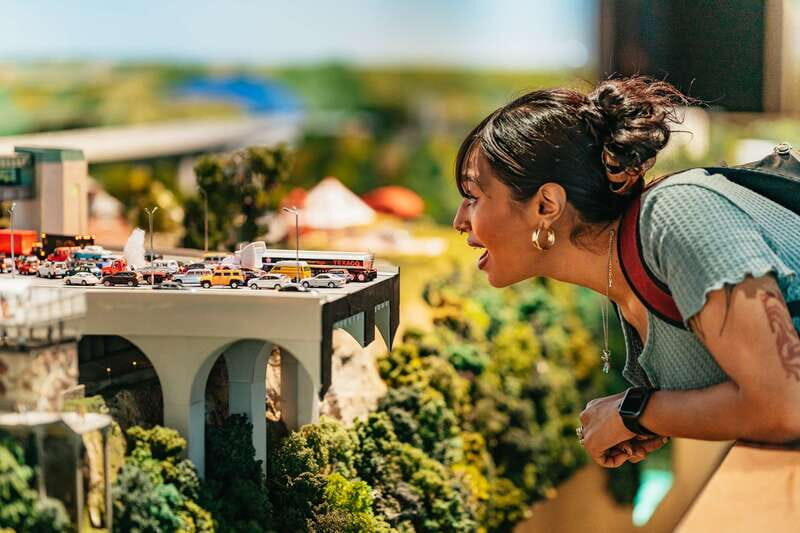
At $33 per person, this isn’t a “blink and you’re done” attraction. It’s priced like an indoor experience with production value—and honestly, the value depends on what you care about.
If you’re drawn to craft, design, and the process behind the scenes, the price starts to make sense quickly. You’re getting not just one show-style attraction, but a full walkthrough of multiple destinations plus the chance to watch making in the Miniature Makers Studio. That’s where the ticket feels more justified than typical photo-only stops.
If you mainly want quick entertainment, you might feel the cost more. The attraction takes about 2 hours, and it’s not a hands-on workshop. It’s more observation than participation, with the scanning booth as the main optional interactive element.
For families, this can be a strong value if you time it right. The mini scenes give kids something to look at for a long time, and the makers studio gives you a reason to pause. Adults who like travel and geography also get their money’s worth because the destinations are recognizable and cover a spread of regions without requiring a multi-day itinerary.
Who Should Book Little Canada (and Who Might Skip It)
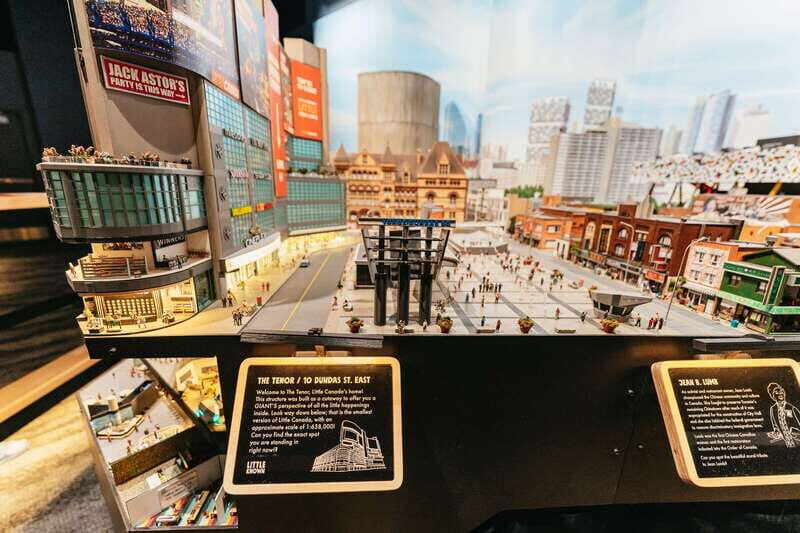
This works best if you fall into one of these groups:
- Family travelers who want a weather-proof, indoor experience in downtown Toronto.
- Canada fans who like seeing the country in one place, arranged by region.
- Design and craft lovers who enjoy the making process as much as the finished display.
- People who like photography from multiple angles and close-up detail.
You might want to reconsider if you prefer ultra-personal tours with guides leading you through every stop. Little Canada is mainly self-paced within the on-site experience. Also, if you know you’re uncomfortable with optical distortions from glass effects, plan to take your time and watch how you feel as you move through the displays.
Should You Book This Ticket?
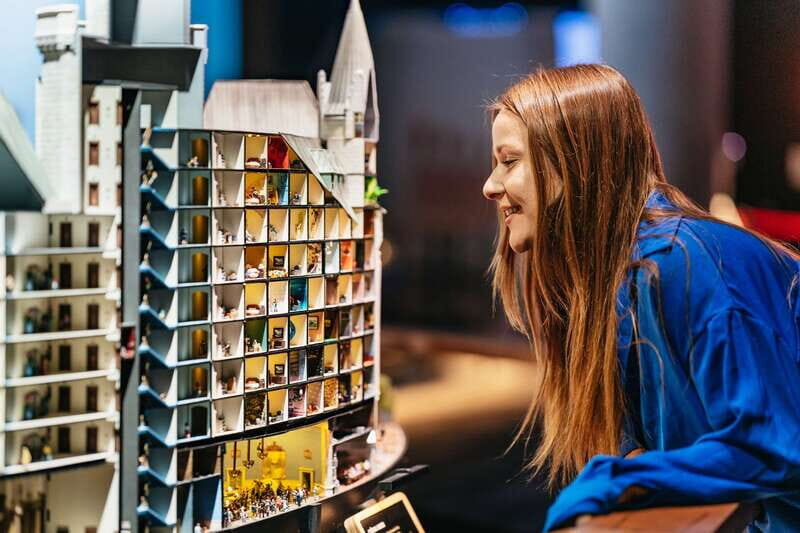
Yes—if you want a fun, self-guided way to see Canada’s main regions plus a real behind-the-scenes component. For $33, the best value comes from actually using your time well: take your route through the seven mini destinations, then make room for the Miniature Makers Studio because it turns the experience from viewing into understanding.
If you’re aiming to avoid crowds, go later in the day during busy months, and keep your expectations realistic about capacity limits inside.
FAQ
How long does a visit to Little Canada take?
The experience takes approximately 2 hours, though it can vary from person to person.
Where is Little Canada located and how do I enter?
It’s across the street from Yonge-Dundas Square and The Eaton Centre. It’s on the lower level (B2) down two series of escalators. The accessibility entrance is at 319 Yonge Street, and an elevator will take you directly into the arrivals lobby.
What miniature destinations will I see?
You’ll see seven miniature destinations: Little Niagara, Little Toronto, Little Golden Horseshoe, Little Ottawa, Petit Québec, Little East Coast, Little West Coast, and Little North.
Is the 3D Little Me included with the ticket?
No. The 3D-printed Little Me is optional and not included in the admission ticket cost.
Are food and drinks allowed inside?
No. Food and drinks are not allowed, and there are also restrictions on luggage or large bags.
Can I cancel or reschedule my visit?
Free cancellation is available up to 24 hours in advance for a full refund.
Final Take
Little Canada is a well-built, indoor Toronto stop that works on both the excited-kid level and the design-curious adult level. If you like miniatures that feel carefully made—and you don’t mind a couple of hours walking slowly—you’ll likely leave thinking about the craft long after you’ve left.