REVIEW · TORONTO
Museum of Illusions Admission in Toronto
Book on Viator →Operated by Museum of Illusions · Bookable on Viator
Your brain won’t trust what it sees. The Museum of Illusions Toronto turns downtown time into hands-on optical puzzles, rooms that warp perspective, and plenty of chances to pose.
I like that it’s self-guided, so you can linger on the illusions that click for you and skip the ones that don’t. I also love how much of it is built for kid-and-adult fun, with staff helping you figure out what you’re looking at and even pitching in for photos.
One heads-up: it’s a small, popular attraction, so on busy time slots it can feel crowded and rushed for the price—some people even leave early when the flow gets chaotic.
In This Review
- Quick hits
- Walking In at 132 Front St E: Tickets, Access, and What You Actually Get
- Self-Guided Inside: How to Plan a Realistic 1-Hour Visit
- The Main Stop: Museum of Illusions Toronto and Its Standout Moments
- Tilted room energy: where perspective goes sideways
- Infinity room vibes: endless-looking photos
- Vortex tunnel: motion plus mind tricks
- Holograms and train-station style photo moments
- Puzzles with real effort: wooden brain teasers
- DJ illusion board: playful and interactive
- When staff helps you get it
- Price and Value: Is $26.23 Worth It for You?
- Crowds, Comfort, and Choosing the Right Time Slot
- Getting Better Photos and Better Fun Without Stress
- Who This Works Best For (and Who Might Be Disappointed)
- Great fit
- You might want to think twice if…
- Should You Book the Museum of Illusions Toronto?
- FAQ
- How long does the Museum of Illusions Toronto experience take?
- What’s included with admission?
- Where do I redeem my tickets?
- Is this activity self-guided?
- Is it private, or will I join other groups?
- Do children need to be accompanied by an adult?
Quick hits
- Self-guided hour: go at your pace, and you’ll likely finish faster than a big museum
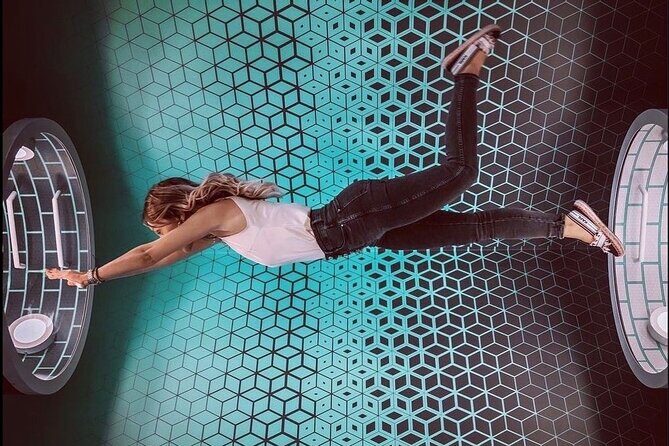
- Photo-friendly rooms: tilted and infinity-style spaces are made for picture-taking
- Interactive puzzles: wooden puzzles and mind-bending visual challenges keep it from feeling like a slideshow
- Helpful staff: people like Pragya have been praised for clear introductions and exhibit walkthroughs
- Best when crowds cooperate: peak slots can make it feel too tight and uncomfortable
Walking In at 132 Front St E: Tickets, Access, and What You Actually Get

The Museum of Illusions Toronto sits at 132 Front St E in downtown—easy to reach and described as near public transportation. Your ticket redemption is straightforward: you’ll show up at the museum and use your admission ticket to enter.
This is a private tour/activity, meaning only your group participates. That matters because it helps you avoid the feeling of being “mixed in” with a random crowd tour, even though you can still share space with other visitors on the same day.
Admission includes access to all exhibits. That’s the core value: you’re paying for entry, not for a guided talk package. Drinks and food aren’t included, so plan on a snack or water before you go, especially if you’re visiting with kids.
If you’re counting on a smooth start, arrive with a little buffer. One downside that pops up in real-world experiences is overcrowding, and when the entry area or the rooms get packed, your visit speed can change fast.
Other immersive & VR experiences we've reviewed in Toronto


Self-Guided Inside: How to Plan a Realistic 1-Hour Visit
The experience is listed at about 1 hour (approx.). In practice, this place can feel like a quick sprint or a slow browse, depending on what grabs you. Some people say they’re done in about 30 minutes, while others work through favorites and take longer with puzzles and photo spots.
Because it’s self-guided, your “plan” is really about your priorities. I suggest treating it like a choose-your-own-adventure:
- If you love photos, start by spotting the most obviously camera-friendly rooms (like tilted and infinity-style areas).
- If you love puzzles, spend a bit more time on hands-on activities like wooden puzzle challenges.
- If you want the science vibe, slow down long enough to read the signs posted around the exhibits.
A small but useful detail from reviews: at least some exhibits rely on you noticing the written instructions/signs in order to get the full directions for what to do. If you miss that step, the room can feel confusing instead of clever. So take 10 seconds at the start of each exhibit to read.
The Main Stop: Museum of Illusions Toronto and Its Standout Moments
This whole ticket is for one place—the Museum of Illusions Toronto—and within that, the visit is all about moving through rooms that play tricks on your eyes, your balance, and your sense of “what should happen.”
Tilted room energy: where perspective goes sideways
The tilted room is one of the names you’ll keep seeing for a reason. It’s the kind of exhibit where your brain insists you’re standing normally while the room says nope. It’s also a magnet for photos, so it’s worth arriving with patience in case it’s busy.
The upside is that you don’t need special skills. Everyone can try it, laugh at it, and get a usable photo.
Infinity room vibes: endless-looking photos
The infinity room is another frequently praised highlight. These spaces are all about repetition and reflection, which makes them fun even if you’re not the type who usually cares about optical illusion museums.
What makes it good value for many people is that it’s quick to do and satisfying to watch. You’ll likely get multiple angles without needing a ticket add-on.
Other museum experiences in Toronto




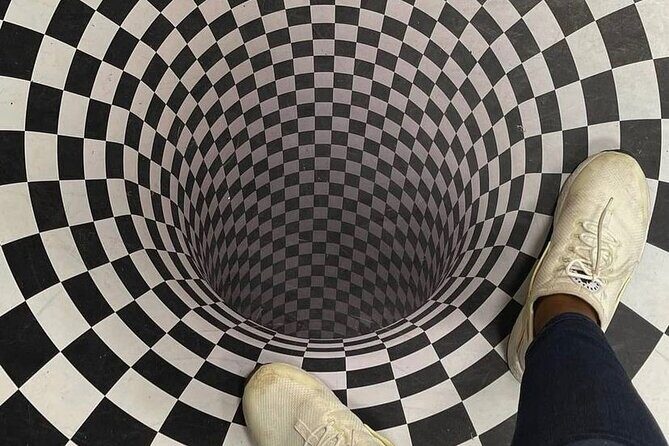
Vortex tunnel: motion plus mind tricks
Some exhibits lean more physical, and the vortex tunnel is a great example. It’s the kind of illusion that can feel intense (in a fun way) because your body expects one thing and your eyes report another.
If you’re visiting with kids, this is often the kind of room that keeps them engaged. If you’re visiting as a couple or solo, it’s a nice “shared challenge” even if you’re mostly there for photos.
Holograms and train-station style photo moments
You’ll also find illusion experiences that look like they were designed for picture-taking—one review calls out an experience similar to a hologram train station spot. There are also mentions of holograms and a subway-related illusion experience.
The common thread: these are built to look impressive on camera, but they’re still visual tricks first. If you go in expecting a normal museum display, you might miss the point. Go in expecting a light, interactive photo lab.
Puzzles with real effort: wooden brain teasers
Not every exhibit is just “stand here, smile.” Reviews point to wooden puzzles that can stretch your time. That’s where the visit can move from quick selfie stops into something more thoughtful.
If you want a visit that feels like more than a picture gallery, aim for at least one longer puzzle area. It balances the experience and helps the ticket price feel more justified.
DJ illusion board: playful and interactive
There’s also mention of a DJ illusion board. That’s a good sign if you’re trying to keep the experience lively, especially for kids or groups of friends. Interaction tends to reduce the “too short” feeling because you’re actually doing something, not just observing.
When staff helps you get it
One of the best “experience boosters” is staff clarity. One review specifically praises Pragya for introductions in each room—friendly, professional, and clear. Even if you don’t get a staff-led explanation like that, many people note that staff members help with exhibit understanding and photo-taking.
This is useful because illusions can be frustrating if you don’t know what you’re supposed to do. When staff steps in, it turns confusion into payoff.
Price and Value: Is $26.23 Worth It for You?
At $26.23 per person, you’re paying for a downtown, interactive attraction that’s designed for quick fun. That price is where the experience divides: people who love illusion rooms and photo corners feel it’s worth it; people who want a bigger space or longer museum time may feel shortchanged.
Here’s how I’d evaluate value from your side before you buy:
- If you can comfortably do 30–60 minutes of playful exploration, the price can feel fair because you’re buying admission to multiple interactive exhibits.
- If you expect a large museum with deep content and lots of time, you’ll likely feel it’s too small.
- If you’re paying during peak hours, crowds can reduce enjoyment. When you can’t comfortably try exhibits, the experience starts to feel more like waiting than playing.
A few reviews call out that the venue feels small and can be completed quickly. Others say they got a solid amount out of it because they revisited favorites. That tells me the trick is not just timing—it’s how you plan to use your time once inside.
If you’re deciding between “I’ll do it once” and “I’ll actually work the exhibits,” go with the second. Spend a few minutes on puzzles and signs, not only the most obvious photo rooms.
Crowds, Comfort, and Choosing the Right Time Slot
This is one of the more important practical considerations.
On some time slots, the museum can feel overrun. When that happens, people report bumping into each other and chaotic lines for the illusions. Another issue mentioned is that in a small indoor space, overcrowding can create discomfort (including ventilation concerns).
What can you do with that information?
- Choose a time when you expect fewer families and school groups. (The exact best time isn’t listed, but avoiding the busiest hours is the safest bet.)
- If you’re visiting with kids, bring realistic expectations and plan for short bursts of attention.
- If you’re sensitive to tight spaces, consider going earlier or later rather than right at the peak.
Also, remember this is self-guided. That’s great for freedom, but it also means you’ll feel crowd friction without a guide controlling the flow. Staff can help, but they can’t magically create empty space.
Getting Better Photos and Better Fun Without Stress

Photo spots are a huge part of this museum’s appeal. But photos take time, and time is what crowds steal from you. So use photo strategy:
- Do the most popular rooms first (tilted and infinity-style areas are common favorites) while you have momentum.
- Move quickly between rooms, then slow down for the ones that really work for you.
- If you need help with pictures, staff appear to be willing to assist. Many reviews mention staff helping with photo-taking.
One small behavioral tip that can improve your experience a lot: read the signs where instructions are provided. When you understand how to trigger the illusion effect, you get stronger results with less frustration.
Finally, go with at least one person who’s down to experiment with you. Several experiences highlight that the museum is more fun when you can play off each other—trying poses, laughing at perspective tricks, and taking turns.
Who This Works Best For (and Who Might Be Disappointed)
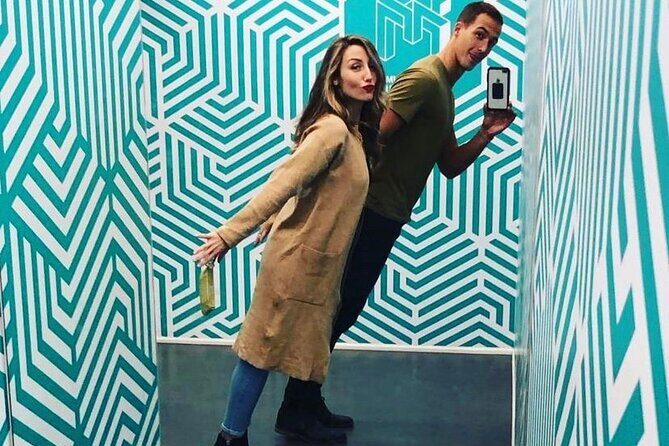
This museum is strongest when your expectations match the format: compact, interactive, and built around your eyes and your phone.
Great fit
- Families with kids who enjoy hands-on activities and photo moments
- Couples who like quirky, playful challenges and want a memorable downtown stop that isn’t heavy
- Groups of friends who enjoy puzzles and can take turns at the trickier exhibits
- Solo visitors who are comfortable working through rooms at their own pace (and are happy asking staff for photo help)
You might want to think twice if…
- You want a long, slow museum with lots of space
- You’re very price-sensitive for short attractions and don’t enjoy photo-heavy experiences
- You get stressed in crowded indoor spaces
The positive reviews strongly emphasize the fun and the variety of interactive rooms. The mixed reviews focus on crowding, small size, and short time. So your decision should come down to whether you’re the kind of visitor who enjoys quick, playful “wow” moments.
Should You Book the Museum of Illusions Toronto?
If you’re visiting downtown Toronto and you want an easy, self-guided activity that works for adults and kids, I’d say book it—especially if you’re excited by tilted rooms, infinity-style illusions, and interactive puzzles.
I’d skip or re-think if you’re expecting a large museum experience or you’re going during hours when you think crowds will be heavy. In that case, the ticket can feel more like a rushed photo queue than an illusion adventure.
My best advice: treat it like a one-hour playground. Plan to spend some time reading exhibit signs, do at least one puzzle for depth, and aim for your favorite rooms early so the crowd doesn’t steal your fun.
FAQ
How long does the Museum of Illusions Toronto experience take?
It’s listed at about 1 hour (approx.), though your pace depends on how many exhibits you try and how much time you spend on photos and puzzles.
What’s included with admission?
Admission includes access to all exhibits. Drinks and food are not included.
Where do I redeem my tickets?
The ticket redemption point is Museum of Illusions Toronto, 132 Front St E, Toronto, ON M5A 1E2, Canada.
Is this activity self-guided?
Yes, it’s self-guided, so you can explore on your own schedule.
Is it private, or will I join other groups?
It’s described as private, meaning only your group will participate.
Do children need to be accompanied by an adult?
Yes. Children must be accompanied by an adult.