REVIEW · TORONTO
Admission Ticket: Explore Canada in Miniature Scale
Book on Viator →Operated by Little Canada · Bookable on Viator
Mini Canada turns big sights into something you can actually scan.
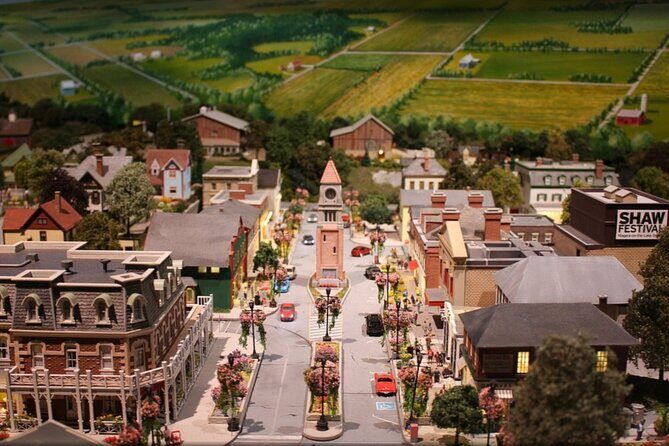
Little Canada in Toronto is a 2-hour, 45,000-square-foot indoor tour where Canada’s most recognizable places—like the CN Tower and Niagara Falls—show up in mini, right down to the day-and-night look of the scenes. It’s also built to reward slow looking, with artists adding new models and lots of tiny stories to catch.
I love the attention to detail—the scenes feel realistic, and there’s usually a small bit of whimsy to hunt for. I also like the hands-on options, like watching model artists at work and the extra-cost chance to get your own mini 3-D figure added to the exhibit.
The main thing to consider is timing. School groups can make the mid-morning window busy (especially Mon–Fri, Oct–June from 10am–1pm), so plan your visit if you want an unhurried walk.
In This Review
- Key points to know before you go
- Little Canada in Toronto: why this miniature tour works
- The main stop: exploring seven mini destinations in one 2-hour walk
- Little Niagara: where the famous gets a new angle
- Little Toronto: city energy in a walkable scale
- Little Golden Horseshoe: the region feeling in miniature
- Little Ottawa: Canada’s capital, simplified but still recognizable
- Petit Quebec: a look at a distinct cultural feel
- Little East Coast: coastal identity in miniature scenes
- Little West Coast: the newest zone to look for
- Artists at work and the “hunt for details” style
- Photos, day-and-night scenes, and how to make the time count
- Price and value: is $33.95 a fair deal?
- Timing in Toronto: hours, school-group crowds, and last entry
- What’s included, what costs extra, and what to do if you want a souvenir
- Who should book this miniature Canada ticket
- Should you book Admission Ticket: Explore Canada in Miniature Scale?
Key points to know before you go

- Ultra-detailed mini neighborhoods across seven destinations, including the newly added Little West Coast
- Spot-the-details payoff: scenes are designed for close looking and repeat visits
- Artists working on new models so the exhibit feels alive, not static
- CN Tower and Niagara Falls show up in a fresh miniature perspective
- Extra option: Little Me for a mini 3-D version of yourself (paid onsite)
Little Canada in Toronto: why this miniature tour works
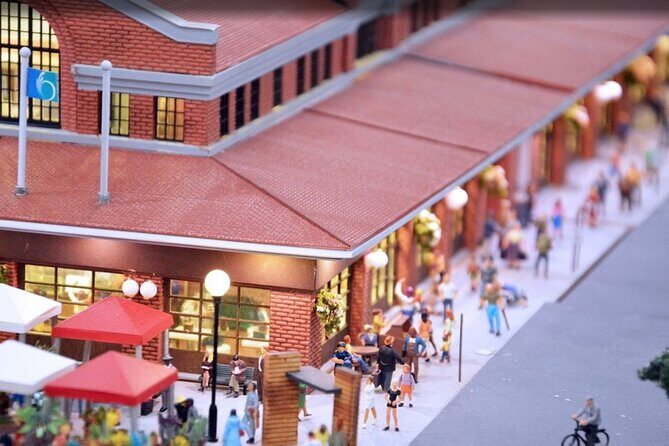
Canada can feel spread out—coast to coast, city to city—so it’s easy to think you need multiple trips to see it all. Little Canada shrinks that problem. In one indoor stop, you can walk through a mini version of the country’s major places and then compare them side by side, like you’re flipping through a well-made map that you can also walk through.
What makes the experience fun is the way it’s built for attention. Instead of racing past big landmarks, you get encouraged to slow down and notice. The results are exactly what people hope for with miniature art: you end up seeing stuff you didn’t expect to notice—then you spot even more the second time around.
You’ll also appreciate that the exhibit isn’t just “one version” of Canada. Some scenes are shown in both daylight and nighttime looks, which changes the mood and makes lights and details pop differently. It’s a small touch that makes the whole thing feel more playful and less like a static display.
A few more Toronto tours and experiences worth a look



The main stop: exploring seven mini destinations in one 2-hour walk

Your core experience is the Little Canada exhibit, spread across a large indoor space with seven named destinations. Plan around 1 hour 30 minutes to 3 hours so you can do a careful circuit without feeling rushed.
Here’s what you’ll be looking for as you move through:
Little Niagara: where the famous gets a new angle
Niagara is one of those places people can picture even before they visit. In mini form, it becomes easier to understand how the area fits together. You’ll find Niagara references designed for quick recognition, but the real fun is scanning for smaller details that make the scene feel like a place, not just a symbol.
A big part of why this stop works is perspective. Miniature can make big energy feel less intimidating, so you end up studying instead of just snapping photos.
Little Toronto: city energy in a walkable scale
Toronto shows up with the kinds of recognizable markers that help you orient fast. You’ll see familiar city vibes and landmarks in a way that helps you compare neighborhoods and skyline ideas without needing multiple transit rides.
If you like urban scenes, this is the section where the exhibit is most like a guided visual puzzle: you’ll look once for the obvious, then look again to catch smaller cues.
Little Golden Horseshoe: the region feeling in miniature
The Golden Horseshoe is more than one city, and that’s what mini helps with. Instead of seeing it as a blur of places, you can spot how the region’s identity connects through the surrounding mini towns and landmarks.
This part is a good pause point if you want variety. It breaks up the “one landmark” rhythm and gives you something that feels more geographic and connected.





Little Ottawa: Canada’s capital, simplified but still recognizable
Ottawa is typically associated with government and formal architecture, and the exhibit leans into that feeling. In miniature, those details get easy to compare and easy to notice.
It’s also one of the zones that helps you picture Canada as more than just famous attractions. You start to get the sense of how different parts of the country show up in different styles.
Petit Quebec: a look at a distinct cultural feel
Petit Quebec adds another “sense” to the walk. Even if you’re not a Quebec specialist, the exhibit structure helps you notice how this part feels different from the rest.
You’ll likely enjoy it most if you like regional contrasts. Miniature is great for highlighting that kind of difference without turning it into a textbook.
Little East Coast: coastal identity in miniature scenes
The East Coast section brings in that ocean-side mood and changes the visuals from inland cities. It also gives you another kind of Canada—one that feels less about skyline and more about place and atmosphere.
This stop can be a mental reset, especially if you’re moving through the exhibit in a straight line. Let your eyes adjust. You’ll notice more that way.
Little West Coast: the newest zone to look for
The newly added Little West Coast is the section you’ll be excited to find if you want a sense of what’s current. It also gives the exhibit a “fresh” feeling because new zones tend to come with new details, new textures, and new angles to look for.
If you’ve visited a similar attraction in the past, this new area is a clear reason to come back. It’s not just repainting; it’s expansion.
Artists at work and the “hunt for details” style
One of the smartest parts of Little Canada is that it doesn’t feel like a dead display. The experience includes moments where you can see artists at work on new models. That adds real energy to what could otherwise be a purely self-guided walk.
Even better, it gives you a reason to linger. When someone’s building or adjusting something, you’re more likely to notice what makes a miniature scene convincing. It’s the same skill you see in fine model making: small choices that add up—shapes, spacing, textures, and lighting.
And yes, there’s a detail-hunting vibe that shows up in how the exhibit is designed. People also mention a person named Maurice, and the idea seems to be that you’ll enjoy finding and following him as you move through the cities to spot more. If you see him during your visit, take the hint and let that guide-style energy steer your looking for a bit.
Photos, day-and-night scenes, and how to make the time count
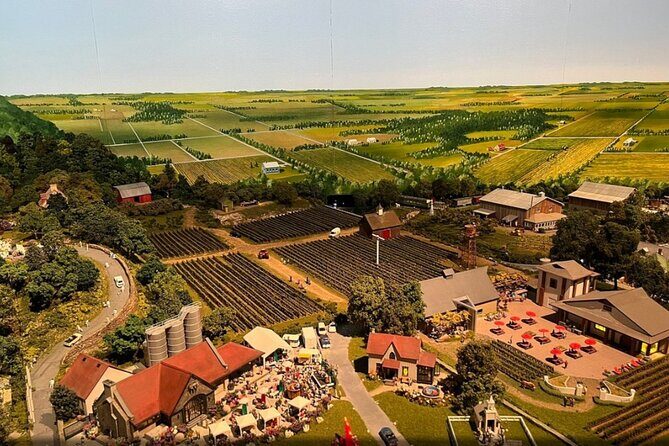
Miniature attractions are tricky: if you walk too fast, you only see the big headlines. If you slow down, you get the real reward. For this exhibit, I recommend you plan your time like this:
- Do one “recognition loop” to find the major landmarks and zones
- Do one “detail loop” where you stop at smaller elements you might miss first
If you’re the type who likes visual comparisons, you’ll get a lot out of the day-and-night presentation. Scenes can look totally different when lighting changes, and that’s a simple way to make the exhibit feel new even on your first hour.
Also, give yourself room for the “wait, I missed that” moments. The attraction is big enough that it’s easy to miss something if you treat it like a checklist.
Price and value: is $33.95 a fair deal?

The ticket price is $33.95 per person, and the experience typically lasts 1 hour 30 minutes to 3 hours. That range matters because you’re not just paying for entry—you’re paying for time in a large indoor space with lots to notice.
A smart value lens here is this: mini exhibits cost you attention more than they cost you money. If you like close-looking—architecture, city layouts, lighting, tiny narrative scenes—then the ticket starts to feel like a bargain. If you only want one quick photo and you’re done, the value can feel weaker, because the attraction is designed for lingering.
You also get GST included, which simplifies the math. And while the Little Me mini 3-D figure is an extra onsite cost, the base exhibit still delivers plenty without buying anything more.
One practical upside: this is a popular ticket, with many people booking about 23 days in advance on average. That doesn’t mean you must plan months ahead, but it’s a sign you’ll have a smoother visit if you grab your slot early—especially in peak periods.
Timing in Toronto: hours, school-group crowds, and last entry
Little Canada’s general hours are 10:00am to 6:00pm, and the last entry is 90 minutes before closing. In other words, if you arrive near closing, you’ll squeeze yourself and lose the slow-looking time that makes the exhibit worthwhile.
You should also expect some schedule variation. There’s a note about early closing on Thursday, Oct 16, 2025 (last entry at 2:30pm), and it’s closed on Christmas Day (Dec 25). On top of that, school groups can make Mon–Fri, Oct–June from 10am–1pm extra busy. If you want a calmer pace, try shifting your visit later in the day or outside that window.
Hours can also vary depending on the date, so it’s smart to check the latest on the official site or Google before you go.
Getting there is fairly easy. It’s near public transportation (people note Yonge & Dundas as a convenient area), which helps if you’re pairing this with other Toronto stops.
What’s included, what costs extra, and what to do if you want a souvenir
Your admission includes GST, and you’ll use a mobile ticket. That keeps things quick: show the ticket on your phone and you’re set.
What costs extra is the Little Me option. The exhibit can add a miniature 3-D model of yourself for an additional onsite fee. If you’re traveling with kids or you’re the type who likes a personal keepsake, this can be a fun way to turn the visit into a one-of-a-kind souvenir.
Service animals are allowed, and the attraction says most travelers can participate. If you’re traveling with strollers or you’re mobility-limited, the exhibit is indoor and walk-focused, so plan your pace and use any available breaks in your route.
Who should book this miniature Canada ticket

Little Canada is a strong fit if you like:
- City planning and architecture at all sizes
- Recognizable landmarks viewed from a fresh angle
- Family outings where everyone can find something to point at
- Close detail work, like the kind you only notice when you slow down
It’s also a great “Canada in one afternoon” stop. If you’re short on time and want a big visual tour of the country, this delivers that without the travel days.
Kids tend to love it too, especially when the experience gives them places to recognize and compare. The exhibit’s design makes it easy to keep attention because there’s always another mini scene to check.
You might want to skip or adjust expectations if you’re only in the mood for a quick look. The best experience comes from taking your time.
Should you book Admission Ticket: Explore Canada in Miniature Scale?
If you enjoy detailed visual experiences and you’re curious about how Canadian regions differ, this is an easy yes. For $33.95, you’re buying a couple hours in a large, indoor exhibit designed for close looking—plus the added value of artists working on models and the chance to spot day-and-night versions of the scenes.
Book it if you can plan around the busy school hours and if you’re happy to spend time looking, not just passing through. If your schedule is tight, show up earlier and protect your time so you can do at least one careful pass through the seven destinations.