REVIEW · TORONTO
Toronto’s Multicultural Heart – Kensington & Chinatown Walk
Book on Viator →Operated by Intrepid Urban Adventures - Canada · Bookable on Viator
Toronto has two faces in one walk.
This 3-hour small-group stroll links Kensington Market and Chinatown, so you go past the standard downtown sights and into neighborhoods shaped by waves of immigration, street art, and everyday local life.
I like how the tour mixes history with practical street-level tips. You get local guidance on where to eat and shop, plus a café stop where you slow down with a coffee or tea.
One thing to plan for: it’s a good amount of walking, and your route ends at Dragon City Shopping Centre rather than back at the start.
In This Review
- Key takeaways before you go
- Why Kensington + Chinatown is the best “Toronto feels” combo
- Starting at Dundas and McCaul: where you begin matters
- Kensington Market stop: murals, vintage finds, and no big-chain vibe
- The included café break: what it’s really for
- Street food snack: learn what to try, not just what exists
- Chinatown stop: late-19th-century roots and modern-day momentum
- Restaurant tips you can use the same day
- Street art and stories: the guide makes or breaks this tour
- Walking route basics: how to stay comfortable
- Price and value: what you’re paying for
- When this tour fits best (and when it doesn’t)
- Should you book the Kensington & Chinatown walk?
- FAQ
- How long is the Kensington & Chinatown walk?
- Where does the tour start and end?
- How many people are in the group?
- What food and drink are included?
- Is the tour family-friendly?
- Can I cancel for a full refund?
Key takeaways before you go
- Two neighborhoods, one efficient route: Kensington Market and Chinatown sit side by side, so you cover a lot in about 3 hours.
- Coffee or tea included: you stop at a neighborhood café, not a generic tourist pit stop.
- A real street food snack: you try something local instead of just looking at menus.
- Street art-focused wandering: bare-brick walls and graffiti murals show up throughout Kensington.
- Chinatown stories plus restaurant tips: you learn why the area developed and get practical places to eat afterward.
Why Kensington + Chinatown is the best “Toronto feels” combo
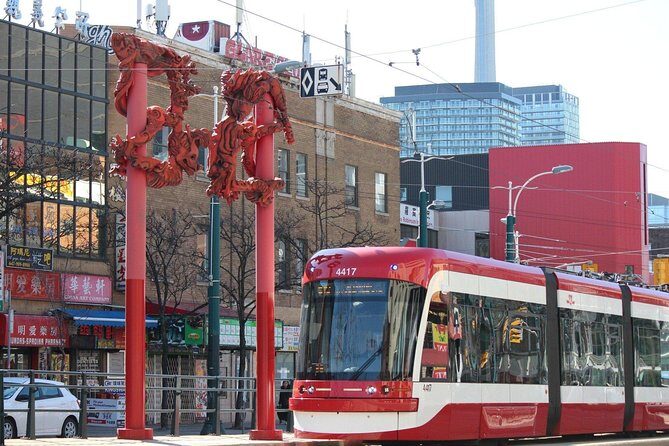
If you only see Toronto’s main landmarks, you miss what makes the city feel like a living place. This walk does the opposite. You spend your time where people actually shop, eat, and hang out, with a guide who points out what you’d otherwise overlook.
What I like most is the balance. Kensington Market gives you indie shops, cafés, bakeries, and street art in a compact area. Then Chinatown one street over shifts the mood to busy commercial streets and strong community history, all around Dundas Street West and Spadina Avenue.
You also get a small-group setup (up to 12). That matters because you’re not just listening to facts from 10 feet away. You can ask questions, and the guide can adapt the pacing to the group.
Other Kensington Market & Chinatown tours we've reviewed in Toronto


Starting at Dundas and McCaul: where you begin matters
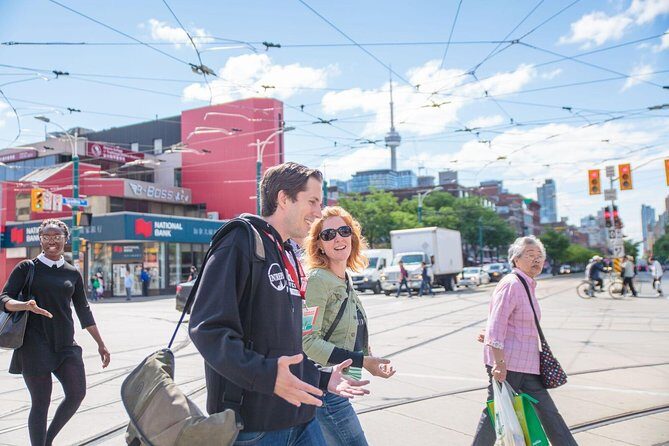
The tour meets at the southwest corner of McCaul Street and Dundas Street West, beside the Art Gallery of Ontario area. Showing up on time here helps because you’ll want to start with the group and settle in before you head into the tighter laneways.
The tour runs at 10:00 am and is planned for about 3 hours. That timing is useful: you’ll hit the neighborhoods when shops are open, and you still have enough of the day left to explore on your own afterward.
If you’re planning your day, note the finish point. You’ll end at the Dragon City Shopping Centre on the southwest corner of Spadina Avenue and Dundas Street West. That’s convenient if you’re continuing west or heading toward other parts of downtown via transit.
Kensington Market stop: murals, vintage finds, and no big-chain vibe
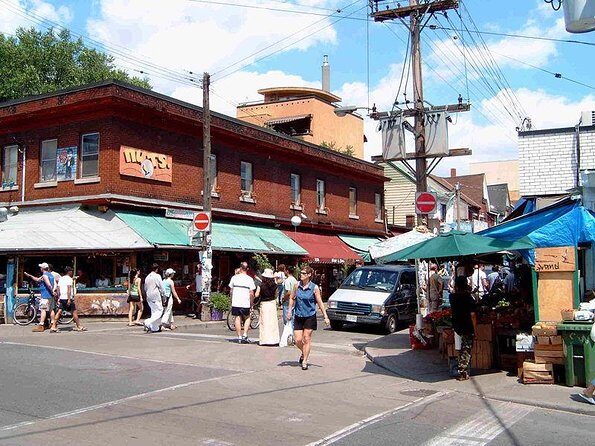
Kensington Market is where you feel Toronto’s immigrant story on the ground, not in a museum. It grew from a working-class Jewish market into a working-class bohemian area, shaped by multiple waves of settlement over the last century.
On this part of the walk, you’ll stop for coffee or tea at a local café and hear how that transformation played out. The guide also points out why you’ll notice independent businesses more than global corporate chains. It’s the kind of neighborhood where big brands feel out of place, and you can see that attitude reflected in the streets.
One of the signature sights here is the street art. Kensington’s bare brick walls have been covered with graffiti murals, often with the building owners’ request. That means the art doesn’t feel like random tagging. You’ll likely find yourself slowing down just to read the walls.
Along the route, look for the mix that makes Kensington Market feel different every block: vintage shops, indie cafés, bakeries, hole-in-the-wall bars, and lots of side-street moments. Even if you don’t buy anything, you’ll get a clear sense of the area’s personality.
The included café break: what it’s really for
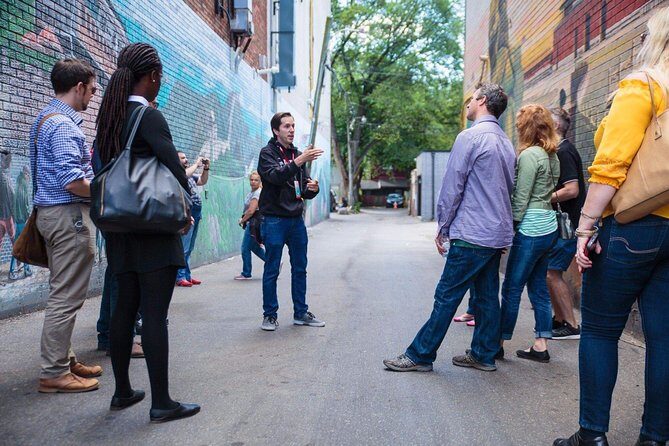
The café stop isn’t just a perk. It’s practical. It gives you a reset so the walk doesn’t turn into a nonstop march, and it helps you hear the neighborhood stories while you’re sitting down and watching the street.
You’ll also get a sense of how locals order and what people actually eat around you. That can pay off later, because the guide’s recommendations tend to line up with what you see customers picking up.
If you’re traveling with kids, this pause is helpful. The tour is listed as child-friendly (and children under 6 can join free of charge), and a sit-down moment makes it easier to keep everyone comfortable.
Street food snack: learn what to try, not just what exists
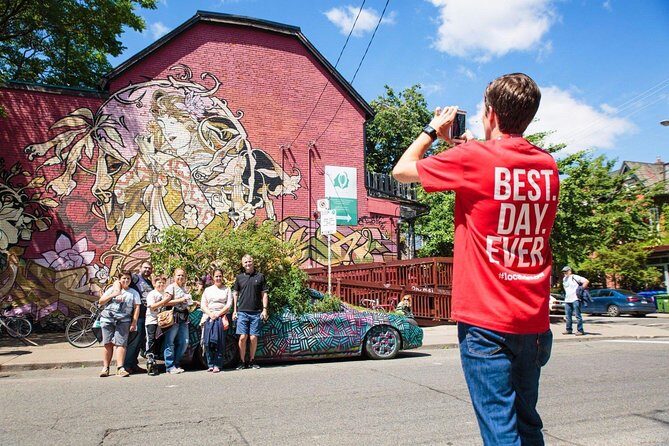
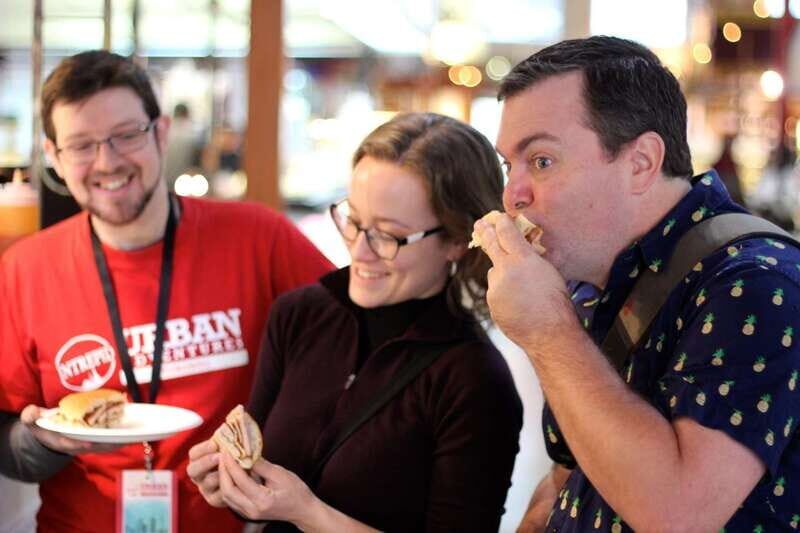
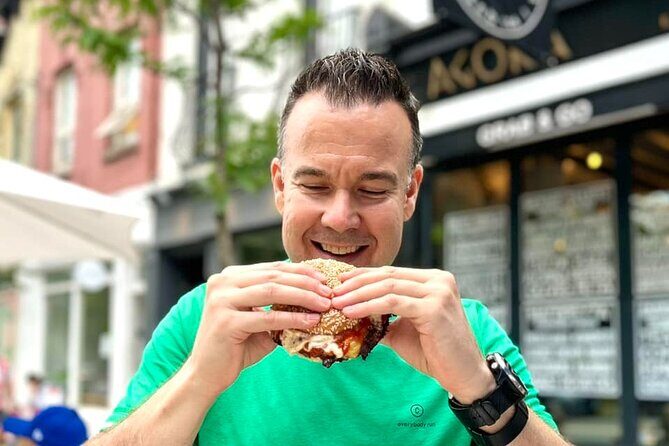
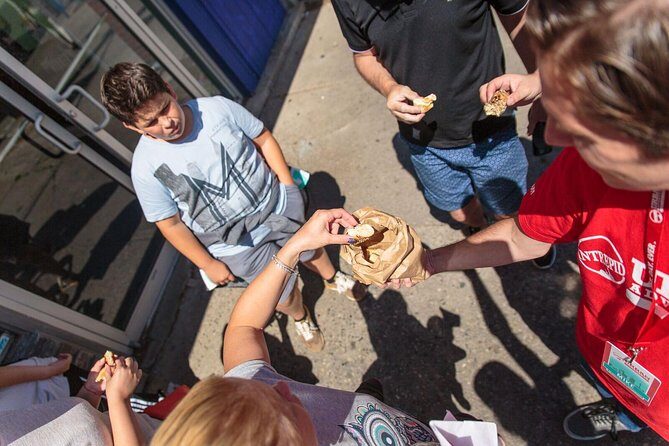
A highlight on this walk is a stop at a local food vendor for a snack. You’re not just tasting one item for the sake of it. You’re learning how street food fits into daily life in Kensington Market.
The guide’s role matters here. Instead of ordering blindly, you get direction on what to try and how the flavors connect to the neighborhood’s multicultural mix. That can be the difference between a snack that feels like a souvenir and a snack that tastes like you understand the place.
I also like the way the tour uses food to break up the pacing. You walk, stop, taste, listen, then move again. It keeps you engaged and helps you remember details like the murals, shop styles, and street layout.





Chinatown stop: late-19th-century roots and modern-day momentum
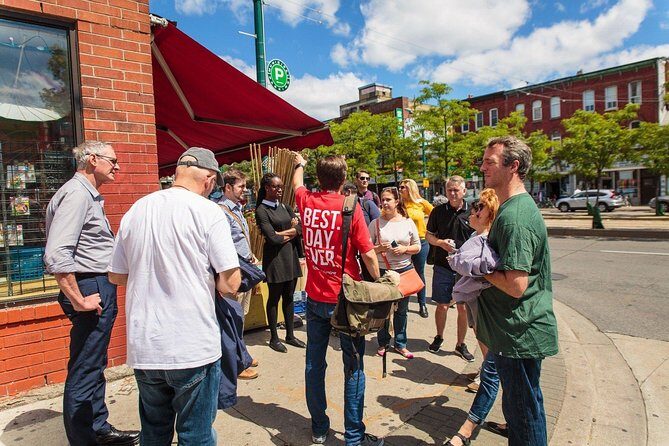
One street over, the tone changes. Chinatown is one of Canada’s largest Chinese communities and also one of the largest Chinatowns in North America. It developed in the late 19th century, and today it stretches along Dundas Street West and out toward Spadina Avenue.
This part of the tour gives you the stories behind what you see: the community development, why the area became such a major hub, and what it means that it stays busy day after day. You’ll also get a feel for how businesses cluster and how the streets function as a meeting point, not just a shopping strip.
Because the neighborhood is active, your guide’s local insights help you read the details. You’ll likely notice restaurants, shops, and historic markers in a way that feels less like sightseeing and more like understanding a living neighborhood.
Restaurant tips you can use the same day
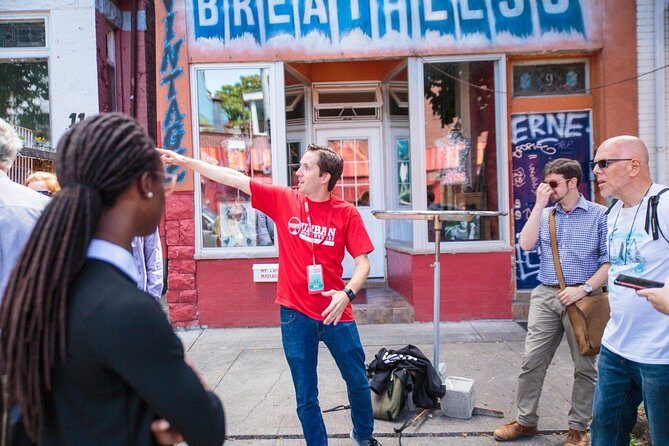
A good guided walk does more than point at sights. It gives you a plan for what to do next, and this tour does that.
On the Chinatown portion, you’ll get restaurant recommendations along the way. That’s especially useful because Toronto’s Chinatown has a lot going on, and it’s easy to feel overwhelmed if you don’t know where to start.
If you’re the kind of traveler who likes to eat well without hunting for hours, these suggestions can save the day. And because you learn the neighborhood context first, you’ll understand why certain places feel like natural fits.
Street art and stories: the guide makes or breaks this tour
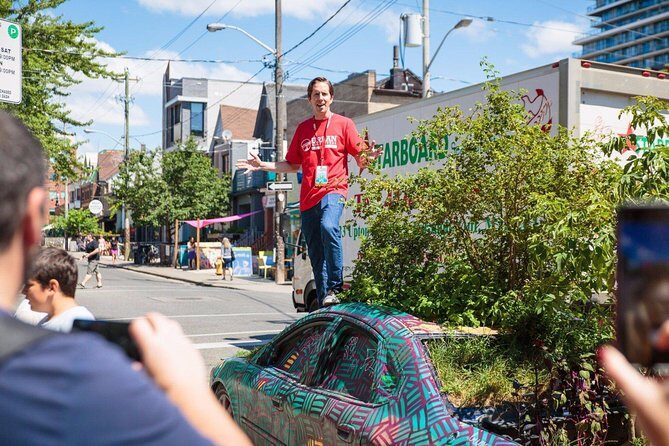
The strongest theme across the experience is guide quality. Many guides are described as friendly, funny, and genuinely tuned in to the group’s questions. If you ask about murals, immigration history, or neighborhood change, you’ll get more than a one-line answer.
Names that come up in real tour accounts include Kieran, Robert, Jackie, Aaron, Roydon, Jennifer, Thomas, Richard, and Jason. The common thread is storytelling that connects people to what they’re seeing, whether that means pointing out graffiti artists or explaining how communities preserve identity inside a big city.
One thing I especially like in this kind of walk is the way it can feel personal even in a small group. Some guides are described as adapting to families and keeping teenagers engaged, while others tailor the pace for couples and solo travelers.
Walking route basics: how to stay comfortable
This is a walking tour with a good amount of time on your feet, so wear comfortable shoes. You’ll move between Kensington Market’s side streets and Chinatown’s commercial streets, and the sidewalks can be busy.
Plan to bring a light layer. Toronto weather changes fast, and you’ll be out for a few hours. If you’re sensitive to crowds, go in with a calm mindset: these neighborhoods are active, and that’s part of the point.
Also, remember that the tour includes a café drink and a snack sample, but additional food and beverages are not included. If you know you’ll want a full meal after, keep your budget open.
Price and value: what you’re paying for
The price is $64.25 per person for about 3 hours. At first glance, that sounds like a normal guided walk. But the value comes from the combination: a local guide, a structured route through two major neighborhoods, and included stops for coffee/tea and a street snack.
You’re also paying for something harder to buy than a museum ticket: interpretation. A guide helps you understand why Kensington and Chinatown look the way they do, and how those neighborhoods changed over time. That turns random wandering into something you can actually use.
Small-group limits (maximum 12 travelers) also matter for value. It’s easier to ask questions, and the pace feels less like a conveyor belt.
If you want more control over the experience, there’s also an option to upgrade to a personalized private tour. That can be a good choice if your group has specific interests or mobility constraints that you want handled with more flexibility.
When this tour fits best (and when it doesn’t)
This tour is ideal if you want more than photo stops. It’s for travelers who like neighborhoods with real daily energy, and who enjoy the mix of history plus food plus street art.
It’s also a smart pick if you’re short on time. Kensington Market and Chinatown are close together, so you get two distinct worlds without spending the day in transit.
You might skip it if you’re looking for a mostly seated, low-walking experience. The tour is designed to move, and the main payoff is the walk itself.
Should you book the Kensington & Chinatown walk?
I’d book it if you want a fast, meaningful way to see Toronto through two of its most culturally shaped neighborhoods. The included coffee or tea and street food snack make it feel like you’re part of the neighborhood rhythm, not just circling attractions.
Choose this tour if you care about details: street art on brick walls, how Kensington grew from market roots into a creative bohemian area, and why Chinatown became Canada’s largest Chinese community hub. The experience is built to give you that context, plus practical restaurant and shopping tips you can actually use later the same day.
If you’re comfortable walking for a few hours and you want a small-group local guide, it’s a strong value at $64.25.
FAQ
How long is the Kensington & Chinatown walk?
It lasts about 3 hours.
Where does the tour start and end?
It starts at Dundas St West at McCaul St, Toronto, and ends at Dragon City Shopping Centre at the southwest corner of Spadina Ave and Dundas St West.
How many people are in the group?
The group size is capped at a maximum of 12 travelers.
What food and drink are included?
You’ll have a coffee or tea stop at a neighborhood café, plus you’ll sample a local street vendor snack.
Is the tour family-friendly?
Yes. It’s child-friendly, and children under 6 can join free of charge.
Can I cancel for a full refund?
Yes. You can cancel up to 24 hours in advance for a full refund.