Two neighbourhoods, one walk, big stories. If you want Toronto that feels lived-in, this Kensington Market and Chinatown route is a great way to connect street art + food to the communities behind it. I especially like that you start with a café break that frames what you’re seeing, then move into markets and streets where the culture shows up in shops, signs, and everyday habits.
I also like the size—max 12 guests—because you can actually ask questions and get practical guidance, not just a lecture. One thing to keep in mind: it’s a walking-focused tour for about 3 hours, so wear comfortable shoes and plan on being on your feet.
In This Review
- Key Things I’d Prioritize on This Tour
- Why Kensington Market + Chinatown in 3 Hours Feels Like Real Toronto
- Kensington Market: Coffee, Murals, Vintage Shops, and Immigrant Stories
- The Food Stop That Makes It Worth the Price
- Chinatown Walk: Big North American Community, Up Close
- What the Guides Do Right (And Why It Shows)
- Small Group Size and Timing: The Real Logistics That Matter
- Price: Does $57 Actually Match the Value?
- Responsible Tourism That’s More Than a Slogan
- Practical Tips Before You Go
- Should You Book This Kensington Market and Chinatown Walk?
- FAQ
- How long is the tour?
- What does the price include?
- How big is the group?
- Is the tour eco-friendly?
- Are children allowed?
- Where do we meet?
Key Things I’d Prioritize on This Tour
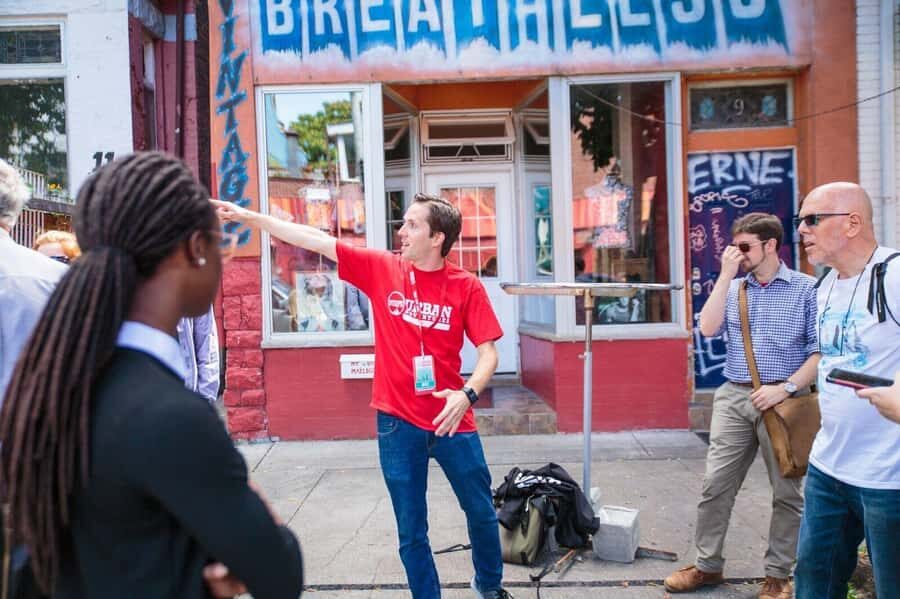
- Coffee or tea in Kensington Market to set context for the immigrant stories you’ll hear
- Mural stops with the meaning behind them, not just cool-looking walls
- A locally owned food vendor snack so you taste the neighbourhood the way locals do
- Chinatown beyond the tourist trail, with restaurant tips for later
- Carbon-neutral, B Corp-backed tourism, where your tour money supports local businesses
Why Kensington Market + Chinatown in 3 Hours Feels Like Real Toronto
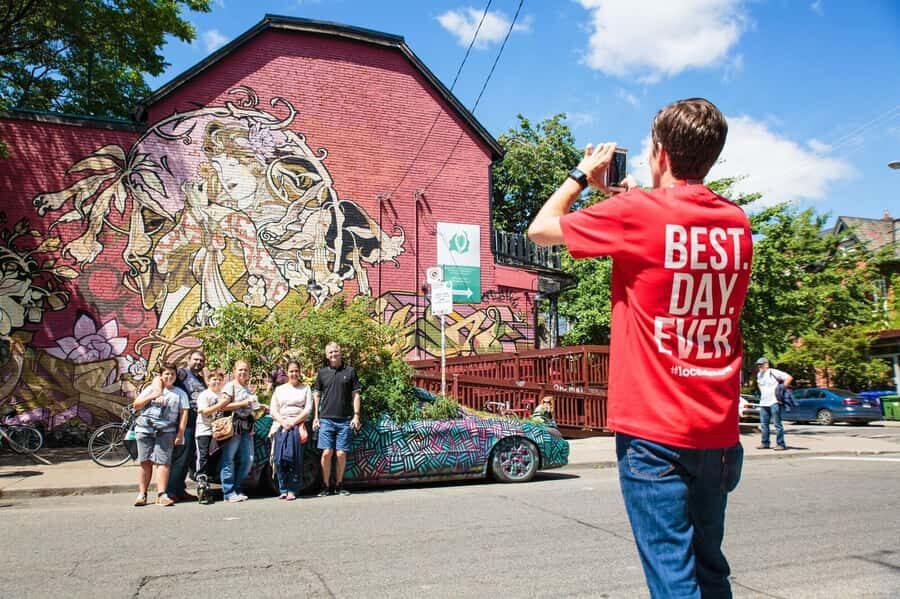
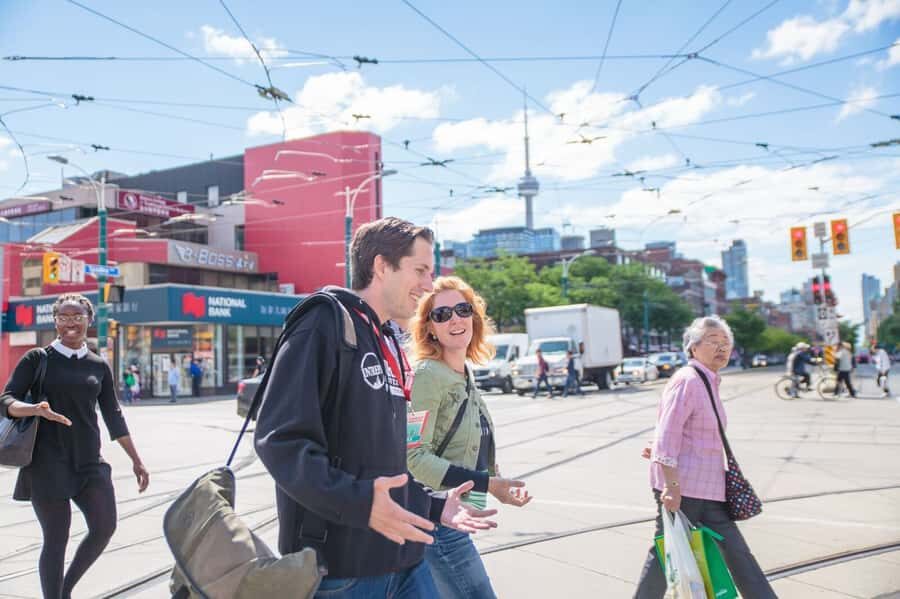
Toronto can feel split into zones. This tour braids two of the most identity-heavy neighbourhoods into one easy, walkable story: Kensington Market first, then Chinatown. You get the contrast right away. Kensington brings you close to street-level creativity—graffiti, murals, vintage stores, cafés, and small food counters. Chinatown brings density: packed sidewalks, familiar smells, and the kind of cultural rhythm you only notice when you slow down.
The best part, for me, is how the guide ties scenes to people. Instead of treating the neighbourhoods like photo backdrops, you’re hearing why these streets look the way they do—how communities formed, where they settled, and what locals still do today. That turns the walk from scenery into understanding.
And because it’s a small group (up to 12), the tour doesn’t feel like you’re trying to keep up with a crowd. You can pause. You can ask. You can look at a mural without the tour moving on before you’ve even registered it.
Other Kensington Market & Chinatown tours we've reviewed in Toronto
Kensington Market: Coffee, Murals, Vintage Shops, and Immigrant Stories
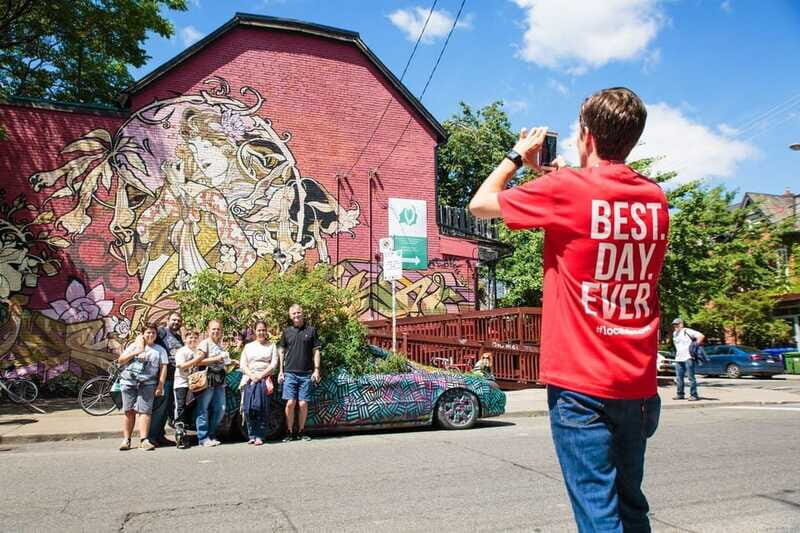
Kensington Market is the kind of place where you can get lost in five minutes—without getting bored. The tour starts in the area’s social engine: a local café where you’ll sip coffee or tea. This isn’t just a comfort break. The guide uses that moment to connect the area’s present-day vibe to its changing waves of immigrant communities. You’ll understand why the neighbourhood has that artsy, independent feel and how food and small business became the glue.
Then you’re walking through streets that mix different eras. You’ll pass graffiti-covered walls and murals, and the guide explains what you’re looking at—often the story is just as interesting as the artwork itself. I like this approach because it changes how you see the walls. You’re not guessing. You’re getting the context, so your photos end up meaning something.
Expect plenty of browsing energy too. Kensington is built for wandering: vintage shops, small boutiques, and cafés that pull you in by scent as much as by signage. You won’t be rushed through this part. The goal is to help you learn the neighbourhood layout so you can come back on your own and feel like you know where you are.
A practical note: if you like shopping, go in with curiosity, not a strict list. The fun is in stopping when something grabs your eye.
The Food Stop That Makes It Worth the Price
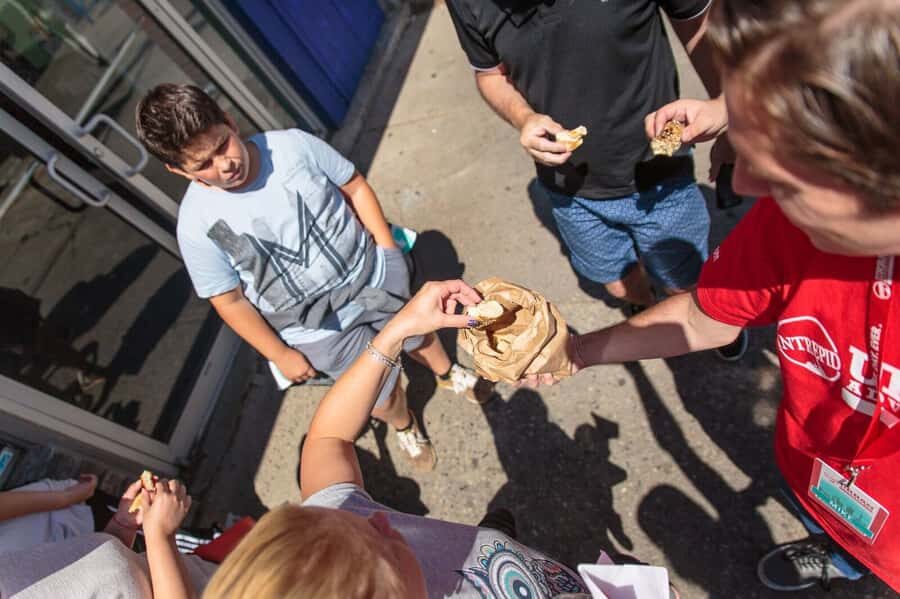
Food is a big part of why this tour lands well in value. You’ll get a snack from a local food vendor in Kensington Market. That one included tasting matters more than you might expect because it steers you toward what the neighbourhood actually eats—not just what’s easiest for visitors to find.
Also, the tour clearly separates what’s included versus what’s not. You’ll have coffee/tea included and a snack included, but additional food and drinks aren’t part of the price. That’s not a downside if you like choice. It means you can try one or two things without feeling locked into a preset menu. If you’re on a budget, you can keep it simple. If you’re food-motivated, you can plan your own next stop after the tour ends.
The guide also picks up what you liked and translates it into next-step advice. In practice, that can save you time later, because you’ll already know which streets and types of shops to aim for.
Chinatown Walk: Big North American Community, Up Close
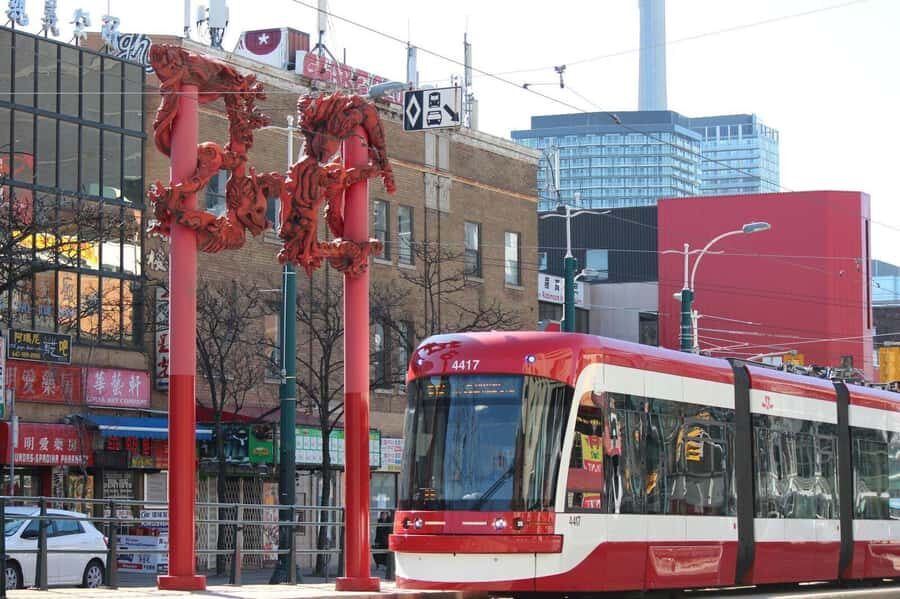
Chinatown in Toronto is one of the largest in North America, and on foot you feel that scale. The sidewalks are active, the storefronts are specific, and the food options are the kind you’d want to return to—not just pass by.
What I like here is that the guide focuses on more than surface landmarks. You’ll get insights that help you read the neighbourhood. That includes how cultural identity shows up in daily life: the rhythm of the streets, the mix of businesses, and the way the area functions for people who live nearby.
You’ll also come away with restaurant tips for later. That’s the real gift: the tour gives you a sense of where to go after the walk, instead of ending with only memories. If you plan a dinner or an easy late lunch near transit-friendly streets, these suggestions can help you make smart picks fast.
One more small benefit: walking through Chinatown right after Kensington makes the contrast clearer. Kensington teaches you how creativity and small business shape the street. Chinatown teaches you how longstanding communities shape the street. Together, you understand Toronto’s multicultural story as something you can literally walk through.
What the Guides Do Right (And Why It Shows)
Guides matter a lot on neighbourhood walks. Here, you’ll often notice how quickly the guide clicks with the group and turns the walk into a conversation. In past tours, named guides like Robert, Jackie, Sam, and Mike have been praised for doing exactly that: connecting with people, sharing stories that help you visualize the past, and keeping things interactive.
Even if you don’t know the guide in advance, the pattern is consistent: you’re not just hearing facts. You’re getting explanations that make the streets make sense, plus helpful direction for what to do next. One standout approach described in experiences is flexibility—like working around a very specific schedule when needed. That points to a guide who’s paying attention to real life, not just a fixed script.
Other shopping tours in Toronto



Small Group Size and Timing: The Real Logistics That Matter
This is a walking tour, about 3 hours, usually available in the morning. Morning works well for two reasons. First, the neighbourhood streets are active but not fully saturated with the midday rush. Second, you still have the rest of the day for independent exploring—especially if you want to shop, snack, or circle back for photos.
Because the group is limited to 12, you’ll have a better chance of keeping pace with the guide’s stops. And with an English-speaking local guide, you’re more likely to get questions answered clearly—especially when you’re trying to understand why a street, building, or sign looks the way it does.
Meeting point can vary depending on the option booked. That’s normal for these kinds of tours. Still, check your exact details before you leave your hotel so you’re not scrambling when your group meets.
Price: Does $57 Actually Match the Value?
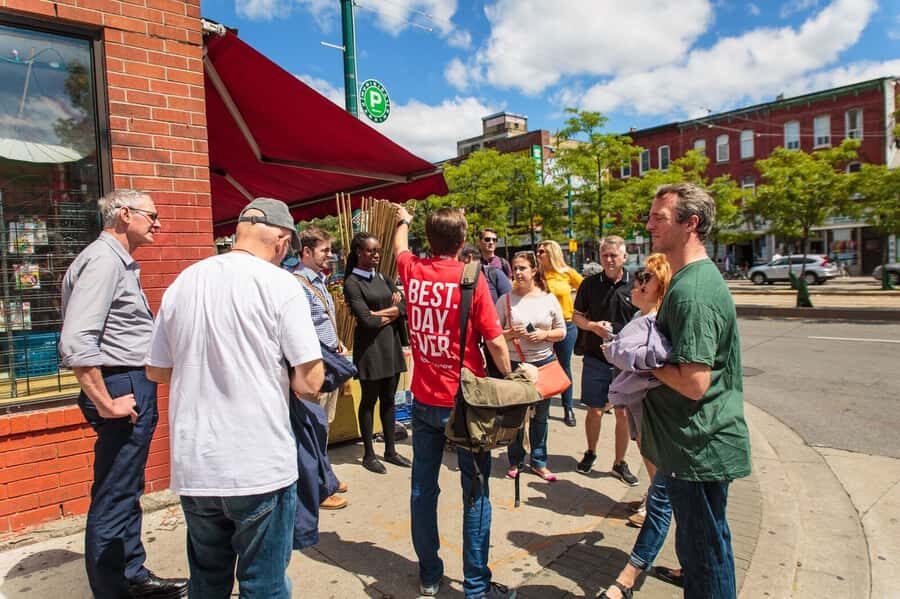
At $57 per person, this tour isn’t just a stroll with a guide. You’re paying for three concrete things:
- Local guidance in two neighbourhoods that are easy to misread if you only look at storefronts.
- Included comfort and fuel: coffee or tea plus a snack from a local vendor.
- Access to the “why” behind the murals and Chinatown street life, plus restaurant recommendations after.
What keeps it good value is that so much of what you’re paying for can’t be found in a map app. You can walk Kensington Market and Chinatown on your own, sure. But you won’t automatically get the connections between immigrant waves, murals, street culture, and where food fits into it. This tour compresses that learning into a single morning (or near-morning) walk.
If you’re a solo traveler, the small group size also helps. You’re not waiting around for a private guide, and you’re not fighting a huge crowd.
Responsible Tourism That’s More Than a Slogan
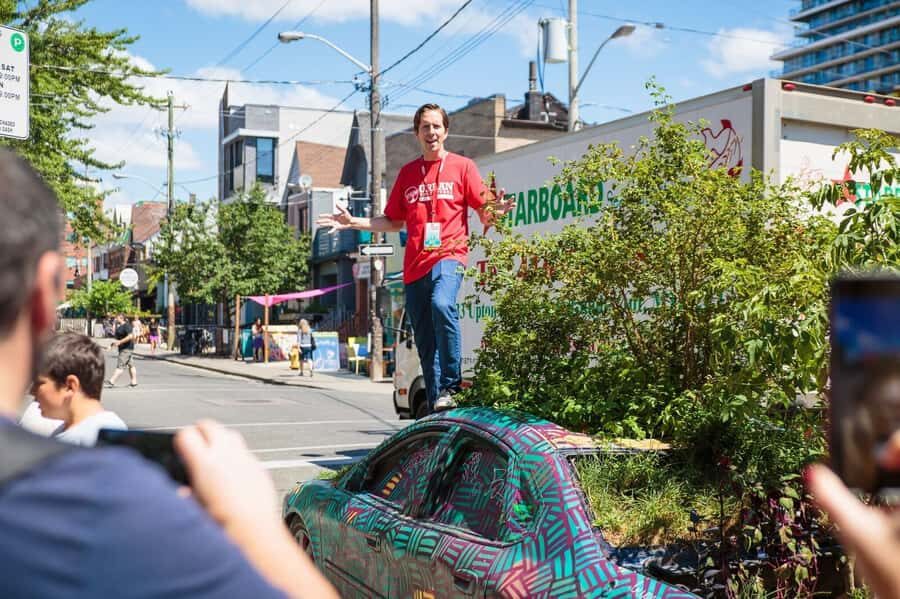
This tour is described as carbon neutral and run by a certified B Corp. That matters because it’s tied to a bigger promise: social and environmental impact standards, plus support for 100% locally owned businesses at stops.
You’ll feel that impact in a practical way. The café and vendor are local. The shopping stops are local. The goal is for your money to stay in the neighbourhood you’re learning about, rather than funneling back to a corporate middle layer. It’s a small thing, but on a tour like this, small things add up.
Practical Tips Before You Go
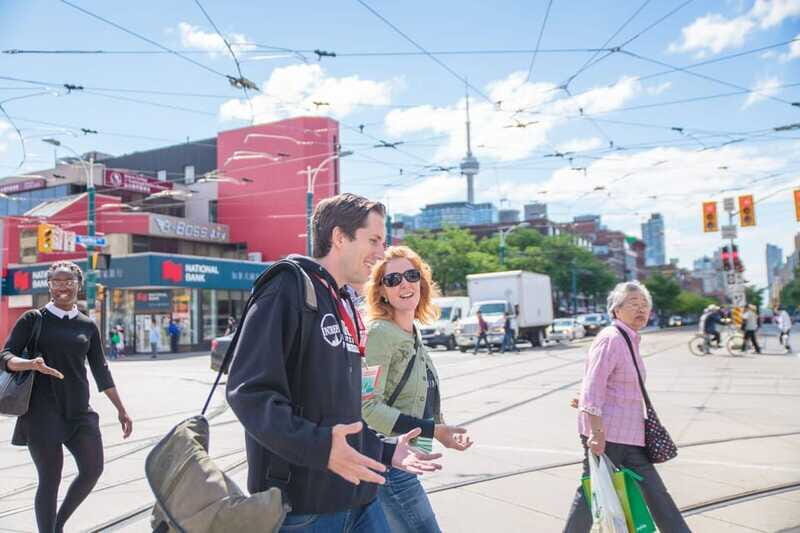
- Wear comfortable shoes. This is a walking tour, and Kensington especially rewards steady pace.
- Go with a flexible hunger level. You have coffee/tea and a snack included, but additional food is on you.
- If you’re traveling with kids, children aged 6 to 11 are welcome, as long as they’re ready for walking and exploration.
- The tour is in English, and private group options are available if you want a quieter setup.
Should You Book This Kensington Market and Chinatown Walk?
Book it if you want Toronto that feels specific and human. This is the right choice when you care about more than landmark photos—when you want murals explained, immigrant history tied to what you see, and food choices that match the neighbourhood rather than generic tourist lists.
Skip it only if you’re looking for a long museum-style tour or you dislike walking for about 3 hours. Also consider passing if you prefer heavily scheduled, sit-down meals; this format is more street-forward than restaurant-forward.
If you’re the type who likes to return to places later, this tour is a strong warm-up. You’ll leave with a clearer sense of where things are, what to look at, and what to try next—so your second round through Kensington Market and Chinatown feels easier and more rewarding.
FAQ
How long is the tour?
The tour duration is 3 hours, usually available in the morning.
What does the price include?
It includes a guided walking tour of Kensington Market and Chinatown, an English-speaking local guide, coffee or tea at a local café, and a snack from a local food vendor.
How big is the group?
The tour is a small group experience with a maximum of 12 guests, which helps keep it personal.
Is the tour eco-friendly?
Yes. It’s described as carbon neutral and run by a certified B Corp, supporting social and environmental impact standards.
Are children allowed?
Yes. Children aged 6 to 11 are welcome as long as they’re ready for walking and exploring.
Where do we meet?
The meeting point may vary depending on the option booked, so you’ll want to confirm the exact location for your booking.