REVIEW · TORONTO
E-bike Toronto’s Dynamic Neighbourhoods
Book on Viator →Operated by Toronto Bicycle Tours · Bookable on Viator
Toronto makes sense on an e-bike. This 3.5-hour ride strings together Toronto’s biggest contrasts—cooler streets, dense communities, arts corridors, and quiet money—so you feel the city’s momentum without burning your legs. I especially like the e-bike support for covering real ground, and the small group setup that makes it easier to ask questions as you roll.
One thing to keep in mind: e-bikes are still machines. A few past riders noted there can be battery changes or maintenance along the way, though the guides handled it quickly and kept the day on track.
In This Review
- Key things that make this tour work
- Why this e-bike route feels like Toronto, not just a highlight list
- Price and what you really get for $109.92
- Meeting at 124 St Patrick St and how the ride stays manageable
- Lower Ossington’s rise: from forgotten blocks to global buzz
- St. James Town: a world packed into one block
- Bloor Street Cultural Corridor and Graffiti Alley: art with two speeds
- Rosedale’s fashionable calm and Ontario Place’s controversial shift
- CAMH and Trinity Bellwoods: mental health progress meets green-space life
- What to wear, how to pace yourself, and why weather matters
- Who this tour suits best (and who should choose another option)
- The guides: what riders praise most, and why it matters
- Should you book E-bike Toronto’s Dynamic Neighbourhoods?
- FAQ
- How long is the e-bike tour?
- What does the tour cost?
- Where do I meet for the tour?
- Are helmets and bikes included?
- Are there entry fees for the stops?
- How big is the group?
- What if the weather is poor?
Key things that make this tour work
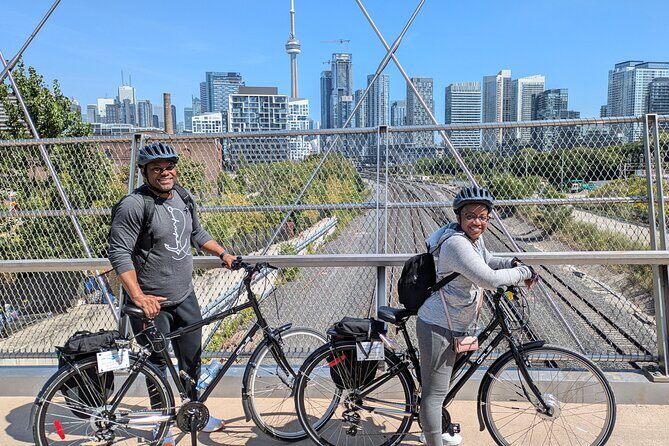
- Small group of up to 8: less chaos at intersections and more time for real chat.
- Pre-ride comfort check: the guide helps you get settled on the bike before you hit busier roads.
- Free-entry stops: every main stop is listed as admission ticket free.
- Neighborhood variety in one loop: from Lower Ossington’s rise to Trinity Bellwoods’ park culture.
- Included water and snack: a bottled drink and granola bar keep you rolling through the ride.
Why this e-bike route feels like Toronto, not just a highlight list
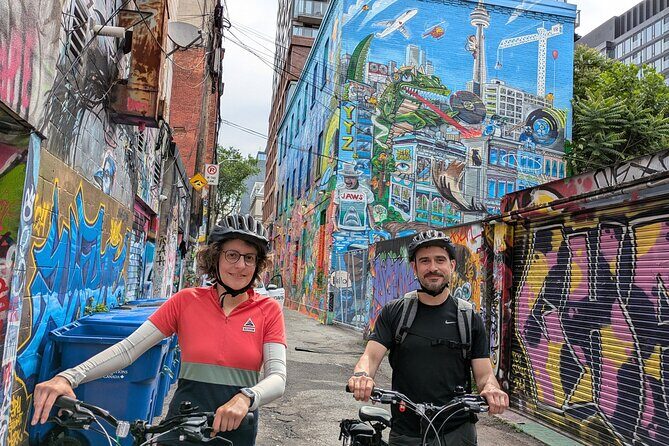
Toronto can be a tough city to understand just by sightseeing from the curb. This tour uses an e-bike to change your pace: you’re moving fast enough to connect different areas, but slow enough to notice street life, storefronts, and the mood shift block to block.
What I like about the “dynamic neighbourhoods” idea is that it isn’t only about pretty views. You see how places rebrand, how communities solve problems, and how public spaces evolve—all without needing a car.
The 3 hours 30 minutes duration also matters. It’s long enough to feel like a real morning out, yet short enough that you’re not exhausted before you finish the story.
Other bike tours we've reviewed in Toronto


Price and what you really get for $109.92
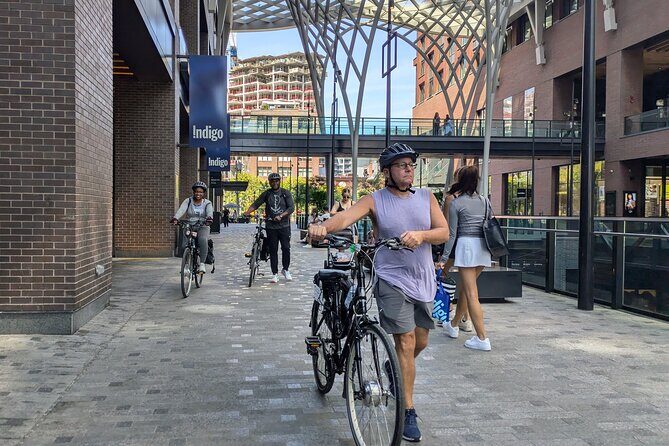
At $109.92 per person, you’re paying for more than a bike rental. You get the guided route, use of bicycle, helmet, bottled water, and a granola bar snack, plus the time to hit multiple neighbourhoods without figuring out transit logistics yourself.
Here’s the value math that matters in real life: e-bikes let you cover distance with less fatigue, so your brain stays engaged. Instead of spending the day counting hills or waiting for trains, you focus on what you’re seeing and listening to the guide.
Also, the tour lists admission tickets as free at the stops. That removes a common “gotcha” where you think a city walk will be low-cost but end up paying for attractions.
And because it’s often booked about 20 days in advance on average, it’s a good idea to reserve early when you find a good time window.
Meeting at 124 St Patrick St and how the ride stays manageable
The tour starts and ends back at 124 St Patrick St, Toronto. That’s a practical setup because you can arrive by public transportation without a big “how do I get there” headache, and then you’re not stuck on the far end of town at the end of your ride.
A big part of making e-bikes feel easy is the first few minutes. Multiple riders highlighted that the guide checks in on comfort before heading onto road sections. That means you’re not just handed a bike and told to figure it out.
Group size helps here too. With a maximum of 8 travelers, it’s easier for the guide to spot if someone is unsure, adjust the spacing, and keep everyone together through traffic patterns.
If you’re worried about riding in a city, this is the kind of tour where the “setup moment” can make or break your confidence.
Lower Ossington’s rise: from forgotten blocks to global buzz
The first stop, Lower Ossington, is all about transformation. You’re shown how a mostly overlooked area became a destination by building a reputation over time—street by street.
What’s useful here is the contrast. You’re not just looking at new trendy spots; you’re learning the idea of how neighbourhood identities shift. Places often become “cool” for reasons that start small: food, music, creative storefronts, and the people who keep returning.
A typical 20-minute stop is long enough for a quick orientation—where you are, why the street developed the way it did, and what to notice on your own walk later.
If you like to travel like a student, Lower Ossington gives you a framework: watch what changes, then ask who benefits, and who gets pushed out.
St. James Town: a world packed into one block
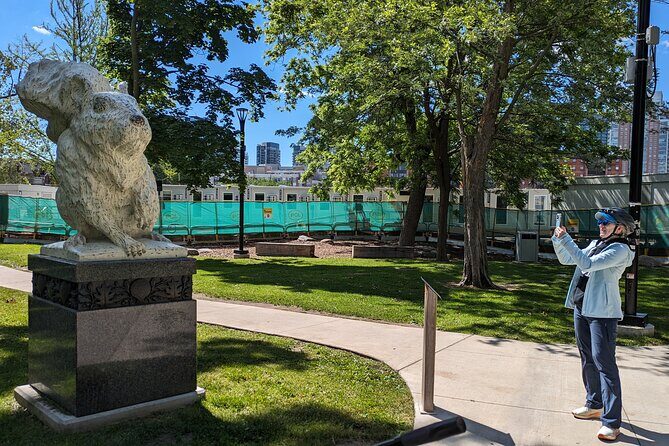
Next comes St. James Town, described as a “world within a block.” This neighbourhood is known for its high density and cultural variety, and the story focuses on how people work together to address everyday needs like social services, food access, and healthcare.
That angle is valuable because it pushes past surface-level “neighbourhood vibes.” Instead of treating density as just a statistic, the tour frames it as a community challenge and a community skill.
The stop lasts about 20 minutes, which works well here. You get enough time to take in the scale and talk about what dense living changes—how services get organized, how cultures blend, and how daily life looks different than in lower-density areas.
Possible drawback: because the neighbourhood is so compact, you’ll want to keep your attention on what’s being explained rather than trying to take photos constantly. It’s the kind of stop where context makes the visuals sharper.
Other cycling tours in Toronto

Bloor Street Cultural Corridor and Graffiti Alley: art with two speeds
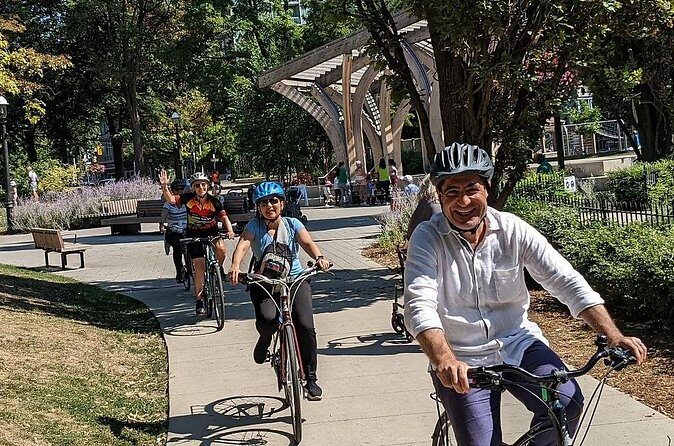
Then you hit Bloor Street Cultural Corridor, Toronto’s arts-and-culture strip. Expect a mix of museums, cultural centres, performance spaces, and restaurants. In other words, it’s not only art for art’s sake—you’ll see how culture drives a whole local economy.
This stop is useful because it helps you separate two things: cultural institutions (where art becomes part of civic life) versus everyday cultural consumption (where art shows up in meals, posters, and performances you can catch without planning a week ahead).
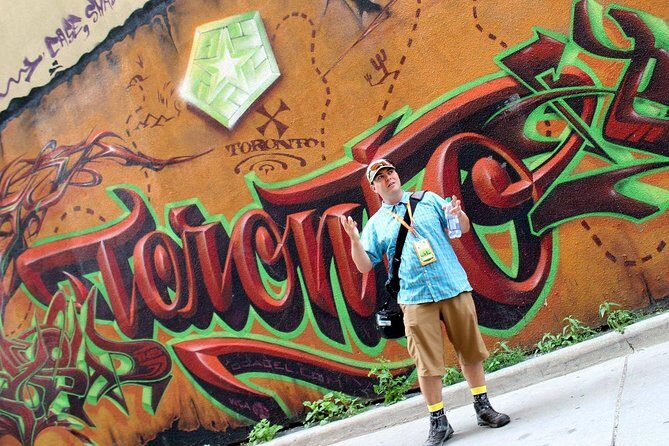
After that, you go to Graffiti Alley for the street-art snapshot: the city’s current cultural mood, captured in paint, stickers, murals, and layers of expression.
The 15-minute timing works because you’re not meant to treat this like a single artwork museum. You’re looking at a living conversation—what’s being said now, how it visually interrupts the city, and how creativity changes fast when the neighborhood is actively breathing.
If you love photography, this is the part where you’ll probably pause more. If you hate stopping, you’ll still get plenty of time to glance, learn, and roll.
Rosedale’s fashionable calm and Ontario Place’s controversial shift
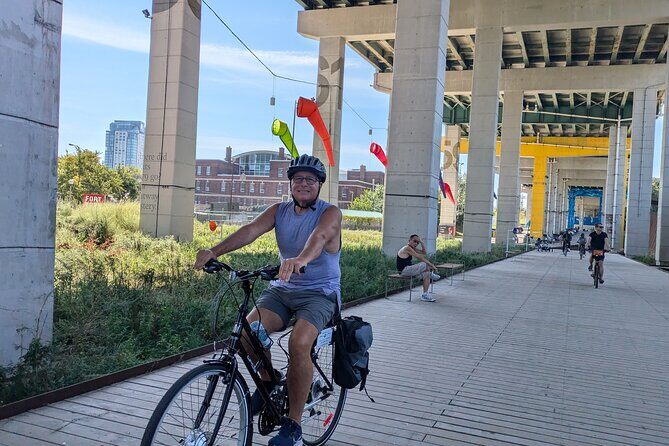
Rosedale is a sharp turn in tone. It’s described as Toronto’s most fashionable address—affluent, quieter, and tied to picturesque parkland—yet it’s also changing in subtle ways. That “more than meets the eye” idea matters: even a calm neighbourhood can be in motion.
This is a good stop for understanding how Toronto’s wealth and green space connect. You’ll see the difference between an area that’s famous for elegance and an area that’s famous for evolution. Same city, totally different rhythms.
About 20 minutes here gives you time to notice the layout and the feeling of space, which can be hard to grasp if you only ride through quickly.
Then you shift to Ontario Place & Trillium Park, an iconic waterfront venue in the middle of transformation and controversy. Waterfront places often become symbols: of tourism promises, big plans, and public debate. This stop is built to help you read what people argue about and why it matters to the city’s future.
If you’re the type who likes to understand not just what exists but what’s being fought over, this is a smart pairing. Rosedale shows the quiet version of change. Ontario Place shows the loud version.
CAMH and Trinity Bellwoods: mental health progress meets green-space life
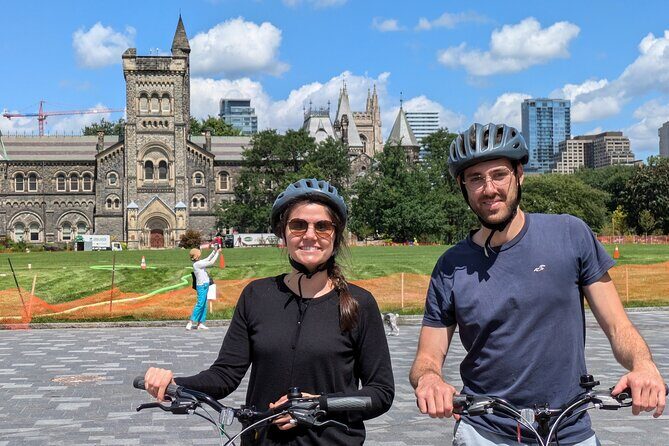
CAMH is where the tour turns thoughtful. You’ll explore Toronto’s progressive attitude toward mental health and the groundbreaking advancements made by CAMH. This isn’t a generic “mental health awareness” stop. It’s positioned as part of the city’s real-world approach, where care systems, research, and advocacy shape what people experience.
The 15-minute stop is short, so treat it like a guided orientation: get the big ideas, connect the dots, and leave with a better vocabulary for what you’ll hear elsewhere in Toronto.
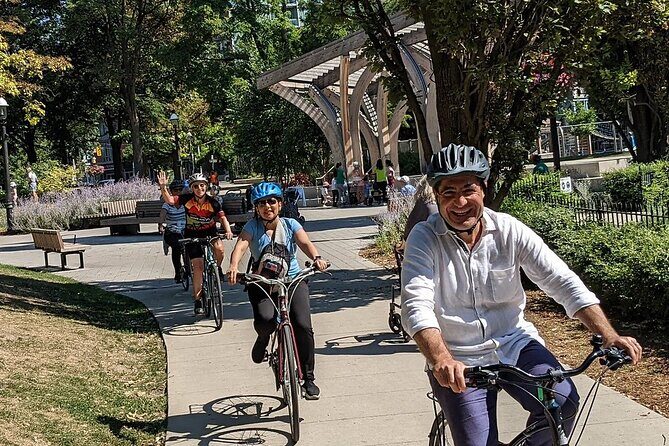
After that you end at Trinity Bellwoods, a significant green space and cultural heartbeat that keeps evolving with the city’s changing needs. This is where you feel Toronto as a place people use, not only a place they tour.
The 10-minute stop is brief, but it works because it gives you a “reset moment” after more serious stops. You’ll see how parks operate as meeting spots, lifestyle anchors, and community stages—without needing any ticket at all.
What to wear, how to pace yourself, and why weather matters
This experience requires good weather. That’s not just a comfort detail—it changes the whole ride. If conditions are rough, it affects safety and how pleasant the route feels on roads and paths.
Plan to dress for riding: comfortable shoes you can move in, and layers in case Toronto’s temperature swings during your morning. Even with an e-bike doing the work, you’ll still feel like you’re out and about, not sitting in a chair.
Also, you’re moving through multiple neighbourhoods in one go. That’s great for efficiency, but it means you’ll want to manage your energy. The included water and granola bar help, so you can skip the frantic search for a snack mid-ride.
Who this tour suits best (and who should choose another option)
This is a strong match if you want to see Toronto through neighbourhood stories instead of stacking museums all day. You’ll like it if you care about how communities change—how they build reputations, how they handle dense living, how art shows up on walls, and how public spaces evolve.
It’s also a good fit if you’re comfortable with the idea of city riding and want the guide to handle the routing. The tour notes that most travelers can participate, and the pre-ride comfort check is a big part of making that happen.
You might want a different plan if:
- You’re looking for long “sit down” museum time.
- You dislike bike travel in general, even at a moderate pace.
- You’re visiting in less-than-ideal weather windows and can’t be flexible with dates.
The guides: what riders praise most, and why it matters
Riders consistently point to one thing: the guide sets you up for success. One guide named Ryan is highlighted for making sure everyone was comfortable on the bikes before riding on roads, plus bringing a strong grasp of what each neighbourhood represents.
That pre-ride comfort step is not a small detail. It reduces stress fast. When you feel stable early, you ride more attentively the whole time, and you actually hear the explanations instead of thinking about your footing.
There’s also a note about a guide originally from Mexico City who was thoughtful and attentive, which speaks to how guides can personalize the day. When the group is small and the guide can read the room, the tour tends to feel less scripted and more like a guided walk with better wheels.
Finally, even with great bikes, there can be hiccups. Some riders mention maintenance or battery changes during the tour. The key here is that the guide handled it efficiently, which is what you want from a day like this—problems solved quickly, not turned into a long delay.
Should you book E-bike Toronto’s Dynamic Neighbourhoods?
If you want a fast, meaningful way to understand Toronto’s contrasts, I’d book it. The combination of e-bike coverage, free-entry stops, and neighbourhood storytelling is a rare mix: you get variety without chaos.
It’s especially worth it if your time is limited and you don’t want to spend your day figuring out transit while trying to learn the city. For $109.92, the included bike, helmet, water, and snack make it feel like a day with a plan—not just a rental.
The main reason to pause is weather dependency. If Toronto is giving you grey skies and rain, you may need a date adjustment. If the forecast looks solid, this tour is a practical, enjoyable way to get your bearings—and your brain—around real Toronto.
FAQ
How long is the e-bike tour?
It runs for about 3 hours 30 minutes.
What does the tour cost?
The price is $109.92 per person.
Where do I meet for the tour?
The meeting point is 124 St Patrick St, Toronto, ON M5T 2X8, Canada, and the tour ends back there.
Are helmets and bikes included?
Yes. The tour includes use of the bicycle and a helmet.
Are there entry fees for the stops?
The stops listed are admission ticket free.
How big is the group?
The tour has a maximum of 8 travelers.
What if the weather is poor?
The tour requires good weather. If it’s canceled due to poor weather, you’ll be offered a different date or a full refund.