REVIEW · TORONTO
Downtown Toronto Bike Tour
Book on Viator →Operated by Toronto Bicycle Tours · Bookable on Viator
Downtown Toronto by bike is a fast route to real neighborhoods. This 3.5-hour small-group tour mixes major sights with street-level stops, guided by a local who connects landmarks to how the city works. When the group paused for stories and photos, guides like Ryan and Mariana kept the pace easy and the route feel manageable.
I love the way the tour is built for variety: you hit icons like CN Tower, then you cut over to places such as Chinatown and Kensington Market where you can actually feel daily Toronto life. I also like the practical setup—bikes and helmets are included, and you get water plus granola bars to keep energy steady during the ride.
My one caution is simple: downtown streets mean you’re sharing space with cars and pedestrians. Even with a careful guide, if city cycling feels stressful to you, plan to choose your comfort level honestly in the booking notes.
In This Review
- Key highlights at a glance
- Riding downtown Toronto without losing your day
- Meeting near Village by the Grange: the start matters
- CN Tower first: a skyline moment with context
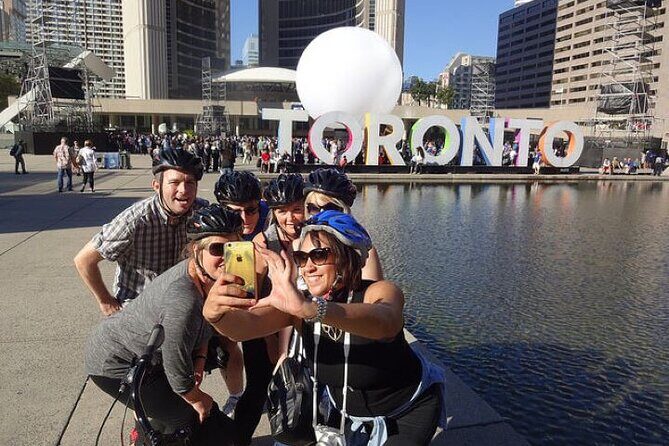
- Chinatown and City Hall: layers of Toronto in one ride
- Financial District to Art Gallery: seeing the in-between
- Kensington Market and St. Lawrence: the breaks that make it worth it
- Entertainment District and Eaton Centre: downtown energy, controlled pace
- Sugar Beach: the waterfront reset
- Hockey Hall of Fame area: sports culture on a bike route
- How the guides keep you together (and safe)
- Timing, pace, and why you’ll want to plan a second visit
- Price and value: what $93.35 buys you
- What to expect from the route if you’re bringing kids
- Possible drawbacks to plan for
- Who this bike tour fits best
- Should you book Downtown Toronto Bike Tour?
- FAQ
- How long is the Downtown Toronto Bike Tour?
- What’s included in the price?
- Where do I meet, and does the tour end nearby?
- Is the route difficult?
- Are there admission fees at the stops?
- What happens if the weather is poor?
Key highlights at a glance
- Small group size (max 12) for a more personal, easier-to-follow ride
- Easy route for all riders plus help from the guide to keep you together
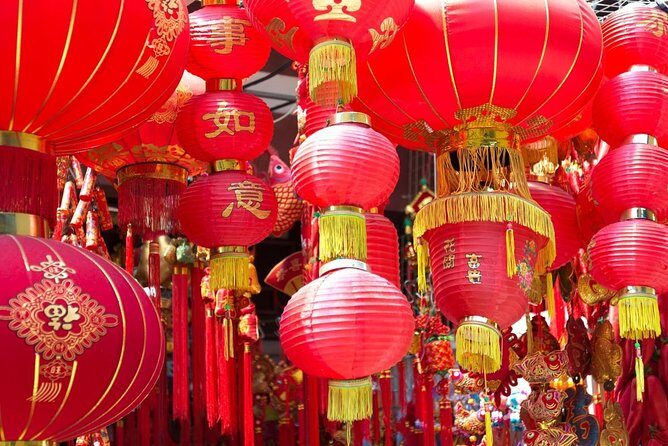
- Market stops at Kensington Market and St. Lawrence Market with time to reset
- Major downtown icons including CN Tower, Toronto City Hall, and the Entertainment District
- Built-in energy with water and granola bars during the tour
- Photo moments along the way (many guides take pics and share them later)
Riding downtown Toronto without losing your day
Toronto can eat time fast. Streets take longer than you expect, and public transit can feel like planning a route just to stand still. This bike tour helps you do two useful things at once: cover a big chunk of downtown and still get real context for what you’re seeing.
The format is also friendly. You’re out for about 3 hours 30 minutes, and the route is described as easy enough for most riders. That matters because downtown Toronto is not flat, slow, and empty. You’re cycling through an active city where the guide’s job is to keep the group moving in a smooth line and choose safer moments to cross and turn.
Other bike tours we've reviewed in Toronto


Meeting near Village by the Grange: the start matters
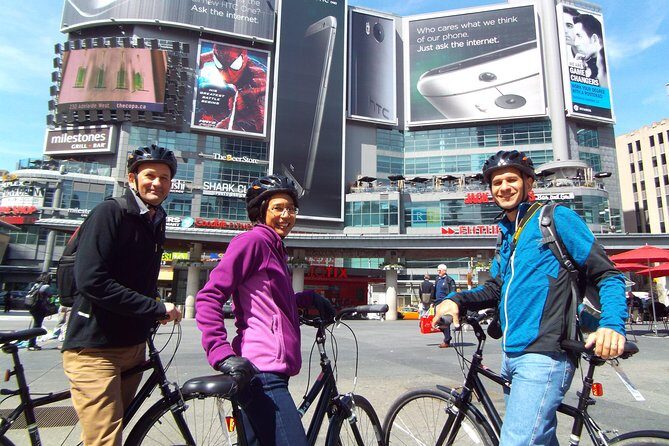
You meet near the Village by the Grange area, at 124 St Patrick St. The tour ends back near the same meeting point, so you’re not stuck figuring out where to go next.
The “setup” part is included: you’ll get a bicycle and helmet, plus water and granola bars. That sounds basic, but it changes how the tour feels. Instead of spending time sorting gear, you start the ride with one less variable.
And because it’s a small group capped at 12 travelers, you don’t end up separated into a slow conga line. You’re close enough that the guide can keep everyone aware of turns and stopping points.
CN Tower first: a skyline moment with context

The tour kicks off at CN Tower. This is a smart choice because it gives you a reference point fast. Even if you’ve seen the tower in photos, standing nearby (and hearing what the guide connects to Toronto’s growth) helps the rest of the ride make more sense.
The stop includes guide stories about Toronto’s history, culture, and architecture, and that theme repeats throughout the route. You’re not just passively looking—you’re learning how the city explains itself.
One practical upside: this is early in the tour. If you’re new to biking in traffic, starting with a big, obvious landmark can help you mentally lock into the route before it gets busy.
Chinatown and City Hall: layers of Toronto in one ride
After CN Tower, the tour heads to Chinatown. This is where Toronto shifts from skyline spectacle to street culture. You’ll hear stories tied to the neighborhood’s identity and how it fits into the wider downtown pattern.
Next up is Toronto City Hall. City Hall is a useful stop because it shows how the city plans itself—government buildings are where you can feel how decisions shape streets, public space, and the overall “rules” of the downtown.
One theme you’ll likely notice is that the guide keeps connecting architecture to everyday life. Downtown isn’t just offices and attractions. It’s also people, communities, and systems.
Financial District to Art Gallery: seeing the in-between

The route then moves through the Financial District. This is a great stretch to ride because it’s straight-line efficient, and it helps you understand how downtown organizes around business and commuter flow.
From there, you reach the Art Gallery of Ontario (AGO) area. The stop is short, but it’s meaningful because it ties together two kinds of city pride: work and art. Even if you don’t go inside on this tour, you’ll get the story framework that makes a museum visit later feel more intentional.
As a practical note, these stretches also test how you feel about city traffic. Reviews highlight that the streets can feel stressful with cars and pedestrians. The good news is that the guide is responsible for directing the group, and the route is described as easy—so you’re not doing hard navigation alone.
Other cycling tours in Toronto
Kensington Market and St. Lawrence: the breaks that make it worth it
The tour includes intentional pauses at two major market areas:
- Kensington Market (a short stop)
- St. Lawrence Market (also a short stop)
The time is brief—think about 5 minutes at each market—so this isn’t a “market tour.” It’s more like a taste and a map in motion. The guide’s job here is key: you’re meant to leave knowing what to return to and why.
This is where biking becomes especially efficient. Markets are sometimes spread out across neighborhoods, and getting there by transit without planning can take too long. On a bike, you’re able to jump between distinct areas and still stay on schedule.
The tour also encourages you to grab something to eat, but food is own expense. That’s useful: you can choose based on your tastes and diet rather than being pushed into a single option.
Entertainment District and Eaton Centre: downtown energy, controlled pace
Next you’ll roll into the Entertainment District and pass through the area around CF Toronto Eaton Centre. Both are high-visibility stops, and that matters if you’re only here for a short visit.
Eaton Centre is also helpful because it anchors the shopping-and-downtown lifestyle side of Toronto. Even if you’re not shopping, it gives you a reference point for how the city pulls people in from all directions.
The Entertainment District stop is another “feel it in person” moment. You’re seeing the place where schedules, crowds, and nightlife overlap. The guide’s pacing keeps it manageable, but this is still active downtown, so keep your expectations realistic: you’re not doing a quiet ride through a museum district.
Sugar Beach: the waterfront reset
One of the best moments on a downtown bike tour is often when you get a break from the dense street grid. Here, that reset comes at Canada’s Sugar Beach.
Waterfront stops are valuable because they change the sensory mix. Downtown can get repetitive fast—same blocks, same building shapes, same rhythm. A waterfront pause helps you process the city you just covered.
Even if you don’t plan to spend long here, the stop gives you a better sense of how Toronto balances intense downtown with open-air public space.
Hockey Hall of Fame area: sports culture on a bike route
The tour highlights include the Hockey Hall of Fame area. This is a fun addition because it keeps Toronto’s identity in the mix. You’re not only learning about architecture and neighborhoods—you’re also seeing how the city markets itself through sport and shared cultural pride.
Even if you don’t linger, placing it on a biking route means you connect it to the surrounding districts instead of treating it as a separate day-trip attraction.
How the guides keep you together (and safe)
The biggest pattern from the guide-driven experiences is safety-first group control. Multiple named guides—like Ryan, Oscar, Mike, Carlos, Consuelo/Consuella, and Isabella—are described as patient and careful, with an emphasis on keeping the group comfortable while riding.
That doesn’t mean downtown becomes risk-free. It means you’re not just thrown into traffic and told good luck. The guide’s directions and the group size help a lot.
I also like that the tour is designed for an easy ride, and that the company asks about your comfort with city riding during checkout. That’s one of those small details that improves the day. If you flag you’re unsure, you’re more likely to get a pace that fits.
Timing, pace, and why you’ll want to plan a second visit
Because the tour is about 3.5 hours, it’s a “first look” experience. You’ll get a lot of highlights, but you won’t get the kind of stop-and-stare time you’d get if you planned to spend hours at each landmark.
That’s not a flaw. It’s actually the point. By the time you’re cycling through Kensington Market and St. Lawrence Market, you should already be thinking: Which one do I want to walk through later?
Many guides take photos along the route and share them afterward. That can be a nice souvenir. One caution from real experiences: if you want those photos quickly, don’t assume they’ll appear instantly. It can take a few days.
Price and value: what $93.35 buys you
At $93.35 per person, you’re paying for more than just cycling time. You’re paying for:
- A local guide leading the route
- Bike and helmet use
- Water and granola bars
- A small-group format capped at 12
- Short stops at a cluster of major downtown areas without you mapping everything yourself
Compared to piecing together multiple rides, entry tickets, and transit hops, the price can feel fair—especially if you’re trying to make the most of limited time. The biggest “value” comes from compression: you’re seeing downtown as a connected system rather than as unrelated stops.
One more value note: the itinerary lists Admission Ticket Free for the stops included in the schedule (like CN Tower, Chinatown, City Hall, and others). That can reduce the usual surprise costs you get with city tours—though for any attraction not explicitly covered, you’d still handle spending based on what you choose to do during or after the ride.
What to expect from the route if you’re bringing kids
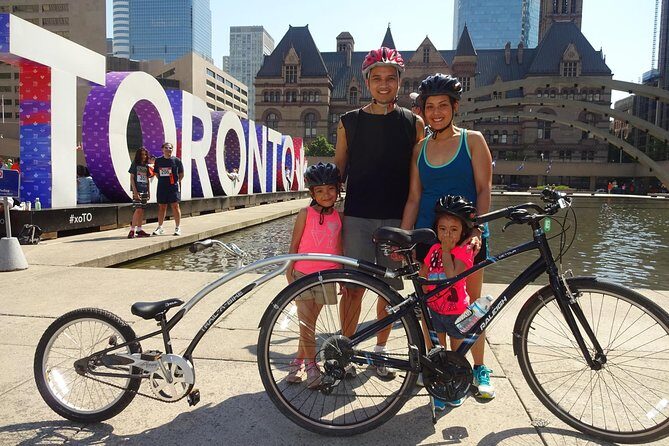
If you’re traveling with family, the tour notes specific options for younger riders: ages 1–4 ride in a child seat on the back of an adult bike (limited availability), and ages 5–7 can ride on a trail-a-bike attached to an adult bicycle (also limited). You have to advise the ages at booking, and it helps to do that early because availability is limited.
That flexibility is a real plus for downtown travel. Many big-city bike tours either exclude kids or make it complicated. Here, there’s at least an option structure—just don’t wait until the last second.
Possible drawbacks to plan for
This tour is built for ease, but downtown has its own reality. The most common pressure points are:
- Traffic and crowds can make city cycling feel stressful at times, even with good guiding
- Short stop times at markets mean you’re sampling, not fully exploring
- The start location can be a little tricky if you’re unfamiliar with the area, and check-in coordination might vary on busy days
Also, one operational issue appears in the feedback: when reservations didn’t line up correctly, it caused problems for at least one group. That’s not the normal expectation, but it’s worth taking seriously. If you book, double-check your confirmation details and plan to arrive with a little buffer rather than right on the dot.
Who this bike tour fits best
This is a strong fit if you want:
- A fast way to build familiarity with downtown Toronto
- A small-group experience instead of a huge bus tour
- A route that mixes major landmarks with neighborhood texture
- Local stories tied to architecture, culture, and what makes Toronto run
It’s also a good choice early in your trip. You’ll leave with a mental map for where to go next—especially for the two market areas.
Should you book Downtown Toronto Bike Tour?
I’d book it if you want an efficient, guided way to understand downtown Toronto in one hit. The best reasons are the combination of small-group size, included gear, and a route that keeps moving between landmark Toronto and neighborhood Toronto.
Skip it—or at least think hard—if you know you don’t like cycling in city traffic or if you need long stop times at each attraction. This tour is designed for a “taste plus direction” style day.
If you’re comfortable riding in busy streets and you’re ready for a guided sampler of the city, this is one of the cleaner ways to make downtown feel less confusing fast.
FAQ
How long is the Downtown Toronto Bike Tour?
The tour runs about 3 hours 30 minutes.
What’s included in the price?
The tour includes a local guide, use of a bicycle and helmet, granola bars, and water.
Where do I meet, and does the tour end nearby?
You meet at 124 St Patrick St, Toronto, ON M5T 2X8, and the tour ends back near the same meeting point.
Is the route difficult?
The route is described as easy and suitable for all riders, but you should note your comfort level with city riding at checkout.
Are there admission fees at the stops?
The itinerary lists Admission Ticket Free for several of the stops shown on the route.
What happens if the weather is poor?
The tour requires good weather. If it’s canceled due to poor weather, you’ll be offered an alternative date or a full refund.