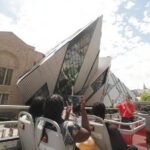
Toronto has a way of hiding great clues. This private, guided walking tour is designed to help you get oriented fast, with a route you can shape around what you care about most. I like the customizable format because it’s not locked into one strict script, and you can steer it toward history, art, or food.
Two things I really like: you get a private guide who can keep the walk at your pace (including adapting when weather turns), and the stops mix major landmarks with quieter, story-filled streets and markets. One consideration: because the tour is tailored, the exact emphasis can shift, so it’s best if you’re comfortable with a little give-and-take rather than expecting a rigid, hour-by-hour checklist.
In This Review
- Key highlights at a glance
- A Toronto walking tour that actually helps you plan
- Customizable route: steering toward history, art, or food
- Private by design: what you gain with your own guide
- Where you start at Buddies in Bad Times (and why that’s smart)
- Stop 1: The iconic tower area, and what it’s for beyond photos
- Stop 2: A downtown shopping hub that links to PATH and Nathan Philips Square
- Stop 3: Graffiti alley and the street art scene you can read
- Stop 4: A campus with architecture and an education story (Oxford-like appeal)
- Stop 5: A classic market where beatnik roots meet modern shopping
- Stop 6: An inclusive queer neighborhood for local businesses and long-running identity
- Stop 7: The original big market for unique food-focused exploring
- Price and value: what $37.47 buys you in real time
- When to go: morning vs afternoon and how to handle Toronto weather
- Practical tips that make this walk easier
- Who this walking tour is best for
- Should you book this Toronto custom walking tour?
- FAQ
- How long is the Toronto walking tour?
- What does the tour cost?
- Is this a private tour?
- Where does the tour start and end?
- Do I choose a morning or afternoon start time?
- What is the cancellation policy?
Key highlights at a glance
- Private guide, just your group: more attention, less waiting around.
- Morning or afternoon starts: easier scheduling for a first-time visit.
- Custom route by interest: steer it toward history, art, or food.
- Street art stop with real-world artists: you’re not just looking, you’re learning what you’re seeing.
- Markets and queer history in the same loop: Toronto in layers, not one theme.
- Pace changes with the weather: a guide can shift an indoor start when rain hits.
A Toronto walking tour that actually helps you plan

If Toronto feels big and a bit scattered, a good walking tour can pull the city into focus. This one does that by mixing practical, “how the city works” context with places that make you want to explore longer on your own.
I also like the tone of the experience. It’s not just landmark photos. You get explanations tied to what you’re seeing and why it matters in daily life, from the tower area to the downtown shopping and transit connections.
And there’s a clear focus on starting you off right. With about 3 hours on your schedule, this is the kind of outing that makes later exploring easier, because you’ve already learned how neighborhoods connect.
Other walking tours we've reviewed in Toronto

Customizable route: steering toward history, art, or food
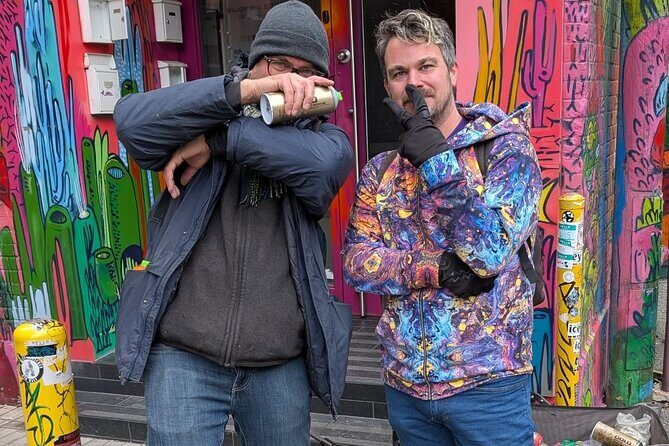
The biggest advantage here is control. You can shape the walk around your interests, whether you’re more into architecture and education sites, street art, market browsing, or the identity of one of North America’s oldest queer destinations.
That matters because Toronto doesn’t have just one “correct” way to visit. The city has multiple stories running at once, and a flexible guide can match the day to your vibe instead of forcing you into someone else’s.
It also shows up in pacing. One guide named Matty is specifically praised for customizing the tour and going at the group’s pace. When rain started, Matty shifted to an indoor route first and then moved back outside once conditions improved. That kind of practical adjustment keeps the experience from turning into a rushed shuffle.
Private by design: what you gain with your own guide
This is a private tour/activity, meaning it’s only your group. That changes the feel quickly. You don’t have to listen for the loudest voice in a crowd, and you’re more likely to get answers to the questions you actually care about.
You also tend to get more flexibility when the group wants to slow down, ask follow-ups, or spend a little extra time on the kind of details that don’t fit neatly into a checklist tour.
That personal attention is especially useful on a first visit. Toronto has plenty of visible attractions, but it also has “in-between” cues—small connections, street-level meanings, and local patterns. A private guide is the difference between seeing sights and understanding them.
Where you start at Buddies in Bad Times (and why that’s smart)
The meeting point is Buddies in Bad Times Theatre, 12 Alexander St, Toronto. You end back at the meeting point, which makes planning simple. No “meet me at the next subway entrance” stress at the end of your walk.
It’s also near public transportation, which matters in a city where weather and schedule can change fast. Being able to hop on and off transit easily is a big help if you’re adjusting your day around other plans.
The tour runs about 3 hours, with morning and afternoon start times available. That lets you pick the part of the day that works best for your energy level and what you plan to do next.
Stop 1: The iconic tower area, and what it’s for beyond photos
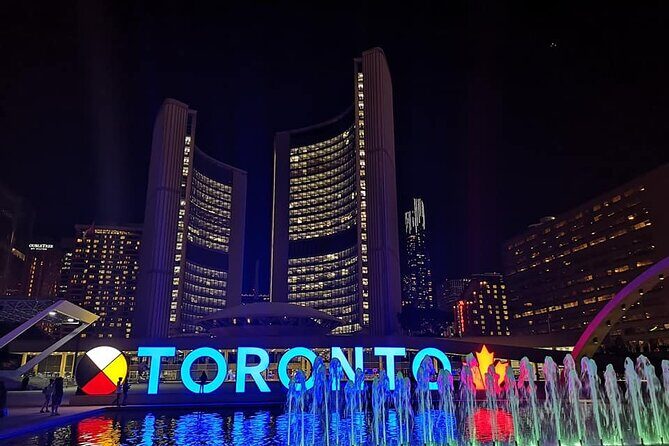
Most first-time Toronto visits orbit the city’s iconic tower. On this tour, you’ll walk past it and get practical context—its importance, its role in how people use it, and the history behind why it became such a focal point.
Why this works early: the tower area is a good anchor for orientation. After you understand why it’s such a draw and what function it serves, the rest of the walk feels less random. You start to see the city as a connected system rather than disconnected highlights.
What to watch for: pay attention to how the surrounding streets and sightlines feel. The guide’s explanation is meant to help you read what you’re seeing, so you’ll get more out of the time than a quick curbside photo.





Stop 2: A downtown shopping hub that links to PATH and Nathan Philips Square
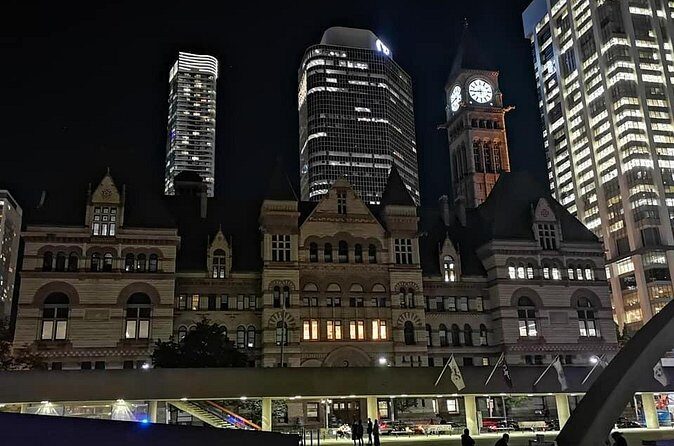
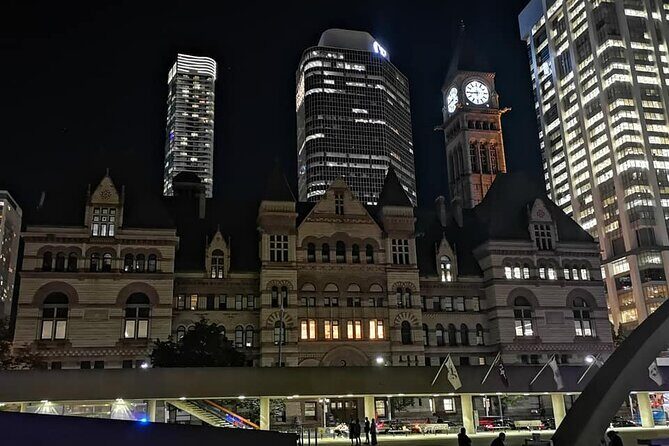
Toronto’s downtown can look like a tangle until you understand the connections. This stop centers on a major mall area that functions as a hub of commerce, linking to the square and to the PATH system, and connecting toward Nathan Philips Square.
This is a smart inclusion because PATH is one of Toronto’s big “how people move” stories, especially in bad weather. Even if you don’t plan to use it much, knowing it exists—and how it connects to key public spaces—changes how you plan the rest of your day.
What I’d look for here: ask yourself how you might move through the downtown without fighting street-level weather. A good guide can point out the logic so it feels less like a maze.
Stop 3: Graffiti alley and the street art scene you can read
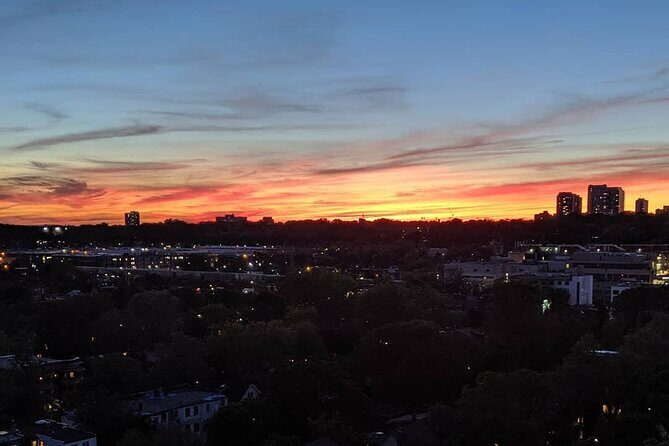
Then you move from shopping connections into something more personal and creative. You’ll hit an often overlooked street art area—often described through Graffiti alley—where you can see Toronto’s street art scene and hear context about artists working today.
This is a stop that can be underrated on traditional tours, but it’s one of the most “Toronto” experiences on the walk. Street art isn’t just decoration. It’s a living form of expression tied to neighborhoods, community identity, and who gets to tell the story in public.
Because the tour is guided, you’ll get more than visual impressions. You should walk away with better “reading skills” for what you’re seeing—why certain styles show up, how the street art connects to the city’s mood, and what makes the works worth noticing.
Stop 4: A campus with architecture and an education story (Oxford-like appeal)
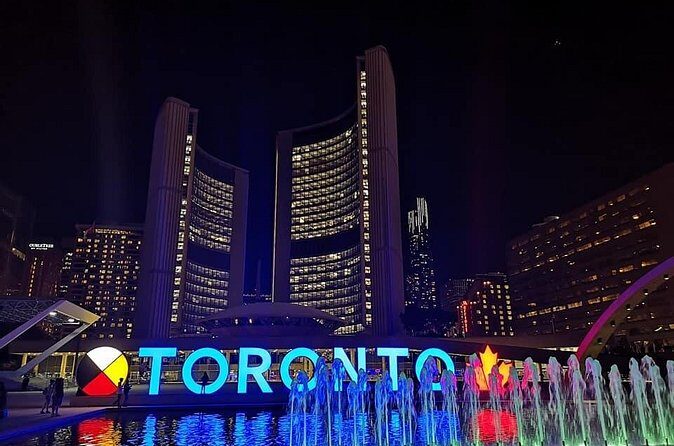
Next comes a campus experience with architecture that gives an Oxford-like feeling, plus a deeper look at the history of education there. The tour focuses on what you can see in the buildings and why that kind of architecture shows the values of the place.
This stop is a good counterbalance to the commercial and street-level stops. Instead of noisy lanes and shopfront energy, you get space and structure—ways the city expresses learning and tradition through its physical design.
What to watch for: slow your pace a little here. A campus works best when you actually look at the shape of buildings, how pathways connect, and how the space holds the atmosphere. A guide can help you avoid treating it like just another pretty backdrop.
Stop 5: A classic market where beatnik roots meet modern shopping
Markets in Toronto do more than sell stuff. They carry the city’s shifting identity, and this tour’s classic market stop is framed from beatnik-era roots through modern gentrification.
You’ll get a tour-style explanation of how that change played out, and why the shopping here can feel unusually good compared to more generic tourist markets. It’s the kind of place where the “why” matters as much as the “what.”
Practical tip: markets are often where you want extra time. This tour gives you a guided look, but plan to return later if you fall for it. Markets tend to reward second visits, because the first pass is about orientation.
Stop 6: An inclusive queer neighborhood for local businesses and long-running identity
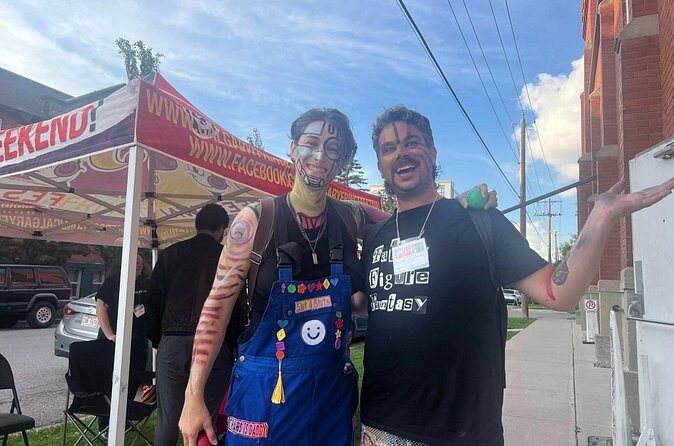
One of the most meaningful stops focuses on one of North America’s oldest queer destinations. You’ll explore an inclusive space with local businesses, plus context on the neighborhood’s history and identity.
This is the kind of stop that improves your whole Toronto visit. Without it, the city can feel like it’s only telling one story. With it, you understand how communities shaped the city and how that legacy still shows up in businesses and street life.
How to get the most out of it: keep your questions human. Ask about what the area means, what changes over time, and what people value. A good private guide can tailor the level of detail to what you want to learn.
And because this tour is private, you can move at a pace that feels respectful and comfortable, rather than getting pulled along at someone else’s tempo.
Stop 7: The original big market for unique food-focused exploring
The final major stop is Toronto’s original market, described as one of the biggest and most interesting, with a reputation as a unique food destination.
This is where the tour’s theme of food and daily life comes together. You’re not only seeing a place; you’re getting oriented to why people return to it and what makes it different from smaller, shorter-lived market spots.
Think of this as your guided starting point. If you’re into food, you’ll leave with a clearer sense of where to go next and what kind of market energy Toronto does best.
Price and value: what $37.47 buys you in real time
At $37.47 per person for about 3 hours, you’re paying for guided time plus flexibility. The value isn’t only in the walk itself. It’s in the fact that the tour is private and customizable, so you’re not just buying a route—you’re buying attention.
You also get group discounts, which can make the cost feel much lighter if you’re coming with others. In practice, that’s where the private format becomes an even smarter deal.
One more data point: it’s typically booked around 33 days in advance. That suggests demand is steady, so if you want a specific start time, it’s smart to lock it in earlier rather than waiting for the last week.
And the rating is strong: a 5/5 rating with 100% recommended based on 15 reviews. That’s a good sign that the experience tends to land well for people who want an intro tour that doesn’t feel generic.
When to go: morning vs afternoon and how to handle Toronto weather
You can choose morning or afternoon starts. That matters because Toronto’s weather can shift fast, and a walking tour needs a plan B.
A nice piece of reassurance from the tour experience: when rain hit, Matty started with an indoor route and then continued outside when conditions improved. That means you’re not stuck just getting soaked and hoping for the best.
So if you’re visiting in shoulder season or you hate unpredictability, pick a time that gives you a buffer before dinner or evening plans. You’ll be less stressed if the guide adjusts the route.
Practical tips that make this walk easier
A few ways to set yourself up for comfort:
- Wear shoes you trust. This is a walking tour, so comfort beats style.
- Bring a light rain layer. The tour can shift plans, but you still want to be ready.
- Have an idea of what you want to emphasize: history, art, or food. Your guide can steer the route better if you already know your top two.
- Keep your phone charged if you like using the mobile ticket feature.
Also, because the tour starts at Buddies in Bad Times Theatre and ends back at the meeting point, you can plan other activities around it without needing complex last-minute logistics.
Who this walking tour is best for
This works especially well if you’re:
- Visiting Toronto for the first time and want orientation without a rigid script.
- Interested in both big icons and the quieter street-level stories.
- Looking for art and street culture, plus markets and neighborhood context.
- Traveling with friends or family and want a guide who can adjust to your pace.
It may be less ideal if you strongly prefer a fixed, no-surprises itinerary with zero flexibility. Since the tour is customizable, the route emphasis can shift based on what you choose.
Should you book this Toronto custom walking tour?
I’d book this if you want a guided first-timer experience that feels personal. You’re getting a private guide, the chance to shape the day around your interests, and a route that covers tower area orientation, downtown connections, street art, campus architecture, markets, and queer neighborhood context.
It’s also a strong choice if you like learning while you walk. The stops are designed so each one adds a layer of understanding rather than repeating the same kind of sightseeing.
If you’re the kind of person who enjoys markets, street art, and neighborhood stories more than “only the tallest building” sightseeing, this tour fits your style. And with a guide like Matty noted for pace and weather adjustments, you’re likely to feel looked after the whole way.
FAQ
How long is the Toronto walking tour?
The tour lasts about 3 hours.
What does the tour cost?
It’s priced at $37.47 per person.
Is this a private tour?
Yes. Only your group participates.
Where does the tour start and end?
It starts at Buddies in Bad Times Theatre, 12 Alexander St, Toronto, ON M4Y 1B4, Canada, and it ends back at the meeting point.
Do I choose a morning or afternoon start time?
Yes. Morning and afternoon start times are offered.
What is the cancellation policy?
You can cancel for a full refund up to 24 hours in advance. If you cancel less than 24 hours before the start time, the amount paid is not refunded.