REVIEW · TORONTO
The Toronto Wine Salon
Book on GetYourGuide →Operated by Crushable Wine Club · Bookable on GetYourGuide
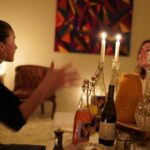
Wine, but make it conversation. That is the heart of the Toronto Wine Salon: a salon-style evening in a private residence where rare Canadian wines are the opener for talk, not the main event. It feels like an intimate Parisian-style gathering, with the table doing the heavy lifting—stories, questions, laughter, and a chance to learn without performing.
What I love most is the blind wine tasting setup and the small group of 8 that keeps the room human-sized. You get generous pours of wines you likely won’t find in retail stores, plus a guided walkthrough that works for beginners and curious food people.
The main drawback to consider: this isn’t a big, loud wine tour. If you want a passive sip-and-walk experience or you’re not interested in the cultural context behind wine, you may find the conversation-forward format more intense than you expected.
In This Review
- Key Things That Make the Toronto Wine Salon Worth Your Time
- A Salon-Style Wine Tasting in a Toronto Studio
- What Happens During the 2 Hours (and Where the Time Goes)
- Blind Tasting That Helps Beginners Without Making You Perform
- Rare Canadian Wines: What You’re Really Paying For
- The Food Pairing Isn’t an Afterthought
- Conversation as the Main Course
- Who This Toronto Wine Salon Suits Best (and Who Should Skip It)
- Practical Tips Before You Go
- Should You Book the Toronto Wine Salon?
- FAQ
- Where does the Toronto Wine Salon take place?
- How long is the experience?
- How much does it cost?
- How many people are in the group?
- What’s included in the salon?
- Is the tasting beginner-friendly?
- What language is the instruction?
- Does it offer reserve now and pay later?
- Is free cancellation available?
Key Things That Make the Toronto Wine Salon Worth Your Time
- Blind tasting that teaches your palate fast
- Small group of 8 for real back-and-forth
- Rare Canadian wines, plus food from local farmers markets
- Guided talk on origin, philosophy, culture, and context
- Discretion and a relaxed pace built for conversation
- Local Toronto food and drink tips to extend the night
A Salon-Style Wine Tasting in a Toronto Studio
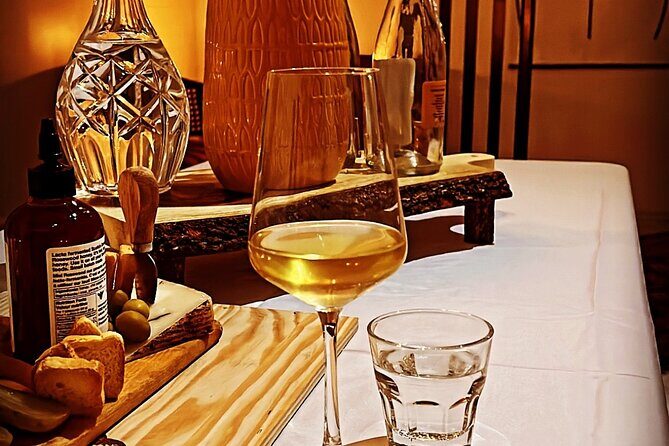
This experience is built around an idea that sounds simple, but changes everything: a wine evening where drinking is the gateway, not the goal. The Toronto Wine Salon happens in Unit 1 at 103 Pembroke Street, described as a private live/work studio, which helps explain the vibe. You’re not wandering a showroom or moving through stations. You’re settling in—around a table designed for talking.
The format follows the classic Parisian tradition of small gatherings: writers, artists, diplomats, and thinkers once met to discuss ideas, not just consume. In this Toronto version, the theme stays broad—history, culture, power, class, place, and pleasure—and wine becomes the tool that gets people comfortable enough to speak honestly.
If you’re the kind of person who loves wine but hates the scripted wine culture (the stuffy introductions, the showy comparisons, the awkward trying-to-act-like-a-sommelier), this approach is refreshing. It’s casual in tone, thoughtful in content, and paced so you can actually participate.
Other wine tasting tours we've reviewed in Toronto
What Happens During the 2 Hours (and Where the Time Goes)
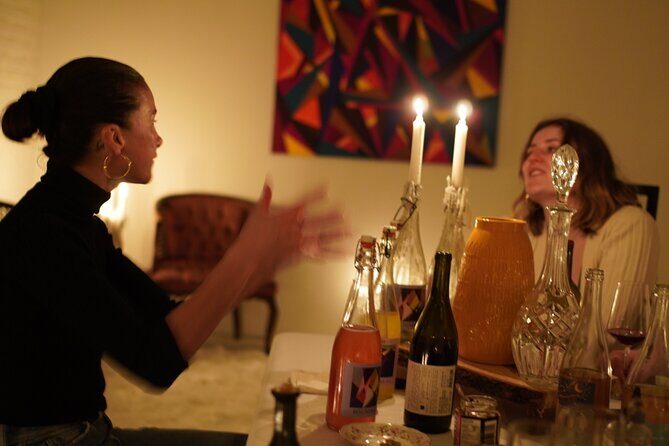
The full experience runs about 2 hours and moves at a conversation pace. With a group capped at 8 participants, it stays easy to hear the host, ask questions, and compare notes without shouting or waiting your turn for ages.
Here’s the flow you can expect in plain language:
First, you arrive and get settled at the table. The evening begins with a welcome and a quick orientation that matters if you’re new. One review highlighted that the host walks novice tasters through what they’re tasting, which helps you feel confident instead of self-conscious.
Then comes the blind wine tasting portion. You’re given pours without immediately knowing what they are, so the focus lands on your senses and your reactions. That’s the trick: you learn how to describe what you notice, not just repeat what you think you’re supposed to say.
After that, the food shows up. You’ll have cheese and charcuterie along with dips and spreads sourced from local farmers markets. This isn’t random snacking. It gives your palate something to work with while the discussion builds—salty, fatty, tangy, and creamy flavors that change how you perceive the wine.
Next, the evening shifts into guided discourse. You’ll hear about origins and the bigger context—origin stories, philosophy, and why certain wines face the challenges they do. The pace stays intentional for conversation rather than consumption, which is great if you want to learn but don’t want the night to feel like a drinking contest.
There’s also team building built into the format. The details aren’t laid out in the info, but you can assume it’s designed to get people interacting naturally—more sharing, less staring at your own glass.
By the end, you’re usually leaving with more than tasting memories. One review specifically mentioned that the host gives good local tips for food and drink in Toronto, which is exactly the kind of bonus that makes the money feel more justified.
Blind Tasting That Helps Beginners Without Making You Perform
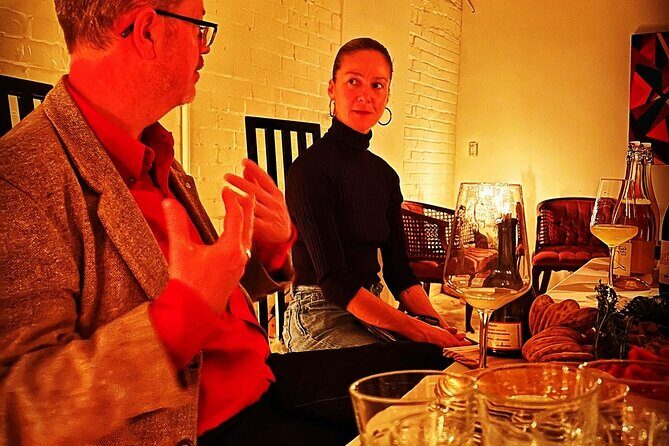
Blind tasting can go two ways. It can be intimidating, or it can be practical. This one leans practical.
In a blind setup, you stop anchoring on labels and start anchoring on what your senses are actually doing: aroma, texture, balance, finish. Even if you’re not “good at wine,” you still have opinions—and the host helps you form them. One review said the host gave a helpful walkthrough at the start, specifically because the group included novice wine tasters.
The other reason blind tasting works here is that it keeps the room equal. You’re not competing with anyone’s vocabulary. You’re sharing what you notice. And since the group is limited to 8, the conversation stays intimate instead of turning into a chaotic scrum.
If you’ve ever felt shut out by wine culture, this is the part that likely will feel like relief. It’s wine education with less pressure and more laughter.
Rare Canadian Wines: What You’re Really Paying For
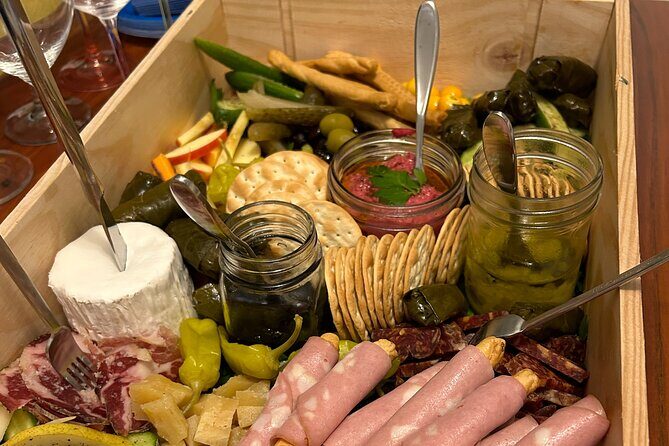
At $109 per person for a 2-hour evening, the price might make you pause—until you understand what’s included. You’re not just buying a few glasses. You’re paying for access to wines described as rare and not available in retail stores, plus a guided discussion that places those wines in context.
That context matters. Toronto has plenty of tastings, but not all tastings explain why a wine exists where it exists, and what forces shape it. The salon format is designed to talk about history, culture, power, class, place, and pleasure around the table. Wine becomes a doorway to questions that go beyond grapes.
Also, one review noted the host shared that she tastes wines from wineries she has visited herself. Even when you don’t know the winemakers personally, that kind of firsthand sourcing tends to show up in the way the wines are framed—more specific, less generic.
So here’s the value logic: you’re paying for (1) rare access, (2) expert interpretation from the host, and (3) an evening where the conversation helps you remember what you tasted and why it mattered. If you just want to drink and move on, you may decide it’s not your style. If you want learning plus good company, it’s a sensible splurge.
The Food Pairing Isn’t an Afterthought
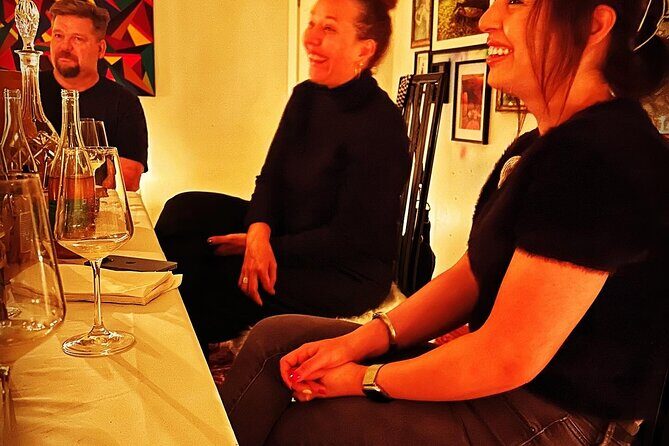
Cheese and charcuterie are included, plus dips and spreads sourced from local farmers markets. That’s a smart pairing choice for two reasons.
First, the food gives your palate contrast. Salty cured meats and fatty cheeses often highlight different parts of a wine—sweetness, acidity, tannin texture, and how long the flavors linger. Second, it keeps the evening comfortable. You can taste more thoughtfully when you’re not just sipping on an empty stomach.
You should also expect the food to support the conversation. In many tastings, food shows up late or feels like a checkbox. Here, it’s part of the rhythm of the table talk, and it helps the blind tasting and discussions feel grounded in real sensory experience.
If you’re the kind of person who wants to connect wine to eating—what flavors work, why the combination makes sense—this is one of the most practical parts of the whole setup.
Other wine tours in Toronto





Conversation as the Main Course
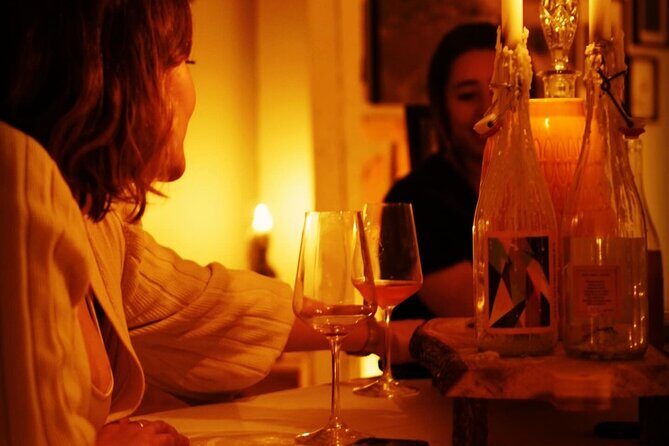
This is where the salon format really differentiates itself. The event is deliberately designed for discretion, depth, and ease. It’s not about broadcasting expertise. It’s about sharing curiosity and letting wine spark actual conversation.
The host-led discussion covers origin, philosophy, and context. In plain terms, you’ll talk about what shaped the wine—where grapes grow, how people make choices, and the bigger realities that affect wineries. One review even pointed out the broader Canadian wine industry, including the science behind different tastes and the economic and political challenges of up-and-coming wineries.
That matters because it turns a tasting into understanding. You’ll likely leave able to explain why a wine feels a certain way, not just what it tastes like. And you’ll have a clearer sense of how Canadian wine fits into the larger map of winemaking.
The tone is also supported by what people said about the host. Multiple comments describe Laura as welcoming and engaging, with a warm way of making everyone feel like they belong. The goal seems to be connection, not intimidation.
Who This Toronto Wine Salon Suits Best (and Who Should Skip It)
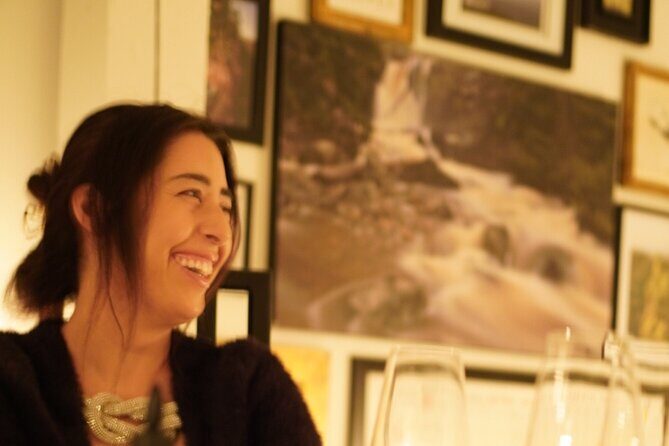
This is a great fit for you if you want:
- a small-group wine evening with lots of talking
- rare Canadian wines and a story behind them
- a beginner-friendly approach that still respects real questions
- a relaxed setting in a private studio, not a formal tasting room
It may not be your best match if:
- you want a typical tour format with stops, transit, and photos every few minutes
- you prefer wine content that stays purely sensory, with no cultural or industry context
- you’re expecting a loud party vibe rather than a table conversation
Also, it’s good to know the salon can be used for celebrations and groups, including anniversaries, birthdays, stagettes/stags, corporate tastings, team buildings, book clubs, and other gatherings. If you’re planning something like that, the intimate setting and small size can make it feel more special than a standard group tasting—assuming you like conversation as part of the point.
Practical Tips Before You Go
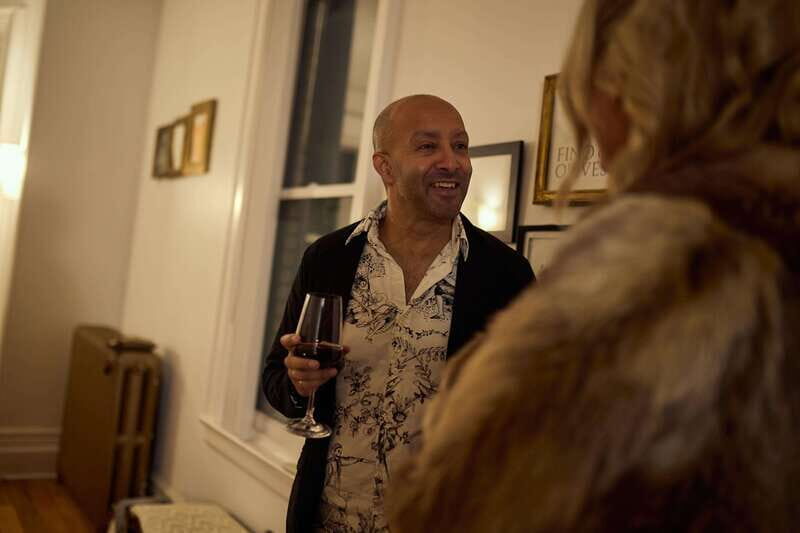
You’ll have the best time if you go in with two modes: curiosity and light participation.
A few things I’d do:
- Come ready to ask at least one question, even if you’re a beginner. The format is built for that.
- Plan to eat earlier or at least arrive with an appetite. The food is included, but the evening flows through taste, talk, and pairing.
- If you don’t know your wine vocabulary, that’s fine. Blind tasting rewards honesty about what you notice.
Also, since it takes place at 103 Pembroke Street in Unit 1, it helps to arrive on time so you’re not stepping in mid-discussion. In small-group settings, timing affects how quickly you feel settled.
Should You Book the Toronto Wine Salon?
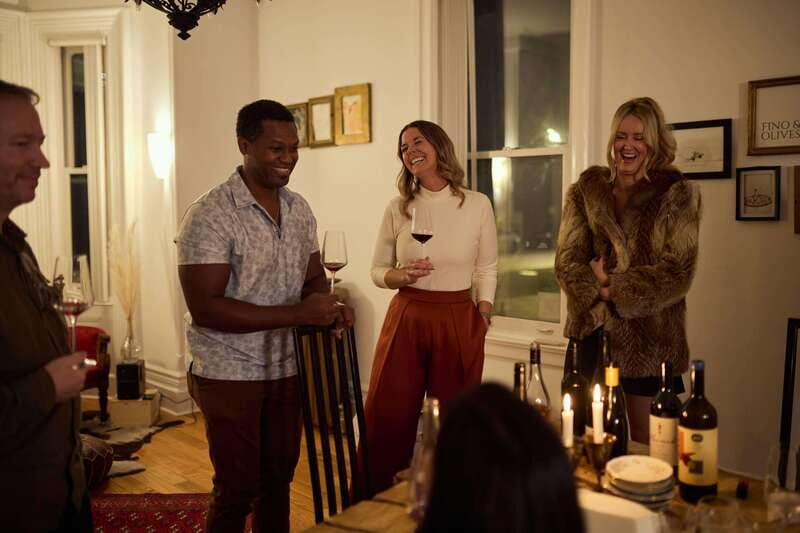
Book it if you want an evening that mixes wine, food, and meaningful talk in a small group setting. For $109, the price starts to make sense because you’re getting rare Canadian wines not sold in retail stores, plus blind tasting and guided context, all in a private studio atmosphere that prioritizes conversation over consumption.
Skip it if you expect a traditional wine tour, or if you don’t care about the cultural and industry side of wine. This salon is built for people who like the idea of wine as a springboard for discussion.
If you’re on the fence, decide based on one question: do you want wine culture to be quieter, friendlier, and more thoughtful? If yes, this is your kind of night.
FAQ
Where does the Toronto Wine Salon take place?
The salon takes place in Unit 1 at 103 Pembroke Street in Toronto, Ontario.
How long is the experience?
It lasts about 2 hours.
How much does it cost?
The price is $109 per person.
How many people are in the group?
Attendance is limited to 8 participants.
What’s included in the salon?
It includes a blind wine tasting, cheese and charcuterie, dips and spreads sourced from local farmers markets, guided cultural discourse, and the salon table setup designed for conversation.
Is the tasting beginner-friendly?
Yes. The format includes a helpful walkthrough at the start, which supports novice wine tasters.
What language is the instruction?
The instructor and discussion language is English.
Does it offer reserve now and pay later?
Yes. You can book your spot and pay nothing today.
Is free cancellation available?
Yes. You can cancel up to 24 hours in advance for a full refund.