REVIEW · TORONTO
60-Minute Toronto Sightseeing Harbour Tour
Book on Viator →Operated by City Cruises Toronto · Bookable on Viator
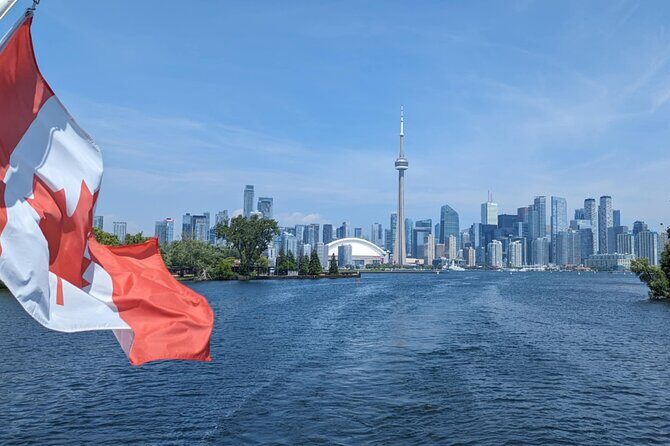
Toronto looks different from the harbour. This 60-minute ride on the Oriole steamship replica is an easy way to spot the big Toronto landmarks, with GPS-triggered multilingual audio and clear views from open-air decks or the air-conditioned cabin. I especially like the fast orientation it gives you around the waterfront, and the straight-line photo ops of the CN Tower and stadiums. One drawback: it can get crowded, and the loudspeaker volume can be a little much on some departures.
You start from Toronto Harbour on the north shore of Lake Ontario and cruise through the naturally protected harbour waters. I also like that the narration is meant to be entertaining (not just facts), and that you can buy snacks or drinks on board, plus there are restrooms. At about an hour, it’s not a deep history tour, so if you want only island history and lots of details, you may find the pacing a bit broad.
In This Review
- Key Things To Know Before You Go
- Step Onto The Oriole Steamship Replica (And Pick Your Best Spot)
- How The 60 Minutes Work: GPS Audio Plus Real-Time Commentary
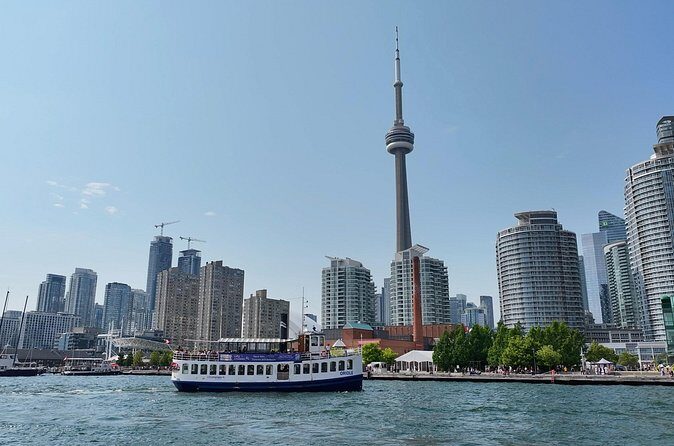
- The Skyline Hit List: CN Tower, Rogers Centre, And Scotiabank Arena
- Harbourfront Centre And The Lake-Edge Arts Walk You Can See From Water
- Sugar Beach: A Waterfront Park With Rules (And Great Contrast)
- Gibraltar Point Lighthouse: The Oldest Great Lakes Light, With A Dark Story
- Redpath Sugar Refinery: Industrial Toronto From The Waterline
- Comfort, Crowds, And The Cash Bar Reality Check
- When This Cruise Is A Great Fit (And When It Isn’t)
- Should You Book This Toronto Harbour Tour?
Key Things To Know Before You Go
- Oriole steamship, two-level layout: choose outdoor decks for skyline views or an air-conditioned cabin when the weather gets loud.
- GPS-triggered audio in 7 languages: English, French, Spanish, Italian, German, Japanese, and Mandarin, triggered as you pass each highlight.
- CN Tower and stadium views come early: you get the most iconic skyline hits before you’re too relaxed to notice the camera coming out.
- Toronto Island parklands and waterfront stops: Harbourfront Centre, Sugar Beach, and the Gibraltar Point Lighthouse are part of the loop.
- Cash bar on board: you can grab a drink or snack mid-cruise if you don’t want to leave.
- Top deck seats go fast: if you care about your sightline, arrive early rather than hoping for the best.
Step Onto The Oriole Steamship Replica (And Pick Your Best Spot)
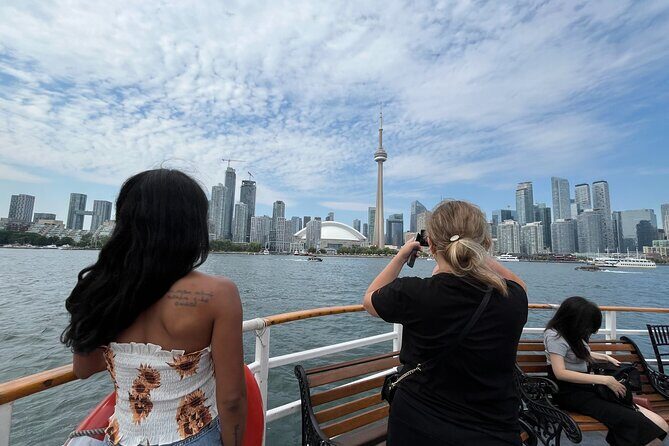
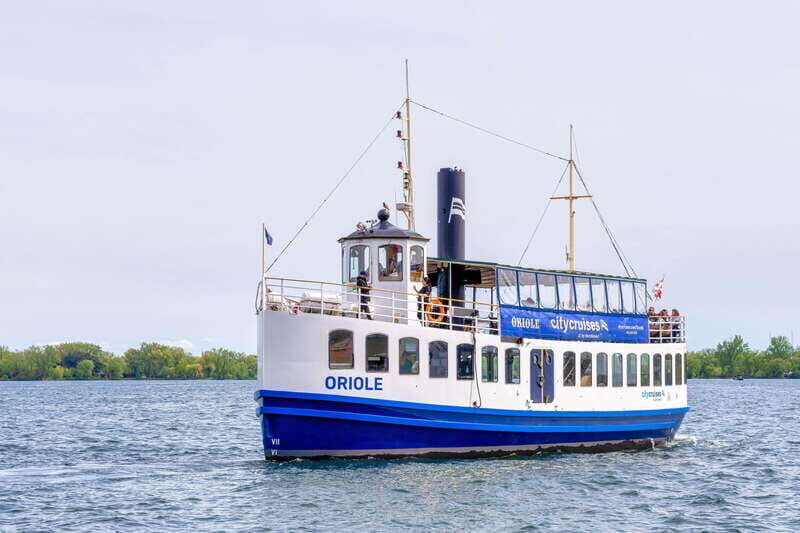
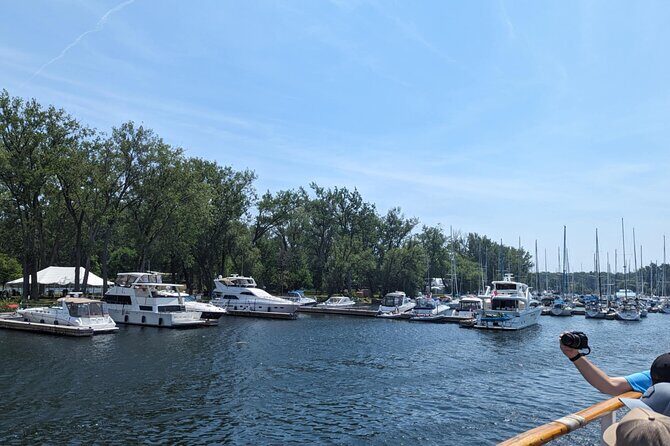
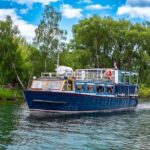
The tour boards the Oriole, a 76-foot Great Lakes steamship replica. It’s built for sightseeing: you get a two-level setup, with open-air observation decks plus an air-conditioned cabin if you want to cool off, warm up, or just escape the wind.
This choice matters more than you’d think. From the outside decks, you’re in the action: better skyline angles, easier photos over the railings, and a stronger sense of motion. Inside, it’s calmer and more comfortable, especially on chilly or rainy days—though you’ll want to position yourself for visibility if you’re relying on photos through glass or rail.
If you want the best views, I’d treat this like a “get there early” tour. Some people note that the top deck fills fast, and that you should aim for a forward-facing chair if you can. That’s the difference between a great skyline shot and a “we were there” photo.
Other Toronto Harbour cruises we've reviewed in Toronto

How The 60 Minutes Work: GPS Audio Plus Real-Time Commentary
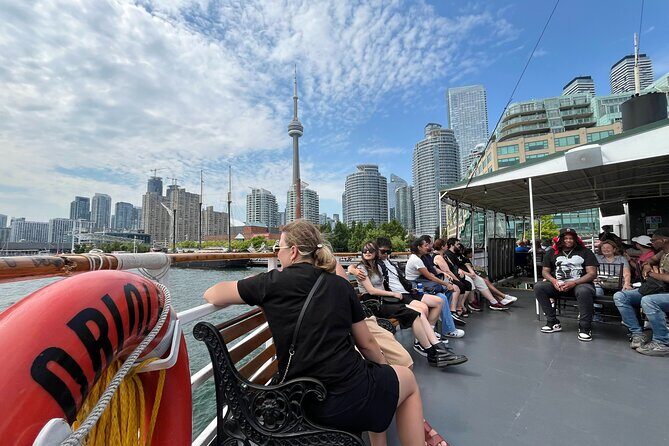
This cruise is about an hour long, and it’s designed around a simple rhythm: you move past landmarks, the narration kicks in at the right moments, and the harbour views do the heavy lifting.
The audio is GPS-triggered and multilingual. Even though the activity is offered in English, the narration system is set up for seven languages: English, French, Spanish, Italian, German, Japanese, and Mandarin. That’s useful if you’re traveling as a mixed-language group.
There’s also lively commentary on board. In practice, that usually means you hear a guide’s voice in addition to the guided audio track. On some departures, guides like Brian have been praised for customer service and for explaining landmarks clearly. Others have been called out for humor and timing. If you enjoy a bit of personality with your facts, this format tends to deliver.
One thing to watch: a few people report issues with loud speakers making it hard to enjoy the narration. If you’re sensitive to noise, plan to stay inside if the sound is too intense, or pick a spot slightly away from the speakers.
The Skyline Hit List: CN Tower, Rogers Centre, And Scotiabank Arena
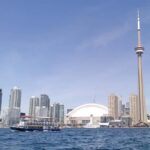
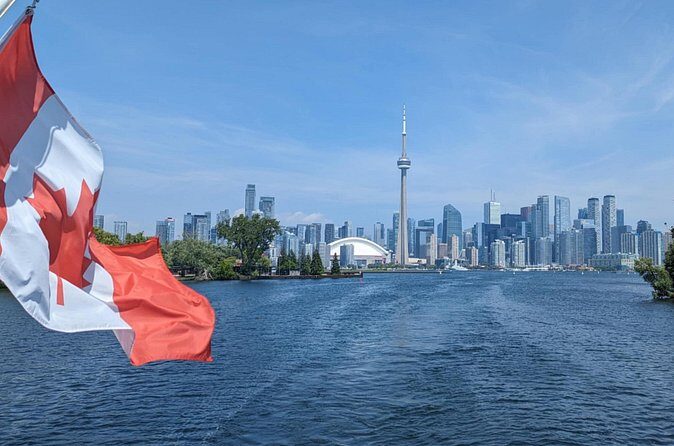
The most famous skyline moments roll by quickly, which is exactly why this works for first-time visitors. The cruise passes the CN Tower and the stadium cluster near the northern shore of Lake Ontario.
CN Tower is the obvious star. You’re told its name comes from Canadian National, the railway company that built it. You also get the big-picture facts: observation decks, a revolving restaurant around 351 metres, and the fact it draws more than two million international visitors annually. From the harbour, you see why it feels like the skyline’s “anchor point,” because the tower sits at a distance that makes the scale feel real.
Then you’ll cruise past Rogers Centre (originally SkyDome). It’s a retractable-roof stadium that opened in 1989, and it’s home to the Toronto Blue Jays. If there’s a game day vibe in your head, this is the place to confirm the geometry of the stadium relative to the CN Tower.
Next up is Scotiabank Arena, formerly known as Air Canada Centre. It’s where the Toronto Raptors (NBA) and the Toronto Maple Leafs (NHL) play. Even if you don’t care about sports, this stop works because arenas are tall, modern landmarks—and from the harbour you can see their outlines without having to navigate the downtown blocks.
Practical photo tip: skyline photos are easiest when you’re seated facing forward and not boxed in by people standing directly in front of you. If the deck is busy, your spot choice matters as much as the landmark itself.
Harbourfront Centre And The Lake-Edge Arts Walk You Can See From Water
Once you’re past the core skyline, the cruise shifts toward the waterfront experience. Harbourfront Centre is one of the key landmarks in that phase.
Harbourfront Centre is an international centre for contemporary arts, culture, and ideas. It runs as a registered charitable not-for-profit and operates a 10-acre campus on Toronto’s central waterfront, with programming year-round—52 weeks a year, seven days a week.
From the water, you’re not doing a museum visit, but you’re getting the setting. You can see how this area functions as a public-facing waterfront district rather than a single building. It’s the kind of place you can later explore on foot if you want to turn the cruise into a longer day.
If you like “see it first, decide later,” this stop helps you pick your next moves once you’re back on land.
Sugar Beach: A Waterfront Park With Rules (And Great Contrast)
The cruise also passes Sugar Beach, a public waterfront space that opened in 2010 near Toronto’s East Bayfront. It’s located across from the Redpath Sugar Refinery area to the east.
Here’s the practical detail: Sugar Beach is an urban beach park, but it’s not meant for swimming or wading in Lake Ontario. Instead, it’s designed for relaxation, leisure, and social hangouts along the waterfront.
From a sightseeing cruise, Sugar Beach is more than a pretty shoreline. It’s a contrast point. You get the skyline first, then you see this “softer” waterfront space, which helps your brain map the city’s rhythm: tall downtown energy, then calmer harbour recreation.
If your itinerary includes time for a walk after the boat, this is the kind of spot you’ll likely remember once you’re on your feet.



Gibraltar Point Lighthouse: The Oldest Great Lakes Light, With A Dark Story
Then comes a calmer, more story-driven slice of Toronto’s island area: the Gibraltar Point Lighthouse.
This lighthouse is on the Toronto Islands, and work began in 1808. It’s described as the oldest existing lighthouse on the Great Lakes and one of Toronto’s oldest buildings. That’s a rare mix of “you can see it from the harbour” and “it’s historically old enough to matter.”
It’s also tied to a famous ghost story. The lighthouse is known for the demise of its first keeper, German-born John Paul Radelmüller, whose 1815 murder forms the basis of Toronto’s most enduring ghost story. Even if you don’t want the spooky angle, that detail adds texture to what you’re seeing. It turns a dot on the shoreline into a specific place with a past.
If you’re the type who likes to connect architecture to human stories, this is one of the stops that can stick with you after you disembark.
Redpath Sugar Refinery: Industrial Toronto From The Waterline
East of downtown near the intersection of Queens Quay and Jarvis Street sits the Redpath Sugar Refinery. From the water, you’ll see why industrial heritage belongs in a sightseeing plan.
Redpath is described as a sugar storage, refining, and museum complex. The refinery isn’t just a structure; it’s part of Toronto’s industrial identity, preserved as a museum site.
On a harbor cruise, this stop works because it breaks up the “tower-and-stadium” pattern. Instead of only looking at landmarks tied to modern tourism, you see a working legacy of the city’s economy. It’s also visually distinct, which helps when you’re trying to sort photos later.
Comfort, Crowds, And The Cash Bar Reality Check
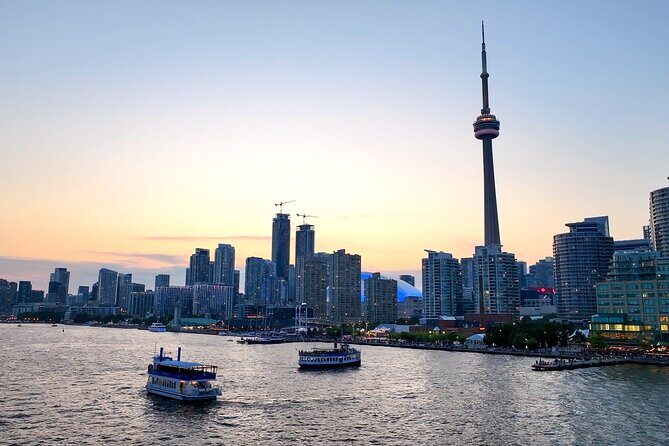
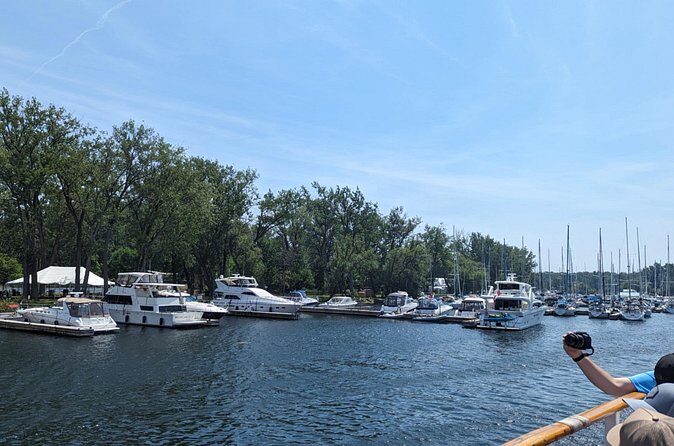
One of the best things about this cruise is that it’s genuinely relaxing. Many people describe the ride as smooth and calm, with comfortable viewing areas and plenty of opportunities to stand against the railing outside.
Still, you should plan for crowding. The group size is capped at 150 travelers. That’s not massive, but it can still mean packed decks on popular days—especially if the weather is good and people are all chasing the skyline angles.
If you want comfort, bring layers and pick your deck wisely:
- Outdoor deck for the best skyline line of sight.
- Cabin for comfort if wind or noise is annoying.
Food and drink are handled by a fully licensed cash bar. Snacks are available too, and restrooms are on board. A few people mention prices for drinks (like fruit drinks), so I’d treat purchases as a convenience, not part of your “budget control” plan. If you want a food plan, you can also grab something after you’re off the boat.
One useful detail from on-the-ground experience: guides have recommended local treats like BeaverTails after the cruise, and that’s a fun way to extend the tour into a real Toronto stop without overplanning.
When This Cruise Is A Great Fit (And When It Isn’t)
This is a strong pick if you want an easy, low-effort overview of Toronto. It’s short, it’s scenic, and the narration is built for people who want to learn while sitting down. It also works well for solo travelers, couples, and families who don’t want to spend hours in transit or line up for timed admissions.
It’s also useful if you’re thinking about timing: the skyline is the headline, so this cruise can slot neatly into the day as your “get oriented” activity. People have even noted it’s enjoyable as a quick break from the city.
Where you might want to think twice:
- If you want deep island history, you could feel the narration focuses more on major landmarks and architecture than on the islands themselves.
- If you’re noise-sensitive, you’ll want to pick a quieter seat location or choose the cabin when the audio system feels too loud.
Also, if you’re expecting a huge number of dramatic moments, remember it’s only about an hour. The value is in the big views and the simple storyline, not in a long, detailed itinerary.
Should You Book This Toronto Harbour Tour?
Book it if you want a fast, comfortable way to see Toronto from water—especially the CN Tower, stadium area, and the waterfront districts like Harbourfront Centre and Sugar Beach. The GPS-triggered multi-language audio plus onboard commentary makes it feel “guided” without demanding attention the whole time. For the price point, it’s a solid use of an hour when you’d rather be outside taking photos than commuting.
Skip it or choose another style of tour if you’re very picky about sound levels, seating comfort, or you specifically want lots of detailed island history. In that case, you’ll get more satisfaction from something longer or more specialized.
If you do book, my best advice is simple: arrive early for deck choice, aim for a forward sightline, and plan to use the cruise as your orientation—then pick one or two land spots (like Harbourfront or near Sugar Beach/Redpath) to explore afterward.