
REVIEW · TORONTO
Pottery wheel class in Toronto Bay&Dundas
Book on Viator →Operated by Artventures · Bookable on Viator
Clay spins faster than you expect. A guided pottery wheel class in Toronto turns that spinning lump of clay into a real, usable piece, with step-by-step help. I love the clear coaching on centering and shaping, and I love that you can usually take your pottery home the same day. One watch-out: it is not a private class, so you’ll share studio time with others and things can get messy.
In the best sessions, instructors keep the pace relaxed and give individual attention when you need it. One review called out instructor Khadija for teaching a group of four first-timers without rushing anyone. If you need a fully private setup, you’ll want to email first, since this format is designed for small shared groups (maximum 8).
You’ll start at 112 Dundas St W, Toronto and finish back there about an hour later. The class is offered in English, with a mobile ticket, near public transportation, and most people can participate. If you’re short on time or want firing and glazing, plan ahead because the extras (firing, glazing, shipping) are optional.
In This Review
- Key highlights you’ll feel in the first 10 minutes
- Where to go in Toronto for your pottery wheel session
- The one-hour flow: clay prep, wheel basics, and making progress
- 1) Welcome and professional instruction
- 2) Preparing the clay for the wheel
- 3) Centering and first shaping
- 4) Finishing steps so you can leave with something
- What you can make on your first try (and how to personalize it)
- The studio vibe: working in a small group of up to 8
- Making it home: same-day take-home vs optional firing, glazing, and shipping
- Take it home the same day
- Optional firing, glazing, and shipping
- What to wear (and why “messy” is part of the point)
- Timing, language, and access to the class
- Who this pottery wheel class is best for
- Value: why this feels like a worthwhile art stop in Toronto
- Should you book this Toronto pottery wheel class?
- FAQ
- How long is the pottery wheel class?
- Where does the class start in Toronto?
- Is this class private?
- What language is the class taught in?
- What can I make during the class?
- Can I take my pottery home the same day?
- Is firing and glazing available after the class?
- Is the class messy?
- Is the meeting point near public transportation, and are service animals allowed?
- What is the cancellation policy?
Key highlights you’ll feel in the first 10 minutes
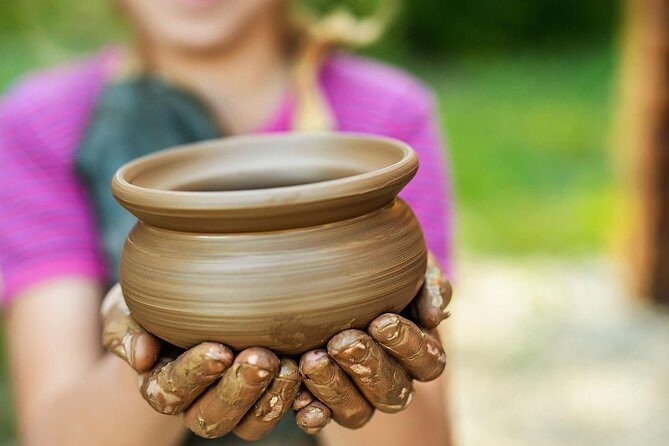
- Hands-on pottery wheel instruction that focuses on centering and shaping your clay
- First-time-friendly results: most students make a small bowl, plate, mug, or vase
- Family bonding at a relaxed pace, with up to 8 participants
- Take-home option the same day, plus optional firing, glazing, and shipping
- Clear, helpful coaching noted in real feedback, including attention for beginners
- A shared class setup, with a real studio feel (and yes, a little mess)
Where to go in Toronto for your pottery wheel session
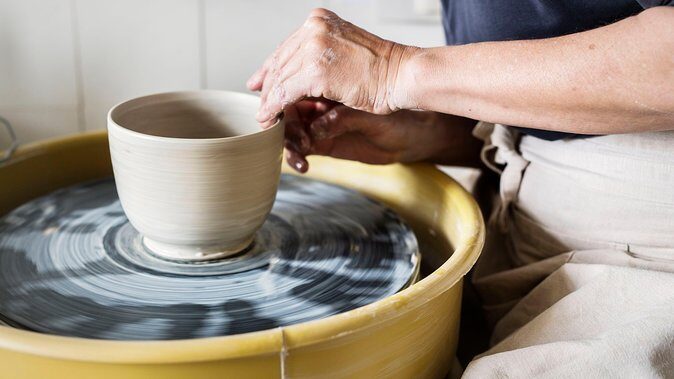
The experience begins at 112 Dundas St W, Toronto, ON M5G 1C3. That address matters because it’s the anchor point for the whole visit: you meet there, then the activity ends back at the same meeting point.
One practical tip: the class is described as a family pottery option connected with Bronte Harbor, Ontario, while the meeting point is in downtown Toronto. That doesn’t have to be a problem, but it does mean you should confirm the exact studio location when you book. Emailing before you arrive is a smart move, especially if you’re coming from out of town or using public transit.
Also, don’t plan on a long tour of the city here. This is an art activity built around one main event: you and the wheel, with instruction guiding your hands. If you love getting “hands busy” quickly while you’re traveling, this format fits.
A few more Toronto tours and experiences worth a look

The one-hour flow: clay prep, wheel basics, and making progress
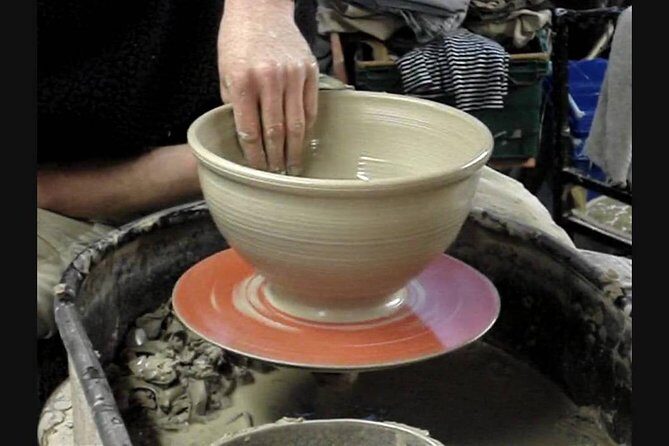
This is an about 1 hour class, so the pacing is practical. You’re not learning pottery as a long-term craft program. You’re learning enough to shape something real by the end, with guidance that breaks down the steps.
Here’s what you should expect from the class flow:
1) Welcome and professional instruction
You’ll be guided by an instructor who shows you what to do, then helps you apply it. The goal is simple: get you comfortable enough to work with clay on a wheel without feeling lost.
In strong sessions, the instruction style is structured. That shows up in the feedback: people mention clear directions and feeling supported. For you, that usually means you spend less time guessing and more time learning the actual motions.
2) Preparing the clay for the wheel
Before shaping, you need your clay ready. Expect time spent getting it onto the wheel correctly and working through the early steps so it behaves the way it should when it starts spinning.
Clay can be stubborn if you start wrong, so this phase matters. A good instructor will help you learn the why, not just the what.
3) Centering and first shaping
Centering is the make-or-break moment on a pottery wheel. The class is designed to teach you how to center the clay, then move into shaping.
If you’re a first-timer, this is where you’ll feel the biggest “lightbulb” moment. Centering turns chaotic wobble into a stable spinning mound. Once you get that, shaping becomes much easier.






4) Finishing steps so you can leave with something
On the first try, students usually make one of these: a small bowl, plate, mug, or vase. That’s a great target for one hour. You’re not aiming for perfection; you’re aiming for a finished form that you can handle and, in many cases, take home that same day.
If you want a specific outcome, you can ask your instructor what shape fits best with your comfort level during the session. The structure is flexible enough to guide you toward something realistic for the time.
What you can make on your first try (and how to personalize it)
The class setup is built for achievable results. Most students can make a small bowl, plate, mug, or vase during their first session, with instructor guidance from clay prep through shaping.
But you’re not stuck with plain work. You can add accents in a couple ways:
- Carving details into the piece
- Adding clay accents, like a handle for mugs or similar features
This is where the experience turns from craft lesson into personal creation. Even small changes—simple carving marks or an added handle—make the finished item feel like yours instead of a generic sample.
One helpful reality check: if your goal is a very complex sculpture, you may not have enough time in one hour. This class is designed for clean, practical forms and small decorative upgrades. That’s also why people tend to leave happy even if it’s their first time.
The studio vibe: working in a small group of up to 8
This is a shared class with a maximum of 8 participants. That group size is big enough to feel social, but small enough for the instructor to circulate.
The difference between a good class and a frustrating class often comes down to attention. In the feedback, one group highlighted that they never felt rushed and got individual attention when needed. That’s exactly what you want in a first-time pottery session, because the wheel is physical and timing matters.
Still, one consideration is unavoidable: because it’s not private, you’re sharing the space and the instructor’s time. If you need slower pacing, extra coaching, or you’re traveling with someone who needs lots of hand-holding, you’ll likely want to ask about options for a fully private experience. The experience notes say you should email to check that availability, and that this class is not private by default.
Making it home: same-day take-home vs optional firing, glazing, and shipping
This is one of the biggest value pieces of the experience. The class offers two different ways forward:
Take it home the same day
You can take your pottery home the same day you make it. That’s ideal if you want a souvenir you can feel immediately, or you’re visiting with kids who want to see progress right away.
Optional firing, glazing, and shipping
If you want the piece finished in a more “ready-to-use” direction, the instructor can fire, glaze, and ship your work for a small fee. You’ll need to coordinate this option with the studio.
This matters because pottery is more than shaping. Clay needs finishing steps to become durable. If you live in another country or you don’t want to handle a partially finished piece yourself, the firing/glazing/shipping option is the smart path.
One review expressed disappointment that they could not finish the process because they live in the US. That lines up with the idea that final steps may not happen automatically in the same hour. If you care about the finished, glazed result, ask about the optional service early so you’re not making assumptions on the day.
What to wear (and why “messy” is part of the point)
Pottery wheel classes are hands-on and hands-on means messy. The feedback specifically notes that it can be messy, and that’s honest advice.
So plan like a painter:
- Wear clothes you don’t mind getting dusty or stained
- Tie back long hair
- Expect water or clay splash near the wheel area (how much varies by setup)
If you’re traveling with a packed itinerary, consider having a quick plan for changing and laundry afterward. This activity can be a great reset moment, but it can also leave your outfit looking like it survived a clay storm.
If you’re coming with family, it’s even more important to dress for cleanup. The “fun and creative way for families to bond” works best when you aren’t stressed about ruining your best clothes.
Timing, language, and access to the class
The experience includes these practical details:
- Duration: approximately 1 hour
- Language: English
- Ticket: mobile ticket
- Location access: near public transportation
- Participation: most travelers can participate
- Service animals: allowed
Confirmation is generally received at booking time, unless you book within 12 hours of travel. In that case, confirmation comes as soon as possible based on availability.
For your planning, the key is that this isn’t a long drawn-out day tour. It fits well as a standalone activity or as a break between bigger sightseeing plans. Because it’s only about an hour, it’s also a good choice if you’re traveling with kids who can handle a short structured activity but not a full workshop day.
Who this pottery wheel class is best for
This class makes the most sense if you want something tangible and creative without a steep learning curve.
You’ll likely enjoy it if:
- You’re a family looking for a hands-on bonding activity
- You’re curious about pottery but you want coaching, not trial-and-error
- You want a doable first project like a small bowl, mug, plate, or vase
- You like interactive classes where the instructor teaches step-by-step
It also works well for couples or small groups. One review described an enjoyable pottery session for a husband and wife who liked the process, even though they were disappointed they couldn’t complete everything later. That tells me the activity itself is engaging, but you’ll want to think about whether you want the extra firing/glazing/shipping service.
If you’re someone who needs total control of pacing, a private session may be better. But for most people, a small group of 8 is a sweet spot.
Value: why this feels like a worthwhile art stop in Toronto
Even without a listed price, you can judge value by what you actually get in the time you spend.
In about one hour, you’ll learn the core wheel motions: preparing clay, centering, then shaping. That’s the foundation of pottery. You also get a physical result you can often take home the same day. That combination—skill + a finished object—is why the experience tends to land well.
Then there’s the finish option. If you choose firing and glazing plus shipping, you’re paying for the part of pottery that’s hardest to do while traveling. That turns your session into a complete workflow, not just a “make it and hope” project.
Think of this as a smart middle ground between DIY crafting and full pottery studio membership. It’s short, guided, and designed for first success.
Should you book this Toronto pottery wheel class?
Book it if you want a friendly, hands-on pottery wheel class with real instruction, small group size, and a good shot at making an item you can hold. The class is set up for beginners, and the feedback highlights clear teaching, supportive help, and an unhurried pace.
Skip it or ask extra questions first if:
- You need a fully private class (this is not private by default)
- You’re very sensitive about mess and cleanup
- You want a fully finished glazed pottery result and you’re far from the studio, since the firing/glazing/shipping step is optional
If you’re flexible and you dress for clay, this is the kind of Toronto activity that turns travel time into a personal object you’ll remember long after the hour ends.
FAQ
How long is the pottery wheel class?
The class lasts about 1 hour.
Where does the class start in Toronto?
You start at 112 Dundas St W, Toronto, ON M5G 1C3.
Is this class private?
No, this is not a private class. The class can accommodate up to 8 participants. If you need a fully private experience with just you and the instructor, you should email to check availability.
What language is the class taught in?
The class is offered in English.
What can I make during the class?
With guided instruction, you’ll usually make a small bowl, plate, mug, or vase.
Can I take my pottery home the same day?
Yes. You can take your pottery home the same day you make it.
Is firing and glazing available after the class?
Yes. You can ask for your work to be fired, glazed, and shipped for a small fee.
Is the class messy?
It can be messy, since it is a pottery wheel experience. Plan to dress for it.
Is the meeting point near public transportation, and are service animals allowed?
The meeting point is near public transportation, and service animals are allowed.
What is the cancellation policy?
Free cancellation is available up to 24 hours in advance for a full refund. If you cancel less than 24 hours before the start time, the amount paid is not refunded.