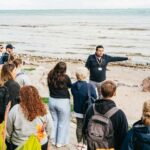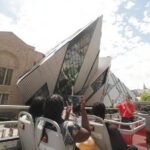
Toronto makes sense when you walk it locally. This private, customized experience lets you pick what matters, with a local guide who can steer you toward neighborhoods, markets, and big historic buildings instead of a one-size itinerary, and it’s built to teach you fast—two big wins are the questionnaire-led planning and the guide’s on-the-street tips that help you keep exploring after the tour. One thing to weigh: it’s mostly walking, and longer hops may require public transport you pay for.
I like how the format gives you control. Before you go, you answer a short online questionnaire, then your host reaches out to match the route to your interests—history, architecture, bookshops, street food, or simply getting a feel for the city.
And while the core stops are set, the pacing is flexible. You can choose a duration from about 2 to 8 hours, and your guide can adjust when some spots have limited hours.
In This Review
- Key things to know before you go
- City Unscripted means you shape the route
- Your questionnaire: the shortcut to a better tour
- Where the tour starts (and how that affects your day)
- The pace: walking tour with occasional transit breaks
- Stop 1: A rare-book library that explains Toronto’s mind
- Stop 2: The eclectic neighborhood walk for shops, records, and street art
- Stop 3: University architecture—Romanesque meets Gothic Revival
- Stop 4: The Romanesque civic landmark completed in 1899
- Stop 5: The market since 1803—local produce and multicultural food
- How long should you book: 2, 4, or 8 hours?
- Price and value: what $48.23 per person gets you
- When this tour is the best fit
- One thing to plan for: walking comfort and distance
- Should you book this Toronto private custom tour?
- FAQ
- How much does the Toronto Private Custom Tour cost?
- How long is the tour?
- Where does the tour start and end?
- Do you offer hotel pickup?
- Is transportation included?
- What’s included in the price, and what costs extra?
Key things to know before you go
- It’s truly private: only your group, so you can ask questions and steer the pace.
- A questionnaire customizes the route before you even step outside.
- Rare-books library + architecture stops give you quick Toronto context.
- Neighborhood time matters: you’ll walk areas known for shops, records, and street art.
- A historic market is part of the route, great for seeing everyday Toronto food culture.
- Walking is the default, with occasional public transport for longer distances at your cost.
City Unscripted means you shape the route
Toronto is a big city. A fixed “see the top 10” tour often wastes time on stuff you didn’t even come for. This one is built to prevent that. You tell your guide what you want—then they build your day around your priorities, not theirs.
That matters because Toronto rewards curiosity. One block can feel different in mood and architecture than the next. The best version of a Toronto day is part sightseeing, part wandering, and part “wait, what is that street?” moments. A private guide can actually protect that time.
Also, the local planning isn’t just a formality. The experience includes direct communication with your host for itinerary planning and local recommendations. If you’re the type who wants a practical next step—where to grab a snack, what to see nearby, how to get around—you’ll likely appreciate this structure.
Other private tours in Toronto



Your questionnaire: the shortcut to a better tour
Here’s how you get value fast: after booking, you receive a short online questionnaire. You share your must-sees and preferences, and your host uses that to tailor your itinerary.
The prompt examples are real clues about how flexible the tour can be. You might choose to emphasize university architecture, track down hidden-style bookshops, or spend more time on a market-and-food approach. Even if you don’t have a list, you can still guide the vibe: history focused, photo focused, or “help me get oriented” focused.
I also like that the guide can match you to their style. Some hosts lean more conversational and street-level; others focus on design details and city development. In the program, guides named like Jenn, Dave, James, Prachi Thakkar, Christina, and Wolfgang show up with a consistent theme in their feedback: they’re prepared, enthusiastic, and willing to adapt the day to your interests.
Where the tour starts (and how that affects your day)

The meeting point is Roy Thomson Hall, 60 Simcoe St. The tour ends back at the meeting point. That’s straightforward—no mystery “you’re dropped in another district” surprises.
Pickup is offered, but only under certain conditions. If your accommodation is central, you can be picked up on foot and the walk starts from there. If your hotel isn’t in the pickup list, you can choose a central meeting point option instead.
Practical tip: because the end point is the same as the start, plan an easy way to get back to your hotel or transit. If you’re staying far away, you may want to plan dinner near the route—this is a day where you’ll probably work up a decent appetite.
The pace: walking tour with occasional transit breaks
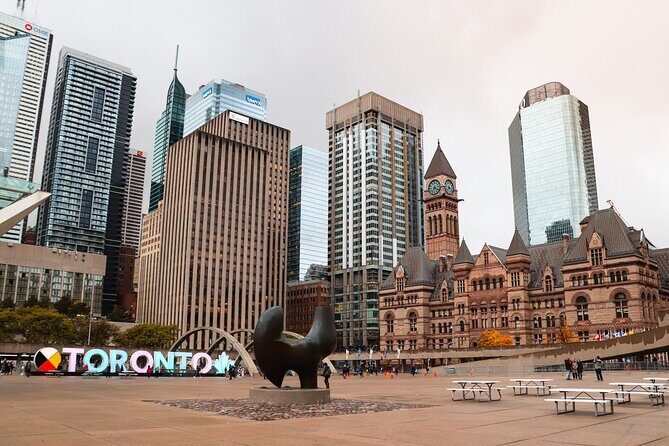
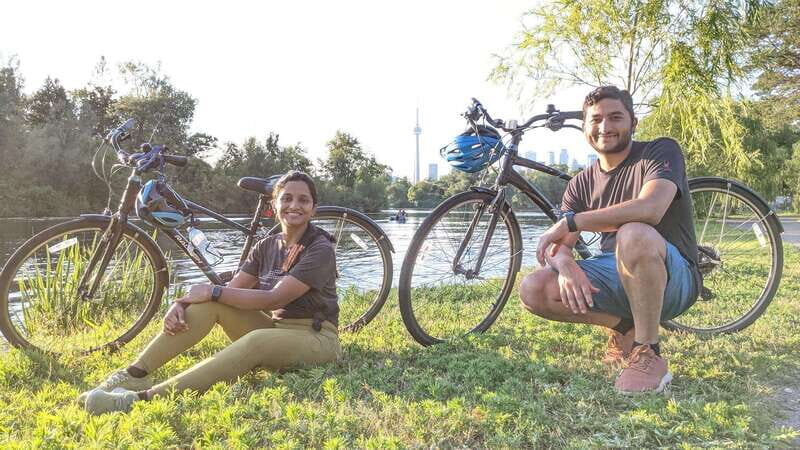
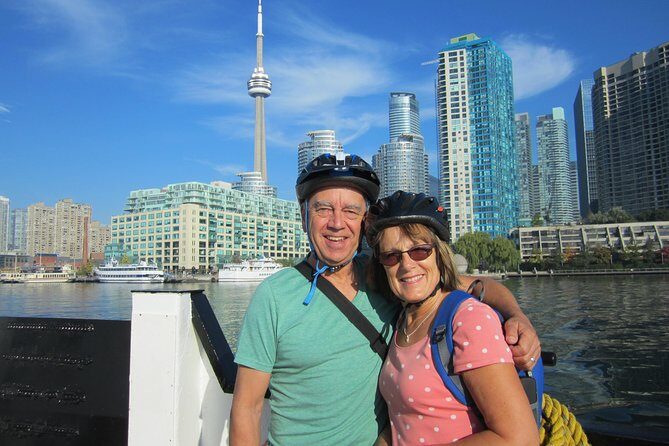
This is a private walking experience, and a private vehicle is not included. That’s great if you like city texture—sidewalk life, storefronts, and architecture you only notice at walking speed.
But Toronto can mean longer distances between key sights. For longer hops, your host may suggest using public transport. Any transport costs can be settled on the day.
So think about this before you book:
- If your itinerary choice is longer (closer to 6–8 hours), the walking is likely substantial.
- If you have mobility limits, you’ll want to be upfront when planning so your host can manage pacing and possible transit.
The good news is that the route is flexible. Your host can likely balance between “keep moving” and “slow down for the good stuff.”
Stop 1: A rare-book library that explains Toronto’s mind
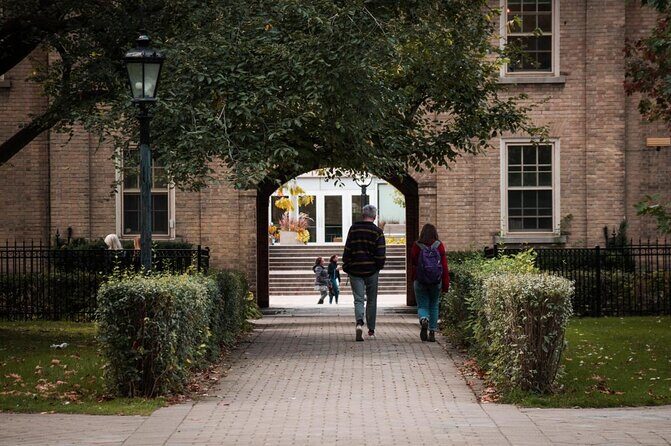
One major stop is inside one of Canada’s treasured libraries, known for rare and beautiful books. Even if you’re not a full-on book person, this is a smart Toronto stop because it connects culture to architecture.
Libraries are often treated like background buildings in a sightseeing day. Here, the library is a featured moment. You’ll get insights into its history and architectural elegance, which helps you understand why Toronto takes ideas and learning seriously.
What to expect:
- A guided look at interior details tied to the building’s story.
- Enough context that you won’t just see rooms—you’ll understand what you’re looking at.
A possible drawback: this is a public building, and hours can vary. If something is closed or limited on your day, your guide should have options to keep the tour meaningful. In at least one case, a guide handled a Monday with closures and still delivered a strong experience—so don’t panic if your calendar has a tricky day.




Stop 2: The eclectic neighborhood walk for shops, records, and street art
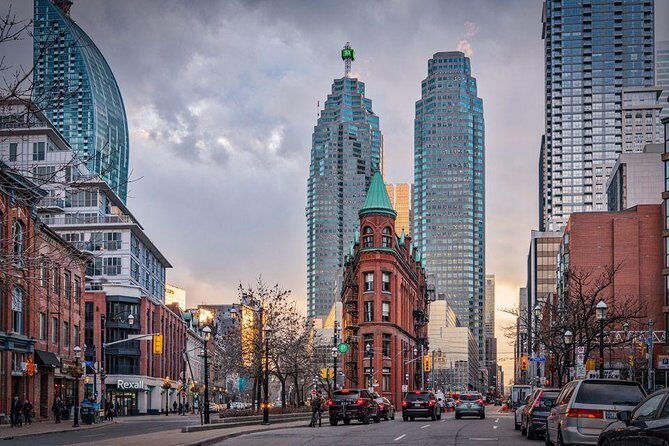
Next comes a neighborhood that feels like Toronto’s creative side. The walk includes a mix of vintage shops, record stores, international eateries, and bold street art.
This is the part of the tour that helps you see Toronto as a living place, not just a list of landmarks. It’s also where you learn what locals look for: the kinds of places that aren’t always “top attractions,” but are the reason people fall in love with the city.
Why this stop is valuable:
- You’ll get an eye for local style—what kind of shops cluster together and why.
- You’ll get practical direction on where to spend time after the tour ends.
- Street art and storefront rhythm are easier to notice on foot with someone pointing things out.
One consideration: neighborhood walking is photo-friendly, but it can be weather-dependent. If it’s rainy, bring a small umbrella or a light rain layer. Your guide can still keep things moving, but you’ll want to be comfortable.
Stop 3: University architecture—Romanesque meets Gothic Revival
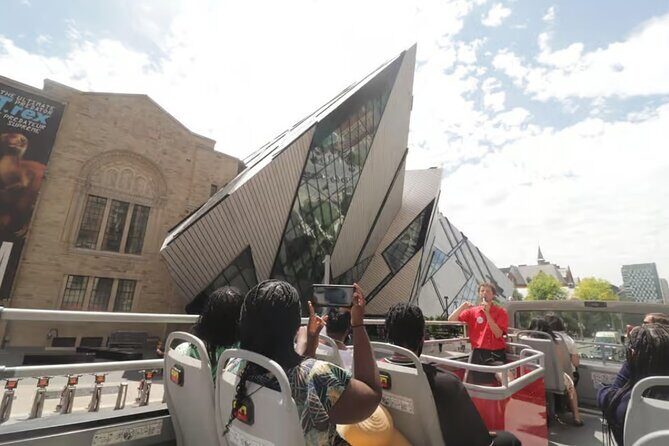
Then you’ll walk through a university area known for a striking blend of Romanesque and Gothic Revival architecture. Even if you’re not a student, this is a powerful “Toronto context” stop.
Universities shape cities. They influence where young people move, how areas develop, and which buildings become identity anchors. This stop helps you connect architecture to the city’s long-term planning.
What to expect:
- Architectural highlights as you stroll the historic campus.
- A guide who explains academic legacy and design heritage as you go.
This is also one of the easiest parts of the tour to personalize. If you’re into architectural details, you can slow down and ask specific questions. If you’re more interested in the big picture, you can let your guide summarize and keep your pace.
Stop 4: The Romanesque civic landmark completed in 1899
Your tour includes a Romanesque civic landmark completed in 1899. Civic buildings are where you can see power made physical—how a city organizes itself, what it wants to project, and how it grows over time.
This stop is ideal if you want more than pretty architecture. You’ll learn about design, historical significance, and the role the building played in Toronto’s development.
What I think makes this work on a private tour:
- Your guide can connect this building to the city’s evolution in plain language.
- You can stop for photos without feeling like you’re holding up a big group.
- If you care about history, you’ll get enough detail to understand what’s special; if you don’t, you’ll still have a clear takeaway.
One practical note: large civic buildings can mean lines or security checks depending on the day. Your host can help you plan timing around what’s possible.
Stop 5: The market since 1803—local produce and multicultural food
Finally, you’ll reach a market that has been a Toronto institution since 1803. Markets are one of the best ways to understand how a city eats, shops, and celebrates its cultures daily.
This stop is described as a sensory journey: local produce, artisanal goods, and multicultural food traditions. Even if you don’t stop for a full meal, you’ll come away with food instincts—what kinds of vendors exist and what you should try next time.
What to do here (so you get more than photos):
- Walk slowly and watch what people buy.
- Use your guide’s recommendations to find a snack that fits your taste and dietary needs.
- If you do want food, budget for it—food and drinks are not included.
If you’re planning this tour as part of a longer Toronto trip, the market stop can be your “memory anchor.” You’ll later remember the city by what it smells and tastes like.
How long should you book: 2, 4, or 8 hours?
The duration is flexible—about 2 to 8 hours. That’s a big range, and your ideal choice depends on how you want to use the time.
- 2 hours: best if you want orientation and the main story beats without heavy wandering. Great for first-time visitors who also have other plans.
- 4 hours: the sweet spot for a relaxed pace—enough time for the library, neighborhood walk, and the major architecture stops, with market time that doesn’t feel rushed.
- 6–8 hours: best if you want deeper personalization—more time in the neighborhood, extra stops for bookish interests, or longer conversations about Toronto’s history and how it works today.
A simple rule: if you’re the type who likes to stop and talk, choose longer. If you’re strictly “sightseeing bullets only,” choose shorter.
Price and value: what $48.23 per person gets you
The price is $48.23 per person, and that’s a fair way to buy flexibility. You’re not just paying for a route—you’re paying for a guide who tailors the day and shares local recommendations.
Here’s what affects your value:
- Included: private guided walking experience, the online questionnaire, possible on-foot pickup if you’re central, and direct communication with your host.
- Not included: food, drinks, and tickets to attractions, plus transportation (unless the host keeps it walking).
So think of it like this: you’re funding expertise and customization. If you also want museums or paid attractions, you’ll pay extra. If you’re happy with street-level sightseeing, architecture, and a market browse, this can be a very efficient use of your time.
Also, there are group discounts listed. If you’re booking with friends or family, ask if it applies to your situation when you plan the itinerary.
When this tour is the best fit
This tour is a great choice if you:
- Want a private guide who can adjust to your interests.
- Like walking tours that explain what you’re seeing, not just point at it.
- Care about architecture and city development, not only famous attractions.
- Prefer practical recommendations you can use right after.
It may be less ideal if you:
- Want a vehicle-based tour with long-distance comfort.
- Don’t like walking in any weather.
- Need specific tickets included in the price (since tickets are not included).
One thing to plan for: walking comfort and distance
Because it’s primarily walking, your comfort matters. Even with personalization, the stops are spread across several key areas. If you’re coming from a hotel that isn’t central, pickup may not work the same way, and you’ll likely need more transit planning.
To make it painless, wear shoes you trust. Bring a water bottle. And when you talk to your host, mention anything that affects your pace.
Should you book this Toronto private custom tour?
Yes—if your priority is a Toronto day that feels designed for you, not scheduled for strangers. With a tailored questionnaire, a real local guide approach, and a route that combines library culture, neighborhood character, major architecture, and a market that’s been shaping the city for generations, this is a strong “first or second day” option.
Book it especially if you want to get your bearings quickly and still have time to wander with intent. If you’re counting on food or tickets to be included, plan on paying those separately. If walking is fine, this tour’s value comes from the customization and the local know-how.
FAQ
How much does the Toronto Private Custom Tour cost?
It’s listed at $48.23 per person.
How long is the tour?
The duration is flexible, approximately 2 to 8 hours. You can choose the duration when you book.
Where does the tour start and end?
It starts at Roy Thomson Hall, 60 Simcoe St, Toronto, ON M5J 2H5, Canada, and ends back at the same meeting point.
Do you offer hotel pickup?
Pickup is offered on foot if your accommodation is central. If your hotel isn’t on the list, you can choose the central landmark meeting point option.
Is transportation included?
This is primarily a walking tour, and a private vehicle is not included. For longer distances, public transport or taxis may be suggested, with any costs settled on the day.
What’s included in the price, and what costs extra?
Included are the private personalized walking experience, the online questionnaire, possible on-foot pickup (central hotels), and direct communication with your host. Food, drinks, attraction tickets, and transportation costs are not included.