REVIEW · TORONTO
Toronto: Hollywood North Experience Film & TV Tour
Book on GetYourGuide →Operated by Storyboard Experiences (Toronto) · Bookable on GetYourGuide
One city can look like five on camera. This Toronto Hollywood North experience maps famous movie and TV moments to real downtown streets, with a local film-industry guide and short scene clips as you walk. You’ll also get a dose of how productions actually work in Toronto, where the city often plays multiple roles.
What I like most is the on-location clip format: you see the building, then you see the screen version right there. I also love that the guide is a working entertainment professional, so the talk feels practical, not just trivia.
One heads-up: it’s a walking tour (about 3.5 km over 2.5 hours) and it runs in rain, snow, or shine, so you’ll want good shoes and comfort on your feet.
In This Review
- Key things you’ll notice on this Toronto film-and-TV tour
- Why Toronto turns into Hollywood North in the first place
- Meeting at David Pecaut Square and spotting your Blue Umbrella
- Union Station: where big-screen entrances start
- Secret stops: the best part of downtown is the camera angle
- A local café stop: why it’s more than a break
- Elgin & Winter Garden Theatres: Toronto’s dramatic stage look
- Toronto Old City Hall and Toronto City Hall: government buildings as set pieces
- Nathan Phillips Square and a 20-minute reset in the open
- CN Tower outside: when one skyline becomes many cities
- Toronto Eaton Centre: the middle of downtown storylines
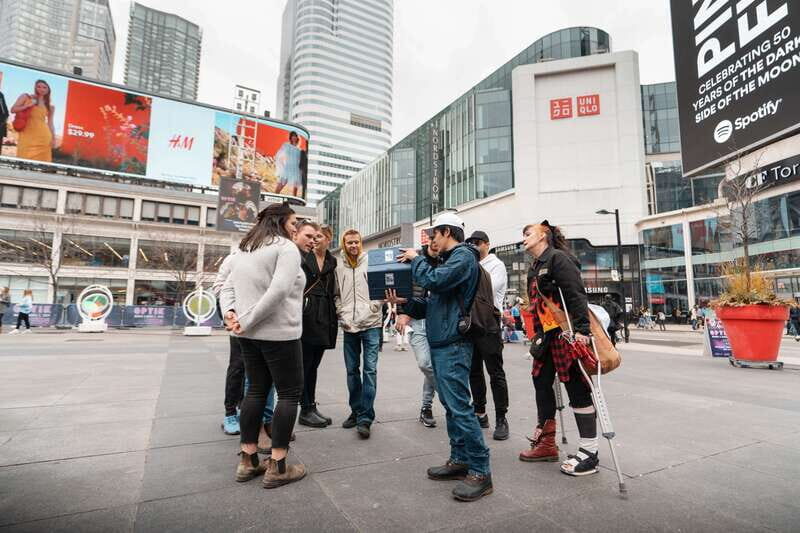
- Yonge-Dundas Square finish: scene rendition time
- Price and time: why $35 feels fair for what you get
- Who should book this Hollywood North tour
- Should you book this Toronto film and TV tour
- FAQ
- How long is the Toronto Hollywood North Film and TV tour?
- Where do I meet the guide?
- Is it a walking tour, and how far do we walk?
- Does the tour run in bad weather?
- What is included in the price?
- Is food or transportation included?
- Are there any content concerns?
Key things you’ll notice on this Toronto film-and-TV tour
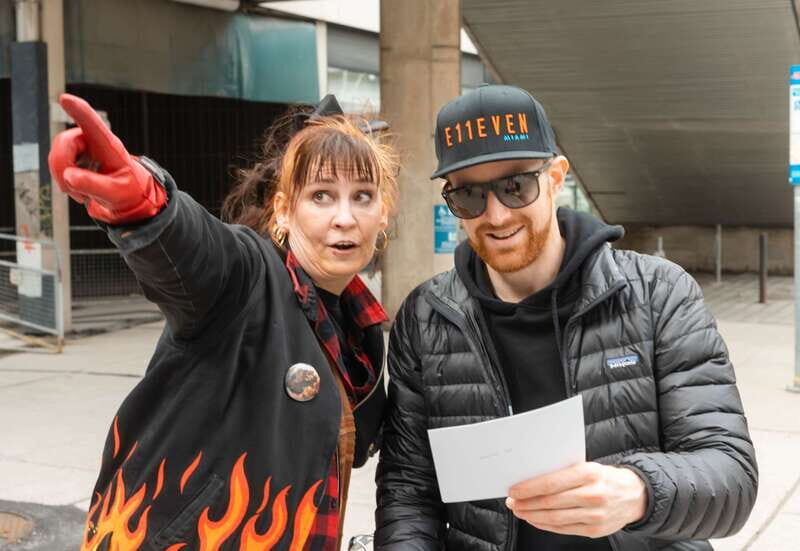
- On-site scene clips shown as you stand where the production filmed
- Local actor-led guide with real behind-the-scenes stories
- Downtown Toronto landmarks used as set pieces, not just photo stops
- A few surprise secret stops that keep the tour feeling fresh
- Indoor breaks at select stops, handy when the weather turns
- Scene rendition time at the end, so you don’t just watch
Why Toronto turns into Hollywood North in the first place
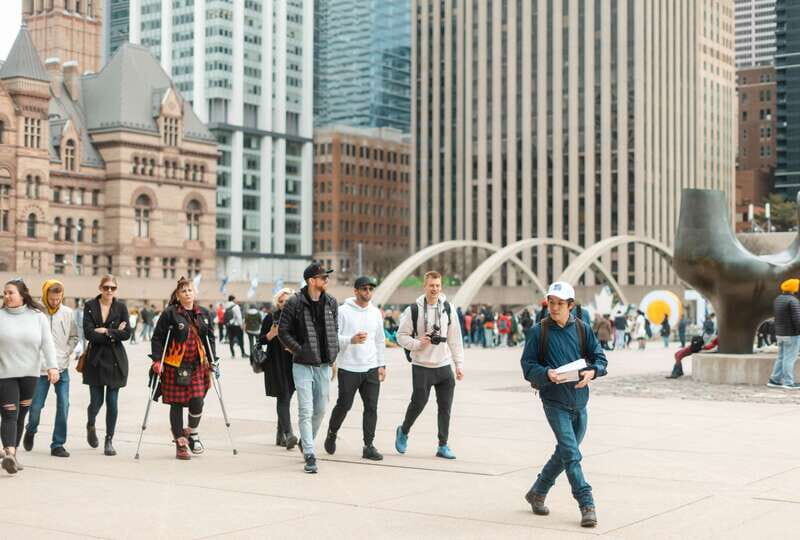
Toronto is one of North America’s big production hubs, and this tour is built to prove it using walking-street evidence. You start downtown and move through the kinds of places filmmakers love: stations, theaters, city squares, and main streets where camera angles can sell a whole new world fast.
I like that the tour doesn’t treat film as magic. It frames filming as planning and craft: choosing exact sightlines, using the right corners, and setting up scenes so camera crews can get the shot with minimal disruption. You’ll also see how Toronto can stand in for other cities, from mood and architecture to how streets look on screen.
And if you recognize the titles, it adds extra fun. You’ll visit filming-related areas connected with productions such as Suicide Squad, Suits, The Boys, The Handmaid’s Tale, Degrassi, Rookie Blue, American Psycho, and Star Trek. Even if you’re not a die-hard, you’ll still come away with a new eye for the city.
If you're still narrowing it down, here are other tours in Toronto we've reviewed.

Meeting at David Pecaut Square and spotting your Blue Umbrella
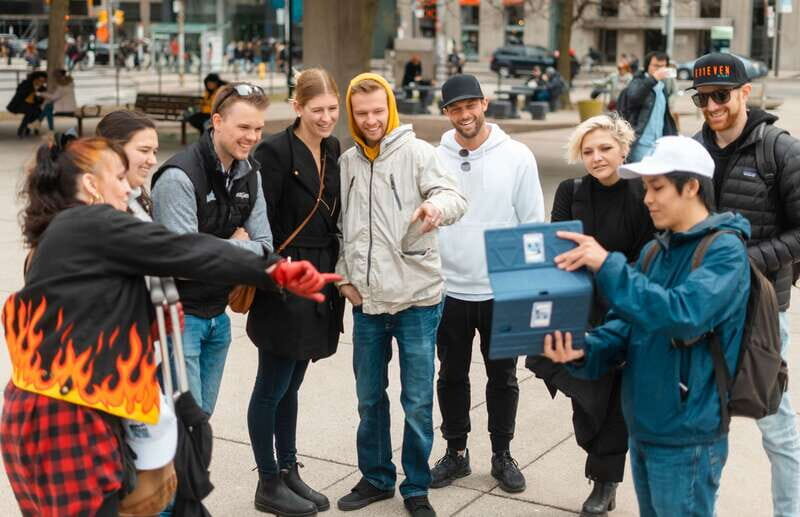
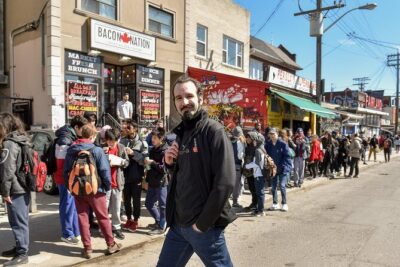
Your tour starts at David Pecaut Square in downtown Toronto, in the courtyard across the street from the Royal Alexandra Theatre on King Street. Your guide will be standing there at the scheduled time with a blue umbrella, which is your quick visual cue.
This matters more than it sounds. The tour is tight on time because you’re covering multiple central landmarks in about 150 minutes. If you arrive late, you can be marked as a no-show, so I’d treat the meeting point like you would a theater curtain time.
Also plan around light weather changes. The tour runs rain, snow, or shine, so you’ll want layers and a jacket you can move in.
Union Station: where big-screen entrances start
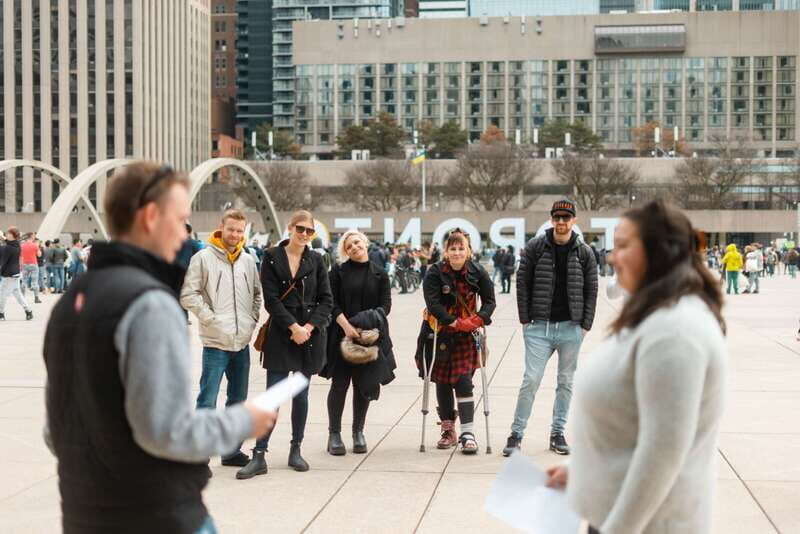
One of the first major stops is Union Station, and it’s a smart choice. Stations have built-in drama: long corridors, grand interiors, and broad public spaces that camera crews can frame quickly. They also look good on film because they feel purposeful even when the story is fictional.
On this tour, you don’t just take a photo of the building. You’re there to connect the screen version to the exact real-life backdrop. That’s why the clip format is the backbone of the experience. You look at a doorway or a hall line, then the tablet shows how it was used.
The main practical thing here is patience. You’re in a busy public place, so you’ll need to be ready for short stops rather than hanging around for long shots. It’s still worthwhile, because Union Station is one of Toronto’s most recognizable set-like locations.
Secret stops: the best part of downtown is the camera angle
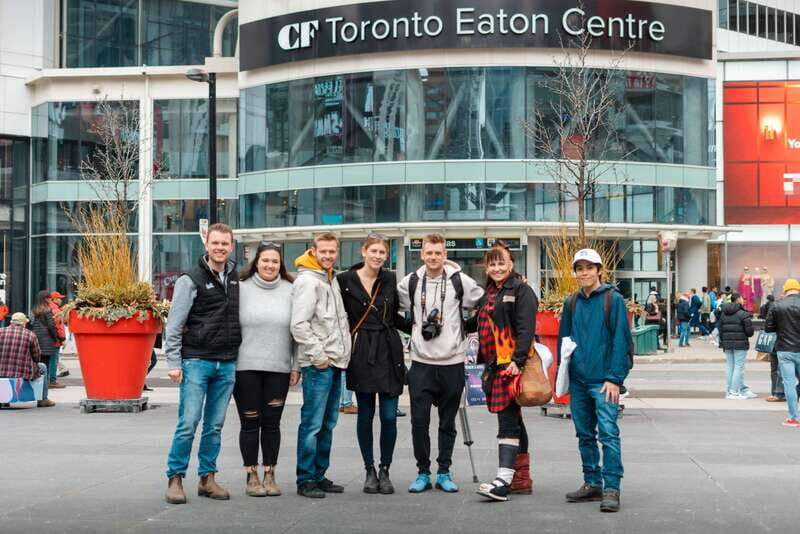
Between the named landmarks, the route includes multiple secret stops where the production tie-in is the real point. The tour doesn’t tell you what they are ahead of time, and I think that’s good. You end up paying attention to details instead of hunting for them.
You’ll get a quick photo stop and guided walk-by moments at each one, so you’ll want your camera ready but not in the way. These stops usually work because the best filming logic is often about a corner, a façade, or a stretch of sidewalk that looks normal until you see the way it’s framed.
If you like walking tours, this pacing keeps it from feeling like a straight line of sightseeing. You’re constantly “resetting” your brain like a director calls a new scene.
A local café stop: why it’s more than a break
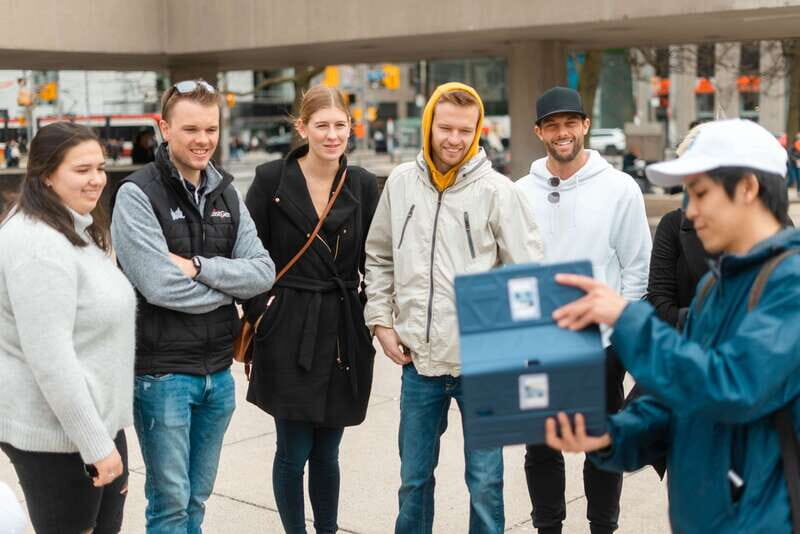
There’s a short local café stop (about 10 minutes) built into the day. Even when you’re not buying anything, it’s useful. It gives you a mental breather so you can reset after a cluster of exterior sights.
More importantly, this is where the guide’s job type shows. When the guide is an actor, director, producer, or film industry professional, the conversation tends to turn practical: how scenes are planned, why certain angles are chosen, and what the crew needs in real time. In other words, the café pause helps you absorb the film talk without feeling like you’re learning in a classroom.
On a hot day, indoor stops can be a lifesaver. The tour includes several opportunities to get out of the sun, and some of those moments may feel like a quiet win when the weather doesn’t cooperate.


Elgin & Winter Garden Theatres: Toronto’s dramatic stage look
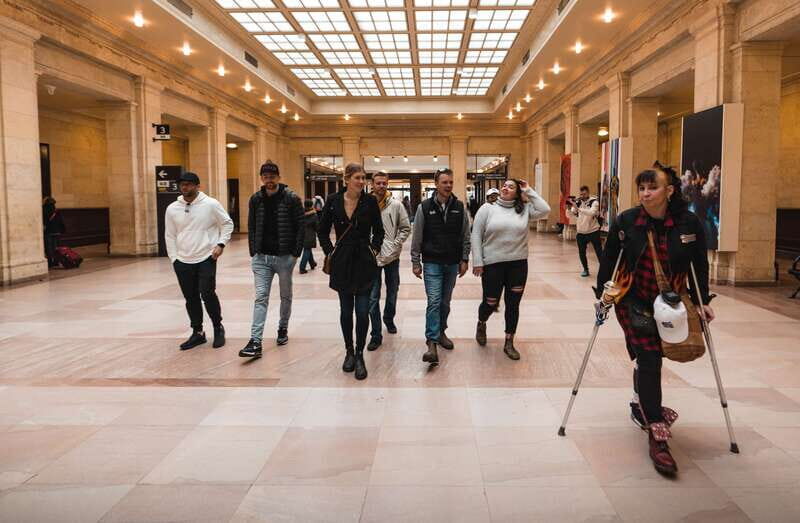
Next up is Elgin & Winter Garden Theatres. The clue here is in the name. Theaters are a natural film set because they already look like story spaces. Even if the scene you’re thinking of isn’t a theater scene, these buildings lend credibility and scale to a moment.
This is where I’d expect the clip-to-reality effect to feel strongest. Your brain understands theaters as entertainment, which makes it easier to connect what you see in real life to what you’re shown on the tablet.
Photo stops here are short, but the value is in the contrast. You see the exterior, then you see how the production used a specific perspective, often making the location feel larger or more cinematic than your eye catches at street level.
Toronto Old City Hall and Toronto City Hall: government buildings as set pieces
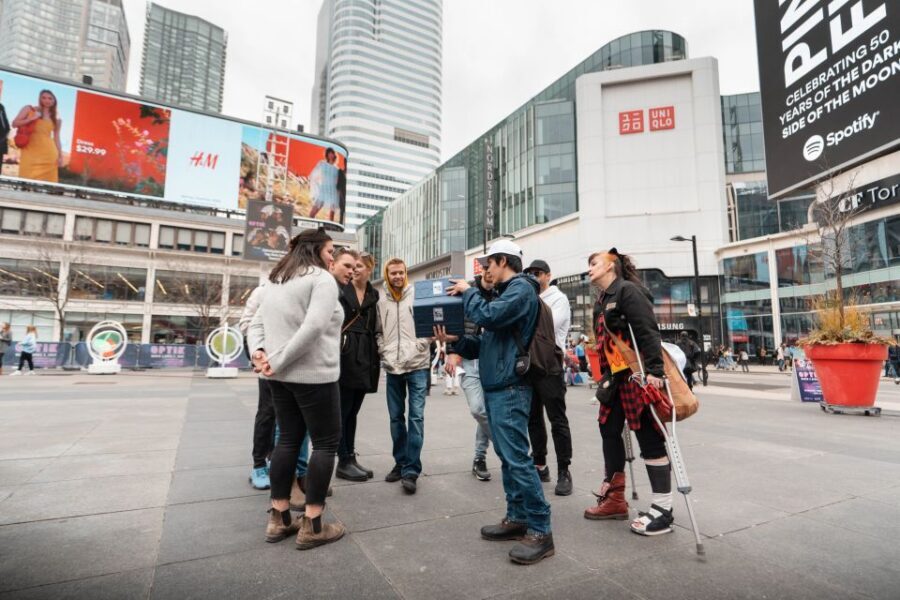
You’ll stop for photos and guidance at both Toronto Old City Hall and Toronto City Hall. City buildings are the kind of architecture filmmakers like for authority, conflict, or character grounding. They also work on screen because the geometry helps framing.
Old versus new is a practical advantage on this tour. It’s not just “cool buildings,” it’s storytelling contrast. You can think about how productions might use the same downtown authority vibe but change the mood using different architectural periods.
These stops include photo moments plus guided tour time and walking segments. In practice, that means you’ll have a chance to ask questions, not just look and move on. If you’re the kind of person who likes explanations behind the shots, these city stops are good places to slow your pace mentally.
Nathan Phillips Square and a 20-minute reset in the open
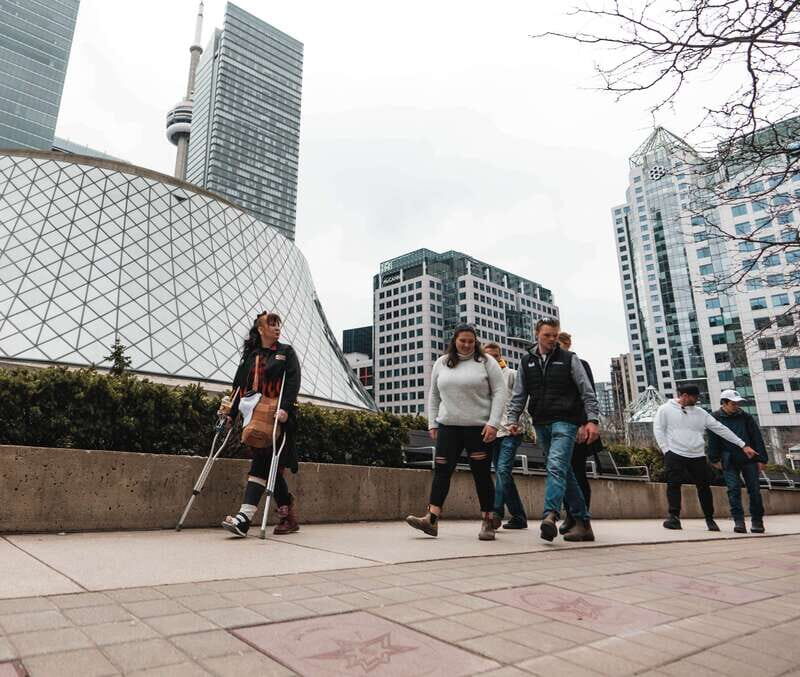
At Nathan Phillips Square, you get a break time (about 20 minutes), which is a big deal on a walking tour. Squares are where Toronto really shows off its civic identity, and this one is particularly well known.
I like that the tour includes a dedicated rest moment. It keeps energy up so you can enjoy the final stretch instead of power-walking through it. It also gives you time to re-check the screen clues in your memory, so when you hit the next locations, it all clicks faster.
Since this is a wide open space, your weather planning matters. Bring sunscreen when it’s bright, or a hat if wind is a thing. You’re outside for a chunk of time, so don’t treat it like an indoor stop.
CN Tower outside: when one skyline becomes many cities
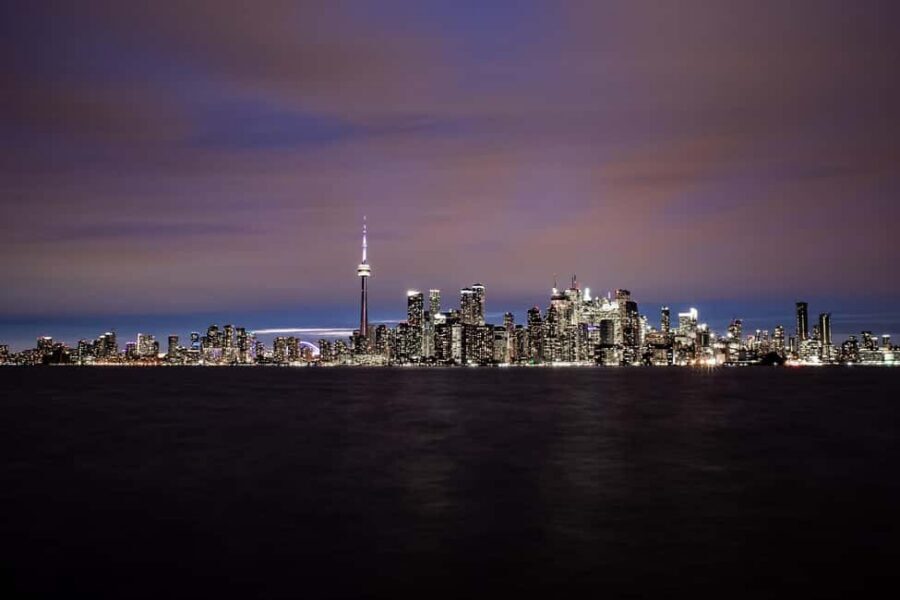
You’ll make a photo stop at the CN Tower (about 5 minutes). It’s fast, but it’s exactly what you want from a landmark like this. The CN Tower is an anchor on Toronto skyline, and productions know that. In many films and shows, it can instantly signal the city without a lot of extra explanation.
Even with a short stop, the clip format helps you see how filmmakers handle scale and perspective. The Tower can be used to establish location quickly, or used as a background element that quietly tells you where the story is set.
The tour also mentions experiencing Toronto’s transformation into cities from around the world. That’s the key idea here. You’re not just seeing Toronto. You’re learning how filmmakers sell elsewhere using Toronto’s recognizable shapes.
Toronto Eaton Centre: the middle of downtown storylines
Next is Toronto Eaton Centre, with guided touring and walking through parts of the complex. This is a good stop for two reasons. First, it gives your legs a change of scenery and often some indoor air cover. Second, it’s the kind of busy, central commercial space where scenes can feel grounded and modern on screen.
This is also a practical learning moment. Not every scene is shot in a perfect empty location. Productions frequently use public spaces, and the whole point is to film around crowds and keep the camera logic consistent.
In the clips you’ll see on the tablet, pay attention to how the space is framed. Even if you don’t know the exact show, you’ll start recognizing common filming strategies: tighter angles, controlled sightlines, and using entrances or corridors as transitions.
Yonge-Dundas Square finish: scene rendition time
The tour ends at Yonge-Dundas Square. This is the kind of finishing point that makes sense for a film experience because it’s instantly recognizable and easy to imagine as a set.
What makes this stop memorable is the idea of scene rendition. You don’t just stand somewhere famous for a picture. You do a little performance based on what you’ve been shown. That’s fun, and it also reinforces the filming concept. When you act out the scene, you understand what the camera needed from you: body position, direction of gaze, and the timing of a moment.
It also caps the tour in a practical way. You finish at a central spot in downtown, which makes it easier to grab your next activity without feeling stranded.
Price and time: why $35 feels fair for what you get
At $35 per person for about 150 minutes, this tour is priced like an accessible walking experience, not a high-end production trip. For that money, you get a local film industry guide plus a structured route through multiple production-friendly landmarks.
Here’s the part that makes it good value: you’re not paying just for sights. You’re paying for the connection between the city and the screen. The clips on a tablet, the film-making context, and the “stand here, now watch” rhythm are what transform the day from sightseeing into a film-location lesson.
Also, the included time matters. Two and a half hours isn’t long enough to drag, but it’s long enough to feel like more than a quick photo hop. You can fit it into a busy Toronto itinerary without giving up half the day.
If you’re the kind of person who likes one-off themed experiences, this is an easy yes. If you only care about general architecture, you might prefer a standard landmark walk instead.
Who should book this Hollywood North tour
This works best if you enjoy any of the following:
- TV and movie fans who like seeing filming locations in real life
- People who want a short lesson on how scenes get shot
- First-time visitors who want downtown Toronto with a theme
- Anyone who likes guided storytelling more than self-guided wandering
It’s also a good fit for all ages, and the tour includes both outdoor and indoor stops. The flow keeps you moving while still giving you time to absorb details.
Two considerations to be realistic:
- It’s not suitable for people with mobility impairments, since it’s a walking tour covering about 3.5 km.
- Some clips include violence and are rated PG-13, so it may not be ideal for younger kids depending on your comfort level.
Should you book this Toronto film and TV tour
If you like movies and you like walking, I think it’s a strong booking choice. The clip-to-location format is the standout. It makes Toronto feel like a living set, not just a city you pass through.
Book it if you want more than generic sightseeing and you enjoy behind-the-scenes explanations from guides who work in the industry. People have highlighted guides such as Winnie, Michael, Jacqueline, and Mike for being engaging and for mixing film knowledge with real city context.
I’d pass if you hate walking, want a mostly indoor tour, or you’re sensitive to PG-13 violent scenes. Otherwise, this is one of the more satisfying ways to see Toronto through the lens of film production.
FAQ
How long is the Toronto Hollywood North Film and TV tour?
It runs for about 150 minutes, which is roughly 2.5 hours.
Where do I meet the guide?
Meet at David Pecaut Square in downtown Toronto, in the courtyard across the street from the Royal Alexandra Theatre on King Street. The guide will be there at the scheduled start time and will have a blue umbrella.
Is it a walking tour, and how far do we walk?
Yes. You should be comfortable walking about 3.5 km (2 miles) during the tour.
Does the tour run in bad weather?
Yes. The tour takes place rain, snow, or shine.
What is included in the price?
You get a guided 2.5-hour walking tour and your personal guide, who is a Toronto local film industry professional.
Is food or transportation included?
No. Food and drinks, as well as transportation, are not included.
Are there any content concerns?
Some clips depict violence and are rated PG-13.