REVIEW · TORONTO
4-Day Canadian Camping Road Trip (“Moose On The Loose”)
Book on Viator →Operated by Lake Fever Wilderness Co. · Bookable on Viator
Moose country, handled for you. This 4-day Toronto-to-the-north camping road trip is built around moose spotting and easy-to-join outdoor days, with a guide who keeps things moving and teaches you how to camp as you go. You’ll roll in an air-conditioned van, get your gear, eat well in the woods, and still have time to slow down and point your camera toward the treeline.
What I really like is how “wildlife first” actually shapes the schedule, especially with Algonquin and other park time where moose are a realistic target. I also like that the trip feels practical, not showy: you get real campsite skills (campfire basics, cooking help, and hiking guidance) rather than a lecture.
One consideration: you should be ready to share a tent if you’re traveling solo (unless you choose the solo-tent option), and this is a do-some-work trip. You’ll be expected to participate in cooking and dishwashing at least once, and pillows are not included.
In This Review
- Key points that make this trip worth your time
- Entering Ontario’s moose zone without the stress
- The road trip rhythm: van days, trail days, camp nights
- Day 1: Huntsville for a simple lakeside lunch, then Algonquin camping basics
- Day 2: Beaver Pond Trail, a canoe on Canoe Lake, and Killbear sunset time
- Day 3: Parry Sound groceries and a brewery lunch, then Killarney wilderness and George Lake
- Day 4: The Crack hike and your final wildlife-camera push
- Camping comfort: what’s included, what’s not, and what you should pack
- Food plan: vegetarian meals, included breakfasts and dinners, and two restaurant lunch breaks
- Wildlife expectations: moose odds, camera habits, and patience
- Guide Damian makes the difference: friendly, practical, and good with newcomers
- Small-group reality: tent sharing, group pace, and working together
- Price and value: what you’re really paying for at $634.83
- Who should book Moose On The Loose?
- Should you book this tour?
- FAQ
- What is the meeting point and start time?
- Is camping gear included?
- Are meals included, and are they vegetarian?
- How much hiking is involved?
- Do you get canoe time?
- Will solo travelers share a tent?
- Is the tour price all-inclusive?
Key points that make this trip worth your time
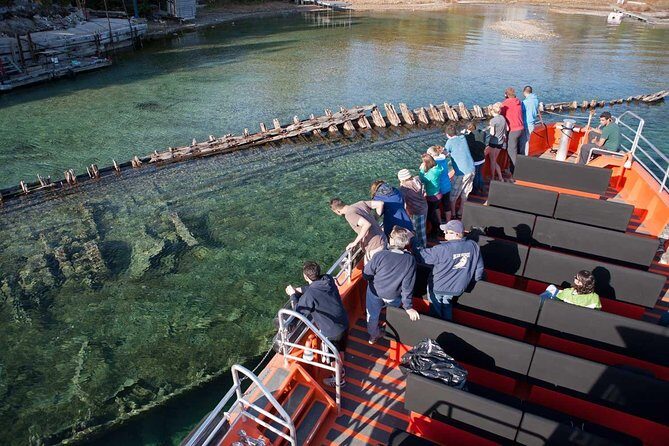
- Moose-focused planning across Ontario parks where spotting is a top goal
- Damian-style guiding, friendly and laid-back, with strong support for first-timers and kids
- Camping gear and park fees covered, so you’re not hunting rentals or tickets
- A mix of hikes and water time, from a short loop trail to a tougher summit day
- Shared-camp energy, including cooking duties, campfire nights, and s’mores (weather permitting)
- Vegetarian meals most of the time, with a couple of restaurant lunch breaks that cost extra
Entering Ontario’s moose zone without the stress
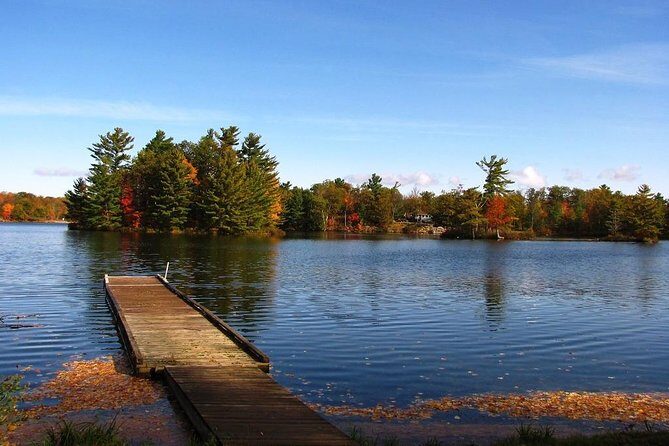
This is the kind of trip that helps you get outside without turning your vacation into a logistics project. You’ll start in Toronto at 8:00 am, then spend four days moving between park areas that are known for wildlife and classic Canadian scenery. The difference here is that you’re not figuring out routes, reservations, or campsite basics on your own.
I also like the small-group size. With a maximum of 13 people, it feels active but not chaotic. That matters for wildlife days, because it’s easier to stay together on trails and at viewpoints when you’re not shepherding a big crowd.
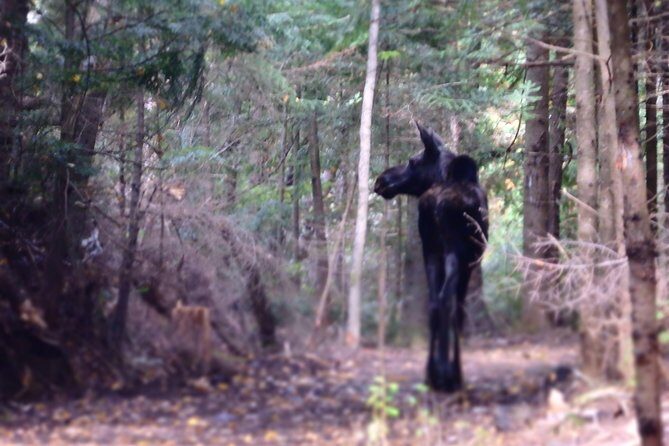
And yes, the moose angle is front and center. The plan is built around the fact that Algonquin Provincial Park is one of the best places in North America for moose spotting, and you’ll be outside at the right times to look (not just driving past scenery).
A few more Toronto tours and experiences worth a look
The road trip rhythm: van days, trail days, camp nights
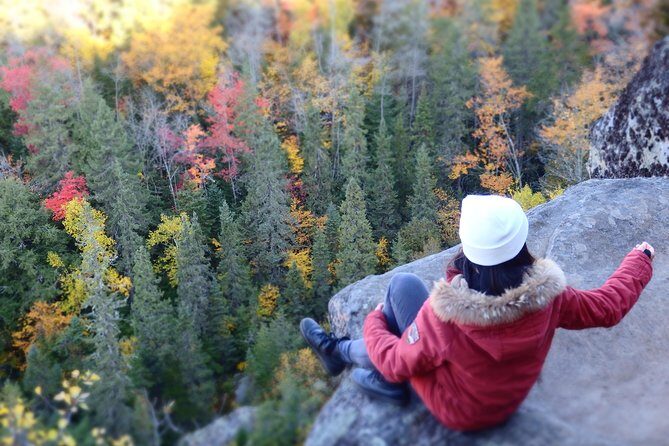
Most of your days follow a pattern: breakfast, a guided hike or nature time, then camping and evening downtime. You travel in an air-conditioned vehicle, which is a big quality-of-life boost when you’re heading north in summer heat.
Because you’re changing scenery frequently, it also helps you avoid the “one place for four days” fatigue. Instead, you’ll cycle through different kinds of outdoor experiences: beach time, boardwalk-like calm on water, and a more challenging hike day to earn those big views.
Timing is built around daylight and weather. Some meal times run late (one evening is described as having a late 8 pm meal), and that’s not a flaw. In camping land, late dinners often mean you were outside when the light was good, and you’ll still get your camp routine afterward.
Day 1: Huntsville for a simple lakeside lunch, then Algonquin camping basics
Your first stop is Huntsville, in the heart of cottage country. You’ll get time for a lakeside lunch break at a restaurant, and if the day is hot, the marina patios are a smart move. If there’s extra time, you can also wander small shops or hop in the lake. Just note: the restaurant lunch on Day 1 isn’t included.
Then you move into Algonquin Provincial Park, which is large enough to feel like you’ve left the planet. When you arrive at camp, you’ll start with a short tent setup demo—exactly the kind of guidance first-timers need. After that, you get time to relax and enjoy the “camp is already the activity” feeling.
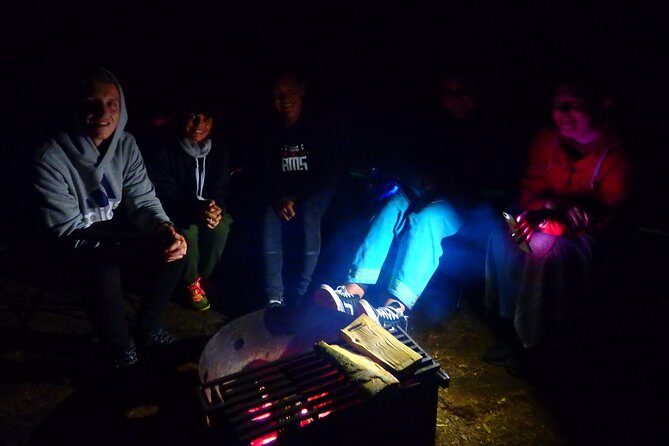
This is also where the trip starts to teach you camping the friendly way. You’ll play beach bocce with a regulation set (camp games are underrated for group bonding), and dinner is prepared for you on your return by the chef and guide. The night ends with campfire time and s’mores training for first-timers, plus chatting around the fire.
For moose-lovers, this first evening is about getting your bearings and keeping your camera ready. Moose don’t show up on a schedule, but you’re learning the routine of looking while staying comfortable.
Day 2: Beaver Pond Trail, a canoe on Canoe Lake, and Killbear sunset time
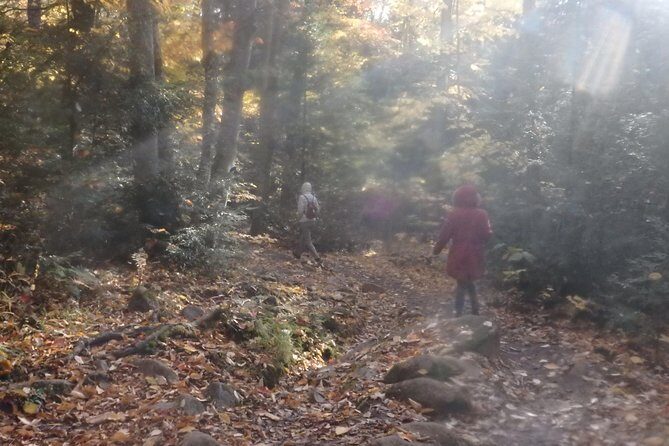
Day 2 starts with a proper morning setup: continental breakfast, coffee, and then a guided hike. Beaver Pond Trail is a 2 km loop that takes about 45 minutes, and it’s a good choice if you want something scenic without a long grind. The big payoff is a huge beaver pond and a lookout, plus the surprise factor of seeing radiant greens and yellows in a woodland habitat.
After that, you head to The Portage Outpost area for canoe time on Canoe Lake. The schedule calls for about two hours on the water, and it’s linked to the famous paintings of Tom Thomson—so it’s not just paddling for movement. It’s a calm break where the main soundtrack is birds calling and the splash of your paddle.
Here’s a practical note: the stop description marks the Portage Outpost admission as not included, but the overall trip includes shared canoe rental. If you want total clarity, ask the provider to confirm what’s covered before you go, especially if you’re trying to budget tightly.
Then the day shifts again to Killbear Provincial Park. You’ll arrive with time to throw together dinner and then get another campfire romp. One of the nicest details is the expectation of a beautiful sunset, even though the meal is late (around 8 pm). That’s the real camping rhythm: nature gets the prime time, food fits around it.
Day 3: Parry Sound groceries and a brewery lunch, then Killarney wilderness and George Lake
Day 3 begins with a practical stop: groceries in Parry Sound. This is where your trip quietly stays sustainable and organized, because it keeps the camp meals working smoothly. After that, there’s a hot lunch at a scenic riverside spot: Trestle Brewing Company. Restaurant lunch on Day 3 is not included, so plan on paying out of pocket.
Then you move to Killarney Provincial Park, where the camping sets the tone for the next phase. The description calls out the park as 645 sq. km of wilderness, and after you set up camp, you switch into beach mode at George Lake.
This is the day for slower energy. A beach day is the perfect counterweight to hiking: you can rinse off the trail dust, stretch out, and enjoy the lake without feeling like you need to earn your rest. You’ll have supper and then bed back in camp.
If you’ve never camped before, this is also where it starts to feel normal. Day 1 was learning the basics; Day 2 was doing nature; Day 3 is enjoying the payoff of a well-run plan.

Day 4: The Crack hike and your final wildlife-camera push
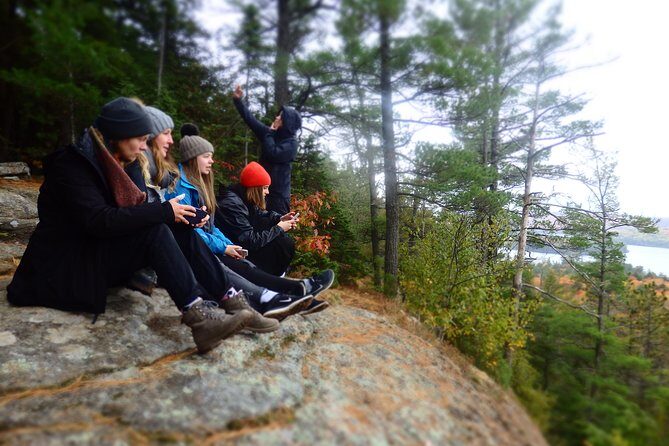
Your last full outdoor moment is The Crack hike in Killarney. It’s described as challenging, and it’s meant for wildlife spotting and peace of mind. Translation: you’ll be working a bit for the view, but you’ll also have plenty of time to look around and breathe.
The hike is about 4 hours, and the big reward is a panoramic view of the skyline from the top. The schedule also notes that The Crack may be substituted with another similar hike. That’s normal in wilderness planning—trail conditions and weather can shape what the guide selects.
This final day is a good test of the trip’s fit. The tour says you should have moderate physical fitness, and The Crack is where that actually matters. If you can handle a steep, steady climb for a few hours, you’ll be in good shape. If not, ask in advance how substitutions usually work and whether you can choose an easier alternative.
Also, keep your camera ready. Moose and other wildlife are a consistent theme across the parks, and the best photos often happen when you stop chasing and start watching.
Camping comfort: what’s included, what’s not, and what you should pack
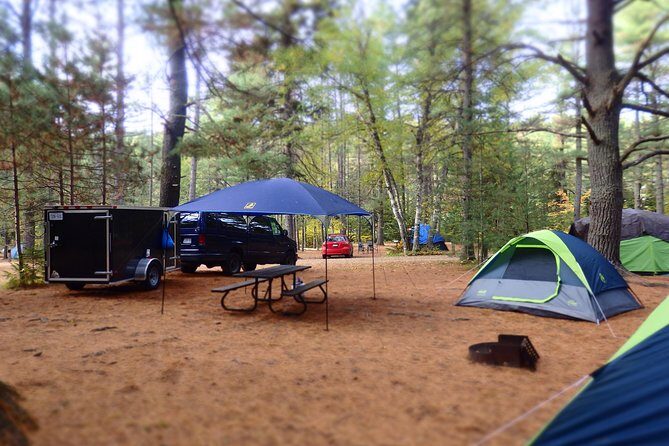
The big value point is gear. Tent, sleeping bag, and sleeping pad are all rented and included. That single detail removes a ton of friction for people who want to camp but don’t have equipment or don’t want to spend money on it.
What’s not included: pillows. That’s the most obvious missing item, and it matters because sleeping on your backpack or a rolled towel can get old fast. Bring a pillow you’re comfortable with, and you’ll thank yourself later.
You’ll also need to bring your own snacks, because snacks aren’t included. Meals are covered (more on that next), but extra bites for long hikes or late stargazing nights are on you.
Air-conditioned vehicle rides help keep your energy up, but you’re still sleeping in tents and outside. Dress for temperature swings. Even in summer camping, evenings can feel different once you’re away from the city.
Food plan: vegetarian meals, included breakfasts and dinners, and two restaurant lunch breaks
Meal details are one of the most “lived-in” parts of this trip. The tour runs on vegetarian meals for all non-restaurant times, and the schedule calls out multiple breakfasts, lunches, and dinners as included. Restaurant lunches on Day 1 and Day 3 are not included, so those are your out-of-pocket meals.
You’ll also get campfire food moments: s’mores are included by campfire when weather permits. Stargazing is also included when the conditions allow it.
Cooking is part of the experience. You’re expected to participate in campsite cooking and dishwashing at least once. The good news is that this isn’t thrown at you randomly; it’s framed as learning camping tips and tricks, and the guide helps you get it right.
One more detail that makes this plan feel fair: group dinners aren’t just “microwave time.” The trip includes dinners and campfire time, and the vibe is that you’re sharing the workload so everyone gets to enjoy the outdoors.
Wildlife expectations: moose odds, camera habits, and patience
Moose spotting is the reason many people pick this itinerary, and Algonquin is called out as a top region for it. That means you’ll be spending meaningful time in areas where the chance of seeing moose is real, rather than doing a token wildlife stop.
Keep your camera at the ready. That advice might sound obvious, but the way this tour is structured makes it practical. You hike, you paddle, you sit around camp, and you watch the edges of the forest instead of only staring at the big open views.
Be honest about your expectations. Even with good planning, moose are wild animals, not a scheduled event. What you can control is your willingness to look often and to slow down when the guide points something out.
Also, the trip includes campfire chatting and stargazing (when permitted). Those quieter moments are often when you’ll notice other wildlife activity too—less about a dramatic photograph and more about the feeling that the whole place is alive.
Guide Damian makes the difference: friendly, practical, and good with newcomers
A name keeps showing up in the best feedback: Damian. People describe his approach as friendly, informative, and laid-back. He also gets highlighted for being especially good with kids, answering questions and keeping the trip upbeat without turning it into a hard sell.
For first-time campers, this matters. Tents, cookware, camp routines, and trail pacing can feel intimidating if you’re not used to it. A guide who supports you through the basics makes the whole experience more than a scenic road trip.
Damian’s style also shows up in how people feel looked after when weather gets weird. One group specifically mentioned experiencing a thunderstorm, and the trip still felt organized. That’s what you want in a camping tour: not a perfect forecast, but confidence that the plan adapts.
And there’s an eco-friendly angle. The feedback notes proper recycling practices, which is the kind of detail that makes the trip feel responsible rather than careless.
Small-group reality: tent sharing, group pace, and working together
This tour caps at 13 travelers, which creates a more “you can actually talk to people” vibe. That also means group pace is manageable; you’ll rarely feel like you’re sprinting to keep up.
Tent sharing is a key reality check. Unless you select a solo tent package, solo guests are paired with one other person to share a 4-person tent. Pairings are made on the basis of sex, and couples and families are placed together automatically.
If you’re traveling solo and you want privacy, don’t ignore this. You can enjoy the outdoors and still need your own space, especially for sleep.
Also remember the trip is participatory. Cooking and dishwashing aren’t optional decorations; they’re part of how the group eats and keeps the campsite running. The upside is that you’ll learn a few basics along the way instead of feeling like a passenger.
Price and value: what you’re really paying for at $634.83
At $634.83 per person, this is not a budget micro-trip, but it also isn’t a bare-bones camping weekend. The value comes from bundling: air-conditioned transport, tent and bedding rentals, park entry and camping fees, at least three guided hikes, and shared canoe rental.
On top of that, your included meals are a big portion of the cost. You get three breakfasts, three dinners, and two included lunches, plus s’mores by campfire (weather permitting). That cuts down the temptation to spend every day hunting food and paying convenience-store prices in remote areas.
The big exclusions to budget for are also clear: restaurant lunches on Day 1 and Day 3, snacks, tips, and pillows. If you already own camping bedding and you love DIY planning, you might spend less on your own. But if you want the outdoors experience without the shopping, reservations, and route work, the package price starts to make sense fast.
The average booking lead time is about 92 days, which suggests this fills up. If your dates are fixed, waiting too long could cost you your preferred slot.
Who should book Moose On The Loose?
This is a strong match for you if:
- You want an organized camping trip with gear and park fees handled
- You like hiking but don’t want to plan trails, paddling, and camp setup alone
- You care about moose spotting and want the schedule to support it
- You’re okay with vegetarian meals most of the time and helping with cooking once
You might want to look elsewhere if:
- You need a private tent by default
- You hate doing any campsite work like dishwashing
- You expect all meals to be restaurant-style
- You’re not up for moderate hikes, especially The Crack on Day 4
Should you book this tour?
Yes, if your goal is a guided Canadian camping road trip with real wildlife time, canoe peace, and a guide-led learning curve that helps you camp without guesswork. The moose-focused planning, Damien’s supportive style, and the fact that so much is bundled (gear, parks, meals, guided hikes) are the main reasons this one is worth your attention.
Book it with eyes open if shared tenting and communal responsibilities are not your thing. If those are workable for you, Moose On The Loose is a solid way to experience Ontario outdoors while still feeling taken care of.
FAQ
What is the meeting point and start time?
The meeting point is 2280 Dundas St W, Toronto, ON M6R 3B5, Canada, and the start time is 8:00 am.
Is camping gear included?
Yes. The tour includes a tent, sleeping bag, and sleeping pad rental.
Are meals included, and are they vegetarian?
Breakfast and dinners are included, and meals (except restaurant meals) are vegetarian. Restaurant lunches on Day 1 and Day 3 are not included. Snacks are also not included.
How much hiking is involved?
You should have a moderate physical fitness level. The itinerary includes guided hikes, including a 45-minute loop trail and a 4-hour challenging hike on Day 4 called The Crack (or a similar hike).
Do you get canoe time?
Yes. You’ll have canoe time on Canoe Lake, with shared canoe rental included in the overall package.
Will solo travelers share a tent?
Unless you select the solo tent package, solo guests are paired with one other person to share a 4-person tent. Pairings are made on the basis of sex, and couples and families are placed together.
Is the tour price all-inclusive?
The price includes park entry and camping fees, transport, tent and bedding rentals, guided hikes, canoe rental, and included meals (breakfast, dinner, and two lunches). It does not include restaurant lunches on Day 1 and Day 3, snacks, tips, or pillows.